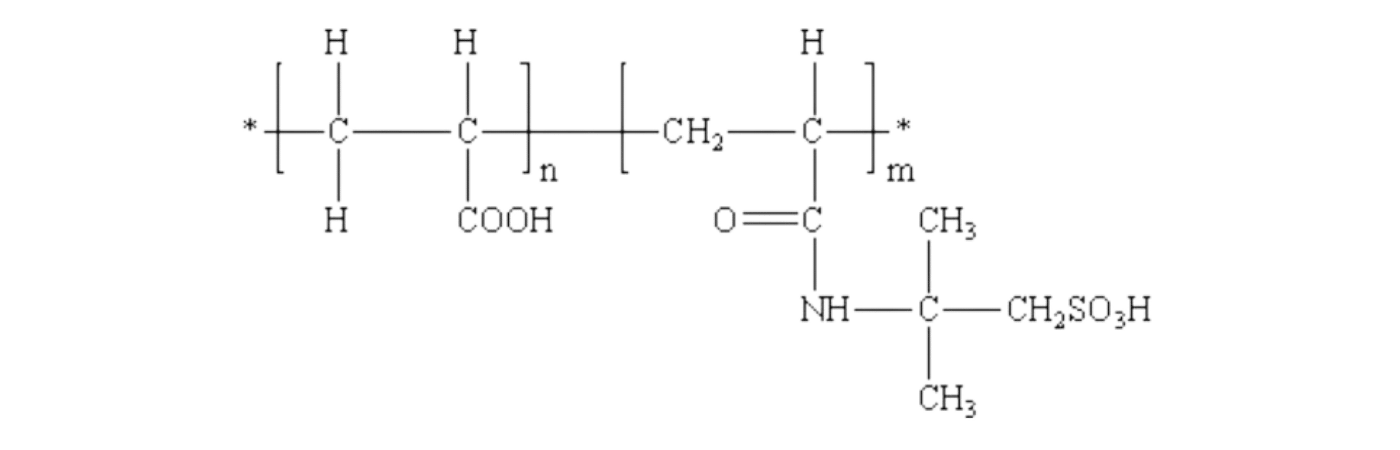
PAA is polyacrylic acid (CAS 9003-01-4), the acid-form acrylic-polymer route. This page's reference table describes 30% and 50% minimum-solids liquids; the 63% option in the catalog name needs its own current specification. Compare solids, free monomer, viscosity and neutralization state with the proposed dispersion or deposit-control task. PAA is different from sodium polyacrylate; changing product concentration changes the supplied-product mass basis. PAAS is sodium polyacrylate (CAS 9003-04-7), the sodium-salt acrylic-polymer route. The reference table describes liquid variants at minimum 30%, 45% and 50% solids, with different density and free-monomer limits. The 92% option in the catalog name requires a separate specification. Distinguish the supplied form from PAA acid and compare on the same solids basis; evaluate deposition and formulation compatibility in the actual receiving water.
Frequently asked questions
What does the catalog specify?
PAA is polyacrylic acid (CAS 9003-01-4), the acid-form acrylic-polymer route. This page's reference table describes 30% and 50% minimum-solids liquids; the 63% option in the catalog name needs its own current specification. Compare solids, free monomer, viscosity and neutralization state with the proposed dispersion or deposit-control task. PAA is different from sodium polyacrylate; changing product concentration changes the supplied-product mass basis. PAAS is sodium polyacrylate (CAS 9003-04-7), the sodium-salt acrylic-polymer route. The reference table describes liquid variants at minimum 30%, 45% and 50% solids, with different density and free-monomer limits. The 92% option in the catalog name requires a separate specification. Distinguish the supplied form from PAA acid and compare on the same solids basis; evaluate deposition and formulation compatibility in the actual receiving water.
What should the trial compare?
Keep feed water, concentration factor, pH, temperature, oxidant exposure, mixing and residence time representative. Compare dissolved and deposited mineral, suspended material, filtration and operating trends. Verify metal corrosion and long-term membrane compatibility as separate endpoints when they are relevant to the application.
What should I send for a quotation?
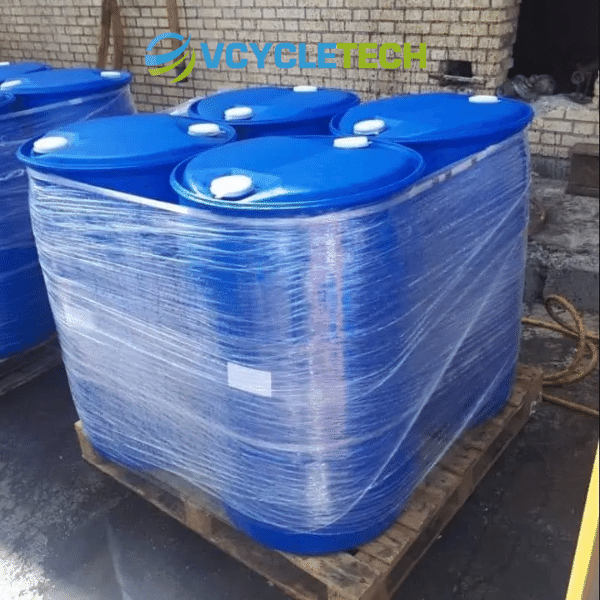
Send the product or model, required specification, quantity, packaging and destination. Include the application and current product, if known. Confirm the available TDS, SDS, batch documents, storage conditions and commercial delivery terms for the actual offer.