Product Details

Facebook
LinkedIn

Acrylic Acid/Acrylate/Phosphonic Acid/Sulfosalt Tetra-copolymer (WT-241)

TL;DR Start with deposit-control polymer selection and scale versus suspended or deposited solids. Compare the proposed grade specification and supply requirements before requesting a quotation.

Acrylic Acid/Acrylate/Phosphonic Acid/Sulfosalt Tetra-copolymer (WT-241) — Discuss Acrylic Acid/Acrylate/Phosphonic Acid/Sulfosalt Tetra-copolymer (WT-241) for deposit-control polymer selection. Start with scale versus suspended or deposited solids and water analysis, ph and operating temperatures. Check the offered grade specification and include the intended application when requesting a quotation.

For a Acrylic Acid/Acrylate/Phosphonic Acid/Sulfosalt Tetra-copolymer (WT-241) enquiry, include scale versus suspended or deposited solids and water analysis, ph and operating temperatures, together with the current treatment or formulation. Use the offered grade documents and a representative comparison to decide the next step.

Discuss the grade and application

For Acrylic Acid/Acrylate/Phosphonic Acid/Sulfosalt Tetra-copolymer (WT-241), start with deposit-control polymer selection.

Selection inputs

  • Scale versus suspended or deposited solids
  • Water analysis, pH and operating temperatures
  • Current treatment and oxidant exposure
  • Representative deposit and dispersancy test

Documents and supply

Identify the proposed grade, required quantity, packaging and destination. Ask which specification, TDS, SDS and batch-document options apply to that offer.

Technical documents · Company certificate scopes

Request a quote

WT-241 is an acrylic acid/acrylate/phosphonic acid/sulfosalt tetra-copolymer that has a wide range of applications. It is used as a scale inhibitor in water treatment, providing excellent performance against calcium phosphate and calcium carbonate scales. It also has corrosion inhibition properties and can be used to improve the efficiency of other water treatment chemicals. Additionally, WT-241 can be used as a dispersant for organic and inorganic particles, helping to keep them suspended in water.

Product Description

Properties:

WT-241 is a copolymer of carboxylic, hydroxylic, and sulfonic acid groups, which helps to effectively inhibit the formation of calcium phosphate and calcium carbonate scales. When used in circulating cool water systems with organophosphates, WT-241 demonstrates strong synergic effects with other agents that help boost its scale inhibition performance. This versatile and reliable chemical compound is ideal for professional and meticulous applications in your industry.

Specification:

ItemsIndex
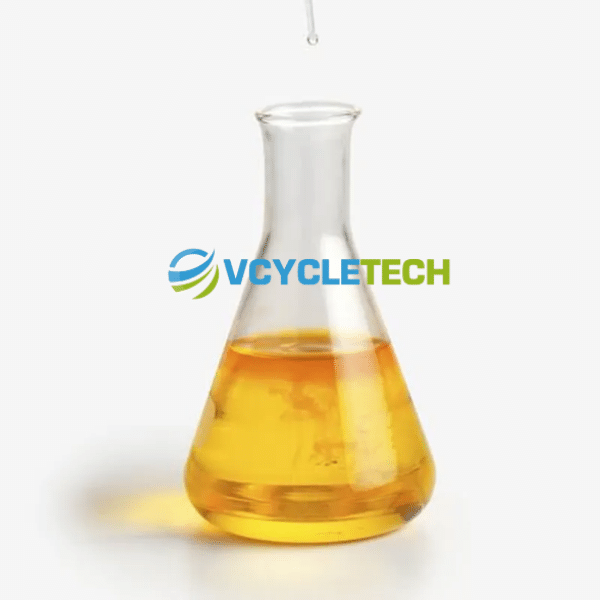
AppearancePale yellow transparent liquid
Solid content, %35.0 min
Free monomer (as AA), %0.5 max
Density (20℃), g/cm31.1~1.2
pH(1% water solution)3.0~5.0

Package and Storage:

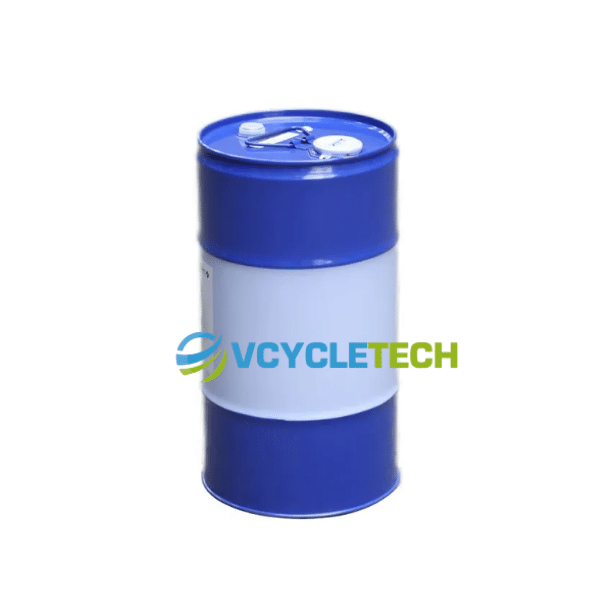
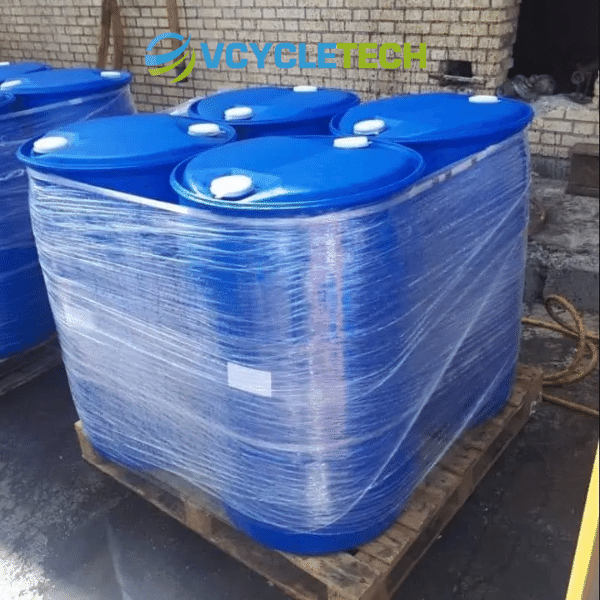
The product comes in 200L plastic drums or IBCs (1000L) and can be customized to meet customer requirements. For optimal shelf life, store it in a dry, shady area for up to one year.

Related products

Consult Us Now for Water Treatment Chemical Solutions

We’re Always Here To support

We’re Always Here To support

Request a quote

WT-241 — Frequently Asked Questions (FAQ)

What is Phosphino/Sulfonate Tetra-Copolymer (WT-241) used for?

WT-241 is a multi-functional phosphino/sulfonate tetra-copolymer scale inhibitor and dispersant with excellent calcium tolerance and strong iron, zinc and phosphate stabilization for demanding cooling water.

What is the recommended dosage of WT-241?

Phosphino/Sulfonate Tetra-Copolymer (WT-241) is typically dosed at 5–20 ppm. The exact dose depends on water quality, temperature and the overall treatment program — VCYCLETECH provides a tailored dosing recommendation.

What should I include in a Acrylic Acid/Acrylate/Phosphonic Acid/Sulfosalt Tetra-copolymer (WT-241) enquiry?

For deposit-control polymer selection, include scale versus suspended or deposited solids; water analysis, ph and operating temperatures; current treatment and oxidant exposure; representative deposit and dispersancy test. State the proposed grade or specification, quantity, packaging and destination so the product and commercial requirements can be compared.
Scroll to Top
Request a quote