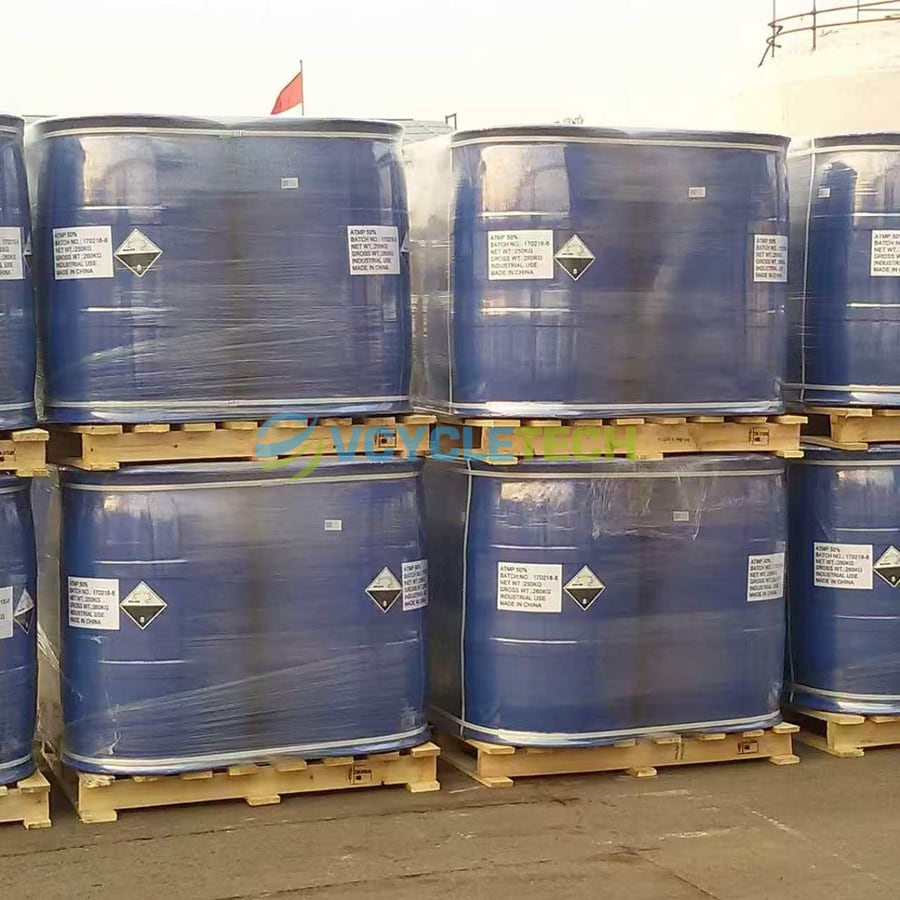
Phosphonates Antiscalant & Corrosion Inhibitor

TL;DR Compare phosphonate acids by the proposed formulation, scale species, water analysis and other treatment ingredients. ATMP, HEDP and PBTC are separate chemical identities; a similar product name is not a basis for treating them as interchangeable.

Compare Phosphonates Antiscalant & Corrosion Inhibitor with the treatment objective and operating conditions of your water or process system. Include the industry, water characteristics, current treatment, target, required quantity, packaging and destination in your enquiry so the relevant available grades can be identified and quoted.

Compare the product family

Compare phosphonate acids by the proposed formulation, scale species, water analysis and other treatment ingredients. ATMP, HEDP and PBTC are separate chemical identities; a similar product name is not a basis for treating them as interchangeable.

Selection inputs

  • Water analysis and scale/deposit identity
  • Acid or salt identity and required active basis
  • Existing oxidant and inhibitor program
  • Proposed formulation and representative trial

Documents and supply

Identify the proposed grade, required quantity, packaging and destination. Ask which specification, TDS, SDS and batch-document options apply to that offer.

Technical documents · Company certificate scopes

Request a quote

Contact vcycletech for professional assistance

Request a quote

Phosphonates are a type of specialty chemical that serve as powerful antiscalants and corrosion inhibitors. They are used in various industrial applications, ranging from water treatment to oil and gas production. When applied to water systems, phosphonates help reduce scale buildup on equipment and pipes, reduce the corrosive effects of oxygen on stainless steel surfaces, and prevent pipe and equipment breakdowns due to oxidation or scaling. Additionally, they can improve the performance of water treatment chemicals such as chlorine and other disinfectants. As a result, their use is increasing in industrial settings where the need for clean water is critical.

Showing 1–15 of 15 results

No products match your search.

Contact vcycletech for water treatment chemical solutions

Define mixed-water risk before selecting an antiscalant route

Product identity does not establish compatibility for a new injection-water blend. Analyze each source, model the full ratio range, locate first commingling and verify selected conditions with static and, where needed, dynamic evidence before choosing an inhibitor or feed point.

Evidence for a mixed-water antiscalant inquiry
Source evidenceOperating mapVerification
Separate ions, pH/alkalinity, salinity, iron, solids, gases and sample stateRatio range, flow, temperature, pressure, tanks, lines, wellhead and downhole contactModel assumptions, static controls, precipitate/filter response, dynamic or field stop conditions

Start with the mixed-source compatibility guide and the Oilfield Water Treatment application. Product pages remain identity paths until current documents and representative tests support the actual water. Share the separate source analyses and mixing map.

📘 New: Water Treatment Chemicals — The Complete Guide (types, selection & dosage) →

Frequently Asked Questions (FAQ)

What are phosphonate antiscalants used for?

Phosphonates prevent scale and corrosion in water systems by chelating (sequestering) calcium, magnesium, iron and other metal ions so they cannot form carbonate, sulfate or phosphate scale. They are the backbone of cooling-water, boiler, reverse-osmosis and oilfield treatment programs and also serve as chelating agents in cleaning, textile and detergent applications.

Which phosphonate is best — ATMP, HEDP or PBTC?

ATMP is cost-effective with excellent threshold scale inhibition; HEDP performs better at high temperature and resists chlorine; PBTC offers the highest chemical and chlorine stability for high-temperature, high-pH, high-hardness cooling water. DTPMP gives the strongest chelation. They are often blended for a broader treatment range — VCYCLETECH can recommend the right one or a custom blend.

What is the typical phosphonate dosage in cooling water?

Most phosphonate scale inhibitors are dosed at about 1–15 ppm (mg/L) in circulating cooling water, depending on water hardness, temperature and the overall program. For corrosion inhibition they are usually combined with zinc salts, polyphosphates or copolymers.

What should I include in a Phosphonates Antiscalant & Corrosion Inhibitor enquiry?

For scale-inhibitor and formulation selection, include water analysis and scale/deposit identity; acid or salt identity and required active basis; existing oxidant and inhibitor program; proposed formulation and representative trial. State the proposed grade or specification, quantity, packaging and destination so the product and commercial requirements can be compared.
Scroll to Top
Request a quote