
Compare the application
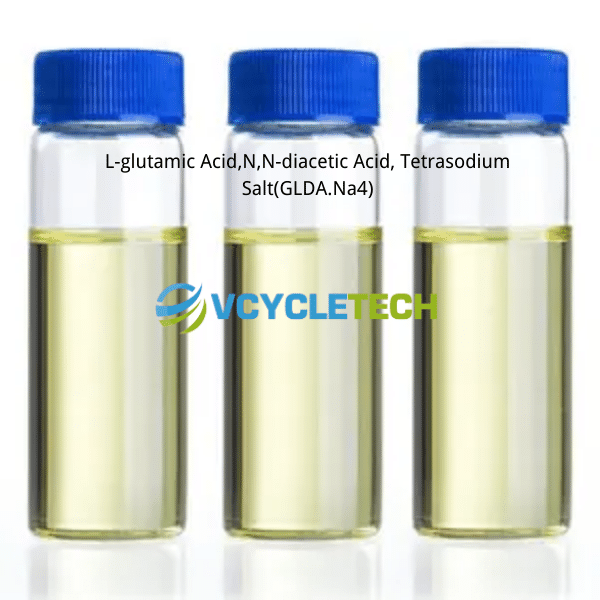
GLDA identifies a chelating-agent route. The catalog identifies GLDA-Na4 solution with content≥47%, pH≥8.5 and density≥1.20g/cm³ at20°C. GLDA is an aminocarboxylate chelant, not a phosphonate. Match the actual metal-ion task, water hardness, other ingredients and supplied concentration before comparing it with MGDA or another chelant.
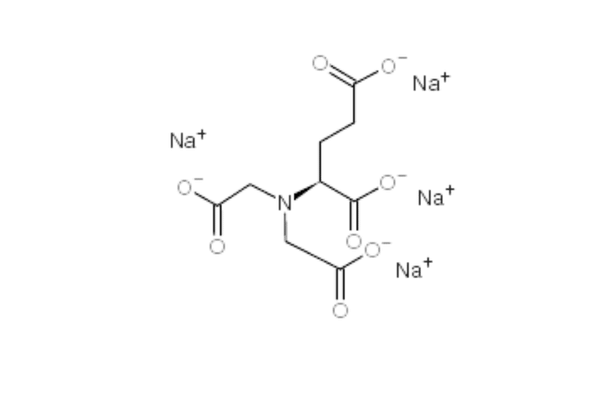
Catalog reference specifications
These are published catalog references, not a current batch COA. Match the offered grade and measurement basis before comparing offers.
| Items | GLDA-Na4 solution |
|---|---|
| Appearance | Light yellow viscous liquid |
| Content /% | ≥47 |
| pH value | ≥8.5 |
| Density(20℃) g/cm3 | ≥1.20 |
Catalog reference specifications · Prepare a quotation
Frequently asked questions
What does the catalog specify?
GLDA identifies a chelating-agent route. The catalog identifies GLDA-Na4 solution with content≥47%, pH≥8.5 and density≥1.20g/cm³ at20°C. GLDA is an aminocarboxylate chelant, not a phosphonate. Match the actual metal-ion task, water hardness, other ingredients and supplied concentration before comparing it with MGDA or another chelant.
What should the trial compare?
This is an aminocarboxylate-chelant route, distinct from phosphonates. Compare the exact sodium-salt identity, supplied active basis, metal-ion load and finished formulation rather than treating chelant names as interchangeable.
What should I send for a quotation?
Send the product or model, required specification, quantity, packaging and destination. Include the application and current product, if known. Confirm the available TDS, SDS, batch documents, storage conditions and commercial delivery terms for the actual offer.



Related products
-
Phosphonates Antiscalant & Corrosion Inhibitor
Sodium Salt of Triethylene-tetramine Hexmethanephonic Acid (TETHMP)
Read more -
Phosphonates Antiscalant & Corrosion Inhibitor
Aminoethyl ethanolamine tri(methylene phosphonic acid)(AEEA Phosphonate)
Read more -
Phosphonates Antiscalant & Corrosion Inhibitor
Polyamino Polyether Methylene Phosphonic Acid(PAPEMP)
Read more


