
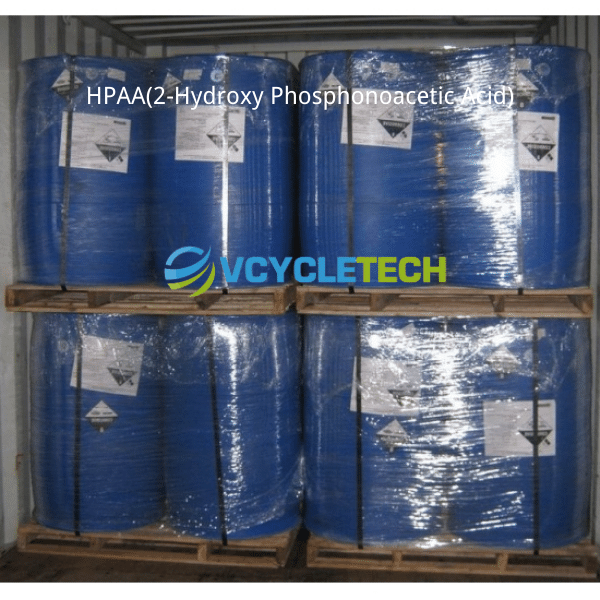
Product Details

Facebook
LinkedIn
Reddit

HPAA(2-Hydroxy Phosphonoacetic Acid)

TL;DR HPAA(2-Hydroxy Phosphonoacetic Acid): explore its role, applications, selection factors and related options for industrial water and process treatment.

HPAA (2-Hydroxyphosphonoacetic Acid) — HPAA is mainly used as a corrosion inhibitor in circulating cooling water, particularly for carbon steel and copper alloys, performing well at high temperature with good scale inhibition and chlorine resistance.

Compare HPAA(2-Hydroxy Phosphonoacetic Acid) with the treatment objective and operating conditions of your water or process system. Include the industry, water characteristics, current treatment, target, required quantity, packaging and destination in your enquiry so the relevant available grades can be identified and quoted.

Product Description

CAS No. 23783-26-8

Molecular Formula: C2H5O6P

Molecular weight: 156

Structural Formula:
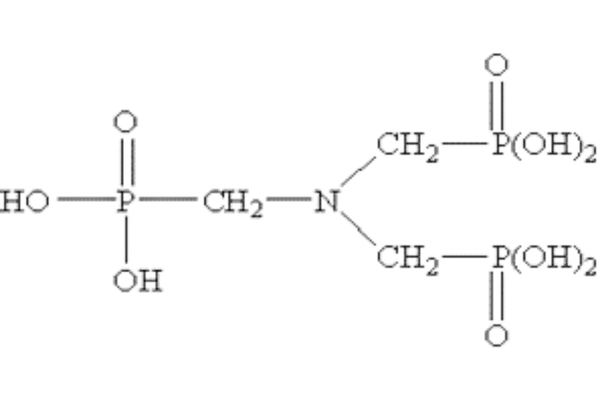
2-Hydroxy Phosphonoacetic Acid (HPAA)

HPAA Properties:

HPAA is a highly effective and reliable chemical compound with many beneficial properties. It is chemically stable, meaning it is not easily broken down by acids or bases, making it safe for human use with no toxicity or pollutants. In addition, HPAA has superior zinc solubility and corrosion-inhibiting abilities that are five to eight times better than HEDP and EDTMP. When combined with low molecular polymers, the corrosion-inhibiting effect of HPAA can be significantly improved. All this makes HPAA an ideal choice for industrial applications requiring increased safety and efficacy.

HPAA Specification:

ItemsIndex
AppearanceDark umber liquid
Solid content %50.0 min
Total phosphonic acid(as PO43-)%25.0 min
Phosphoric acid  (as PO43- )%1.5 max
Density (20℃) g/cm31.30 min
pH(1% water solution)3.0 max

Usage:

HPAA is a versatile and reliable compound, making it ideal for cathode corrosion inhibitors in oilfield refill water systems. It has been popularly used in industries such as steel & iron, petrochemical, power plant, and medical fields with superior efficacy. When combined with zinc salt, the corrosion protection effect of HPAA can be significantly enhanced, making it an even more attractive option for these areas.

Package and Storage:

200L plastic drum,IBC(1000L),customers’ requirement. Storage for one year in shady room and dry place.

Get the Complete Phosphonates Antiscalant & Corrosion Inhibitor solution

Related products

Consult Us Now for Water Treatment Chemical Solutions

We’re Always Here To support

We’re Always Here To support

Contact Form 询盘表单

HPAA Applications

HPAA is mainly a corrosion inhibitor for carbon steel and copper alloys, performing well at high temperature with good scale inhibition and chlorine resistance.

  • Circulating cooling water — corrosion control
  • High-temperature cooling systems
  • Combined scale-and-corrosion programs

Dosage & Feed Guidance

ApplicationTypical dosage
Cooling water (corrosion)2–15 ppm (mg/L)

HPAA is frequently combined with zinc salts or polymers to build a complete corrosion and scale program. VCYCLETECH provides a tailored dosing program on request — email sales@vcycletech.com.

Find the right product for your application

Compare HPAA(2-Hydroxy Phosphonoacetic Acid) with the treatment objective and operating conditions of your water or process system. Include the industry, water characteristics, current treatment, target, required quantity, packaging and destination in your enquiry so the relevant available grades can be identified and quoted.

Discuss your application and request a quote →

HPAA — Frequently Asked Questions (FAQ)

What is HPAA (2-Hydroxyphosphonoacetic Acid) used for?

HPAA is mainly used as a corrosion inhibitor in circulating cooling water, particularly for carbon steel and copper alloys. It performs well at high temperature and provides good scale inhibition and chlorine resistance.

What is the recommended dosage of HPAA?

HPAA is generally dosed at 2–15 ppm in cooling water and is frequently combined with zinc salts or polymers to build a complete corrosion and scale program.

Find the right product for your application

To narrow the available grades, share the industry, water or process conditions, treatment objective, current program, required quantity, packaging and destination. Representative sample results are helpful when performance depends on site water chemistry.

Related guide: Cooling Tower Water Treatment: Chemicals & Dosage Guide

Related guide: Cooling Tower Water Treatment: Chemicals & Dosage Guide

Scroll to Top
Contact Form 询盘表单