
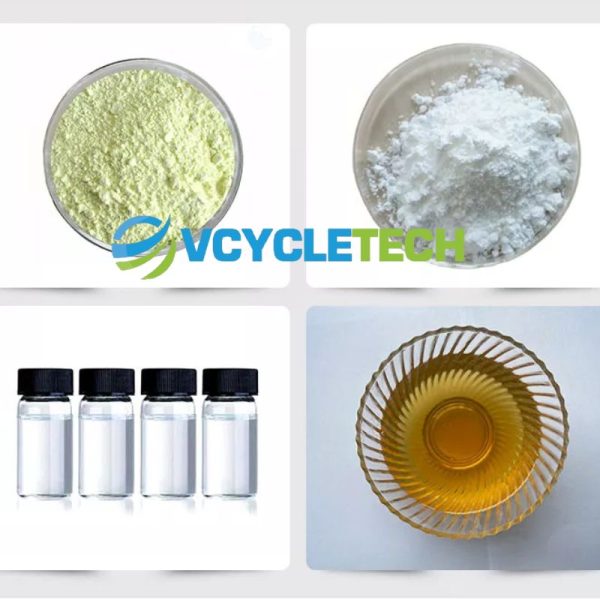
Product Details

Facebook
LinkedIn

Sodium Salt of Triethylene-tetramine Hexmethanephonic Acid (TETHMP)

TL;DR Start with scale-inhibitor and formulation selection and water analysis and scale/deposit identity. Compare the proposed grade specification and supply requirements before requesting a quotation.

Sodium Salt of Triethylene-tetramine Hexmethanephonic Acid (TETHMP) — Discuss Sodium Salt of Triethylene-tetramine Hexmethanephonic Acid (TETHMP) for scale-inhibitor and formulation selection. Start with water analysis and scale/deposit identity and acid or salt identity and required active basis. Check the offered grade specification and include the intended application when requesting a quotation.

For a Sodium Salt of Triethylene-tetramine Hexmethanephonic Acid (TETHMP) enquiry, include water analysis and scale/deposit identity and acid or salt identity and required active basis, together with the current treatment or formulation. Use the offered grade documents and a representative comparison to decide the next step.

Discuss the grade and application

For Sodium Salt of Triethylene-tetramine Hexmethanephonic Acid (TETHMP), start with scale-inhibitor and formulation selection.

Selection inputs

  • Water analysis and scale/deposit identity
  • Acid or salt identity and required active basis
  • Existing oxidant and inhibitor program
  • Proposed formulation and representative trial

Documents and supply

Identify the proposed grade, required quantity, packaging and destination. Ask which specification, TDS, SDS and batch-document options apply to that offer.

Technical documents · Company certificate scopes

Request a quote

Product Description

Molecular Formula: C12H24O18N4P6Na12

Molecular weight: 974

Structural Formula:
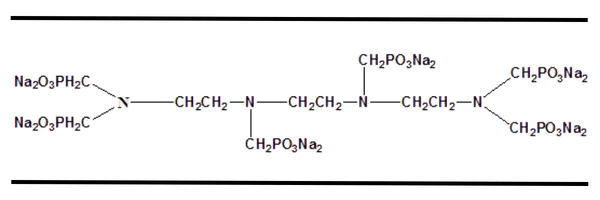
Sodium Salt of Triethylene-tetramine Hexmethanephonic Acid (TETHMP)

Introduction

Water treatment is a critical aspect of maintaining proper health and safety levels in both public and industrial settings. Sodium Salt of Triethylene-tetramine Hexmethanephonic Acid, or TETHMP, is an essential chemical agent in the effective treatment of water across various industries.
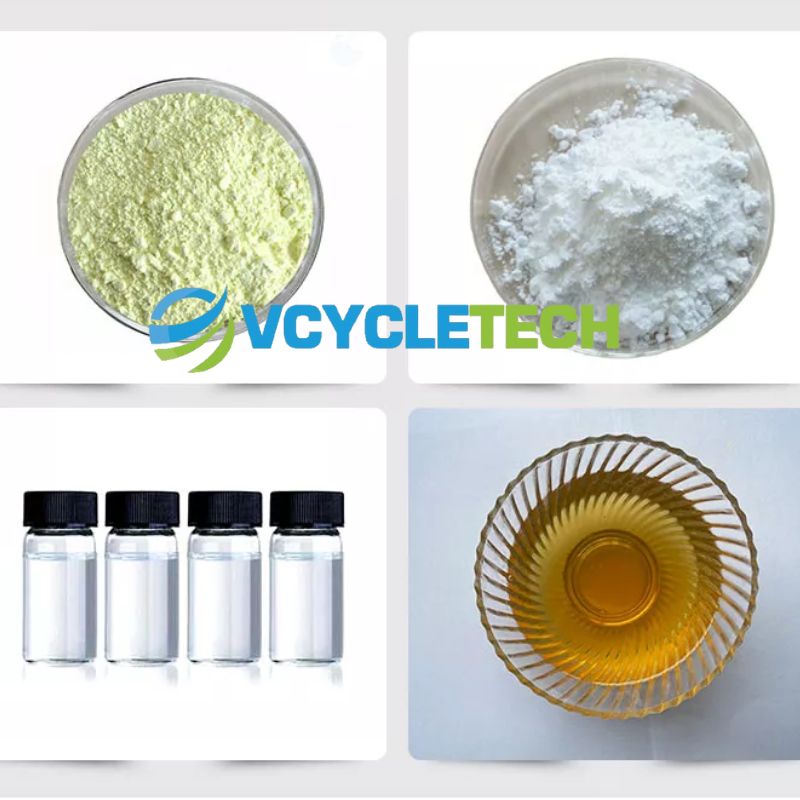
Sodium Salt of Triethylene-tetramine Hexmethanephonic Acid (TETHMP)

Features of TETHMP

1) Remarkable Scale and Corrosion-Inhibiting Capabilities: TETHMP is an effective scale and corrosion inhibitor in industrial water treatment systems, protecting valuable equipment from unnecessary wear and premature ageing. This allows for significant cost savings and extends the overall life of the machinery.

2) High Thermal Stability: TETHMP has a decomposition temperature ranging between 223-245 ℃, meaning that it remains stable under high-heat conditions, making it ideal for various industrial processes that operate at high temperatures.

3) Easy Degradation Properties: Unlike some other water treatment agents, TETHMP is readily biodegradable, ensuring a limited impact on the environment during the water treatment process.

4) Multipurpose Applications: TETHMP is suitable for various water treatment processes, including municipal and industrial cooling waters, peroxide bleaching stabilizers, detergent additives, and oilfield inhibitor applications.

Related products

Consult Us Now for Water Treatment Chemical Solutions

We’re Always Here To support

We’re Always Here To support

Request a quote

TETHMP — Frequently Asked Questions (FAQ)

What is TETHMP (Tetraethylenepentamine Hepta(methylenephosphonic acid) Sodium Salt) used for?

TETHMP is a multi-phosphonic-group chelating scale and corrosion inhibitor for high-hardness, high-alkalinity circulating cooling water and oilfield systems, effective at low dose.

What is the recommended dosage of TETHMP?

TETHMP (Tetraethylenepentamine Hepta(methylenephosphonic acid) Sodium Salt) is typically dosed at 1–15 ppm. The exact dose depends on water quality, temperature and the overall treatment program — VCYCLETECH provides a tailored dosing recommendation.

What should I include in a Sodium Salt of Triethylene-tetramine Hexmethanephonic Acid (TETHMP) enquiry?

For scale-inhibitor and formulation selection, include water analysis and scale/deposit identity; acid or salt identity and required active basis; existing oxidant and inhibitor program; proposed formulation and representative trial. State the proposed grade or specification, quantity, packaging and destination so the product and commercial requirements can be compared.
Scroll to Top
Request a quote