
CAS No. : 51274-37-4;109578-44-1
Molecular Formula: HO(C4H2O5M2)nHÂ Â Â Â Â Â Â Â Â Â Â Molecular weight: 400-1500
Structural Formula:

Properties:
PESA is an advanced multivariate scale and corrosion inhibitor with no phosphor or nitrogen. It is proven more effective than ordinary organophosphines in inhibiting the growth of calcium carbonate, calcium sulfate, calcium fluoride, and silica scales. When combined with organophosphates, its synergy effect amplifies further.
PESA is also biodegradable and can be used safely in high alkaline, hardness, and high pH water systems, even at high concentrations. It also has excellent synergistic effects when used with chlorine and other water treatment chemicals.
Specification:
| Items | Index | |
|---|---|---|
| Appearance | Colorless or amber transparent liquid | White powder |
| Solid content, % | 40.0 min | 90.0min |
| Density (20℃), g/cm3 | 1.30 min | - |
| pH(1% water solution) | 10.0-12.0 | 10.0-12.0 |
Usage
PESA is a polyepoxysuccinic acid known as poly(1-oxacyclopropane-2,3-dicarboxylic acid) and epoxy succinic acid homopolymer. It can be used in a variety of applications such as system oilfield refill water, crude oil dehydration, and boiler, circulating excellent water system of steel, petrochemical, power plant and medicine, boiler water, desalination plant and membrane separation in high alkaline, hardness and pH value situations with high concentration index. Additionally, it can be employed for detergent purposes.
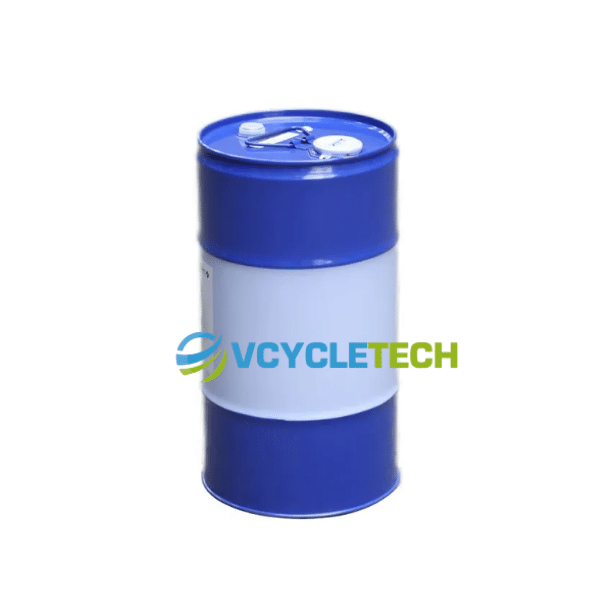
According to the customer’s specifications, PESA liquid is available in a 200L plastic drum or IBC (1000 L). As for the product’s solid form, 20kg/bag can be purchased upon customer request. It should be stored in a dark place and dry area for 10 months with utmost security measures: avoid contact with eyes/skin. If such a situation occurs, rinse thoroughly with plenty of water.
Comprehensive Guide About Polyepoxysuccinic Acid(PESA)
Polyepoxysuccinic Acid (PESA) is one of the most popular water treatment chemicals on the market, an effective inhibitor of multivariate scale and corrosion. With its potent synergism with chlorine and other water treatment agents, PESA has become a go-to when working with high alkaline, hardness, and high pH waters. It is also highly regarded for its excellent scale inhibition abilities in reverse osmosis systems. Furthermore, PESA is a green product containing no hazardous substances like phosphorous.
Function & Principle Of Action:
When used in water treatment processes, Polyepoxysuccinic Acid (PESA) forms insoluble calcium scales, which prevent corrosion caused by ions present in hard water. The acidity of PESA raises the pH level of the water to reduce conductivity and decrease corrosion potentials. When used at optimal concentration levels, PESA also helps break down existing scales into smaller particles, which can then be removed from the system during filtration or sedimentation.
Application Field:
Polyepoxysuccinic Acid (PESA) is widely used in industries such as steel plants, power plants, refineries, and petrochemicals due to its effectiveness at preventing corrosion and scale formation range applications, including boilers, circulating cooling systems, desalination plants, and membrane separation processes. It is also suitable for usage in reverse osmosis systems to tackle challenging problems related to scaling up and increasing service life.
Precautions For Use:
It’s important to note that Polyepoxysuccinic Acid (PESA) should never be added directly into the main tank or pipeline without pre-diluting. Moreover, users must ensure that all safety measures are taken while handling this chemical, such as wearing gloves and protective goggles, as contact with skin or eyes may cause irritation or burn injuries. Furthermore, metallic equipment must not come in contact with this chemical due to its acidic property, which can cause damage over time if left unchecked.


Related products
-
Polycarboxylic Antiscalant and Dispersant
Sodium Salt of 2-Acrylamido-2-Methylpropane Sulfonic Acid (ATBS.Na)
Read more -
Polycarboxylic Antiscalant and Dispersant
Acrylamido 2 Methylpropanesulfonic Acid(AA AMPS)
Read more