TL;DR Start with metallurgy-specific corrosion-control selection and system type and metallurgy. Compare the proposed grade specification and supply requirements before requesting a quotation.
Tolyltriazole (TTA) — Discuss Tolyltriazole (TTA) for metallurgy-specific corrosion-control selection. Start with system type and metallurgy and water chemistry and oxygen-entry pathway. Check the offered grade specification and include the intended application when requesting a quotation.
For a Tolyltriazole (TTA) enquiry, include system type and metallurgy and water chemistry and oxygen-entry pathway, together with the current treatment or formulation. Use the offered grade documents and a representative comparison to decide the next step.
Discuss the grade and application
For Tolyltriazole (TTA), start with metallurgy-specific corrosion-control selection.
Selection inputs
System type and metallurgy
Water chemistry and oxygen-entry pathway
Corrosion, metal-release or deposit trends
Existing treatment and monitoring method
Documents and supply
Identify the proposed grade, required quantity, packaging and destination. Ask which specification, TDS, SDS and batch-document options apply to that offer.
CAS No. 29385-43-1
Molecular formula: C7H7N3 Molecular Weight: 133.16
Specification:
Items
Index
Appearance
White or light yellow granular
Content, %
99.5 min
Moisture, %
0.2 max
Melting point, ℃
80.0-86.0
Ash content, %
0.05 max
Colour (Hazen)
45 max
PH
5.5-6.5
Tolyltriazole (TTA) Properties:
Pure TTA is a white granule or powder that is comprised of a mixture of 4-methyl-benzotriazole and 5-methyl-benzotriazole. It has a melting point between 80°C and 86°C and is soluble in alcohol, benzene, toluene, chloroform, and watery lye. However, it is only slightly soluble in water. Professionals must be meticulous when handling TTA to ensure safe use.
Tolyltriazole (TTA) Usage:
TTA is primarily used as an antirust and corrosion inhibitor for metals such as silver, copper, zinc, lead, and nickel. It can also be used in antirust oil (tallow) products, gas phase corrosion inhibitors of copper, lubricant additives, cycle water treating compounds, and auto antifreeze. Additionally, when used with manifold sterilization algaecide, it demonstrates an impressive corrosion mitigation effect on close-cycle cooling water systems. Professionalism and meticulousness are required when handling TTA to ensure safe use.
Package and Storage:
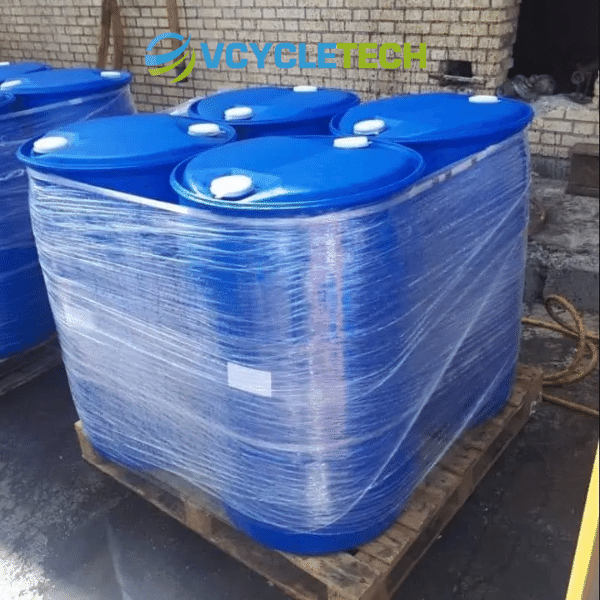
TTA should be packed in seals, nonporous plastic, or paper containers. It must be stored in a cool, dry, and well-ventilated area to prevent contamination and increase its shelf life. Transportation and handling should be done according to good industrial practices for hazardous chemicals. Professionals must take every precaution to ensure safe transportation, handling, and storage of TTA: 25 kg/bag or customers’ requirement. Easy to wet, please put in aeration, dry place, do not mix it with food and seed.
TTA is a copper and yellow-metal corrosion inhibitor for cooling water, antifreeze and lubricants, offering better thermal stability than benzotriazole.
What is the recommended dosage of TTA?
Tolyltriazole (TTA) is typically dosed at 1–5 ppm in cooling water. The exact dose depends on water quality, temperature and the overall treatment program — VCYCLETECH provides a tailored dosing recommendation.
What should I include in a Tolyltriazole (TTA) enquiry?
For metallurgy-specific corrosion-control selection, include system type and metallurgy; water chemistry and oxygen-entry pathway; corrosion, metal-release or deposit trends; existing treatment and monitoring method. State the proposed grade or specification, quantity, packaging and destination so the product and commercial requirements can be compared.