
Compare the application
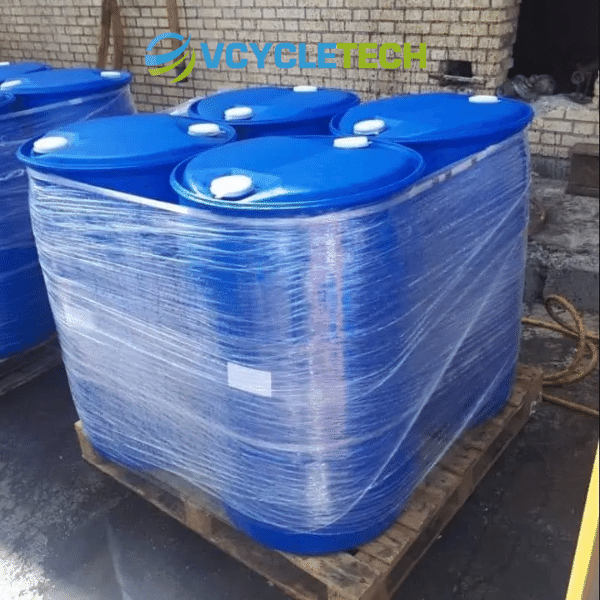
T-225 is an acrylic-acid/2-hydroxypropyl-acrylate copolymer. The catalog distinguishes neutral and acid liquid variants, both at minimum 30% solids, with different supplied-product pH references. Compare the neutralization state, free acrylic monomer and formulation pH before substitution. Screening for mineral and particulate deposit control should reproduce the actual cooling water and other treatment components; establish the acceptable operating conditions for the offered grade through that evaluation.

Catalog reference specifications
These are published catalog references, not a current batch COA. Match the offered grade and measurement basis before comparing offers.
| Items | Index | |
|---|---|---|
| Neutral | Acid | |
| Appearance | Colorless to pale yellow transparent liquid | |
| Solid content, % | 30.0 min | 30.0 min |
| Free monomer (as AA ), % | 0.5 max | 0.5 max |
| pH(1% water solution) | 7.5±1.0 | 2.5±0.5 |
| Density (20℃), g/cm3 | 1.10 min |
Catalog reference specifications · Compare the application · Prepare a quotation
Frequently asked questions
What does the catalog specify?
T-225 is an acrylic-acid/2-hydroxypropyl-acrylate copolymer. The catalog distinguishes neutral and acid liquid variants, both at minimum 30% solids, with different supplied-product pH references. Compare the neutralization state, free acrylic monomer and formulation pH before substitution. Screening for mineral and particulate deposit control should reproduce the actual cooling water and other treatment components; establish the acceptable operating conditions for the offered grade through that evaluation.
What should the trial compare?
Keep feed water, concentration factor, pH, temperature, oxidant exposure, mixing and residence time representative. Compare dissolved and deposited mineral, suspended material, filtration and operating trends. Verify metal corrosion and long-term membrane compatibility as separate endpoints when they are relevant to the application.
What should I send for a quotation?
Send the product or model, required specification, quantity, packaging and destination. Include the application and current product, if known. Confirm the available TDS, SDS, batch documents, storage conditions and commercial delivery terms for the actual offer.



Related products