
Shipment
DTPMPA 50% Liquid IBC Shipment and Product Overview
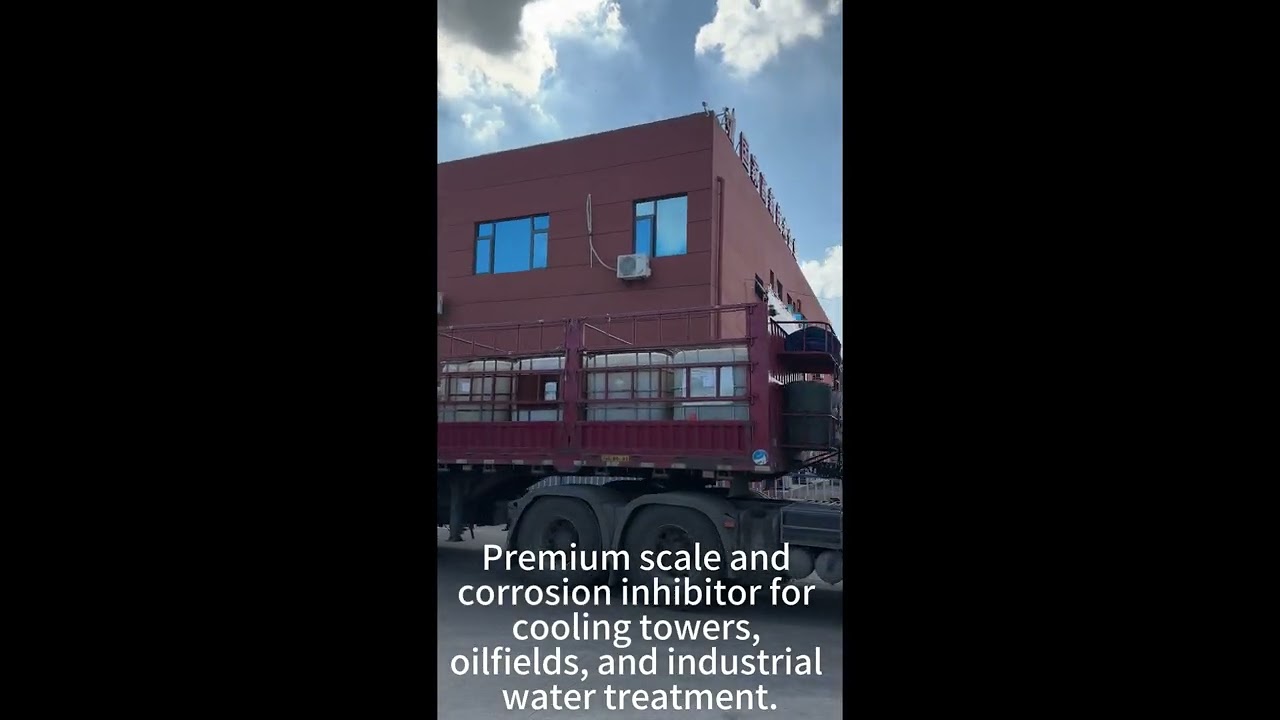
This 16-second dispatch video shows DTPMPA 50% liquid in caged IBC totes loaded on a truck. It connects the bulk package format to a phosphonate used in industrial scale- and corrosion-control formulations. The linked product page lists active acid at 50.0% minimum together with appearance, chloride, pH and iron fields. Buyers can compare DTPMPA with the water chemistry, temperature, metallurgy and treatment program, then include the required grade, IBC quantity and destination in a bulk enquiry. Product documents can be requested after the application and commercial requirements are clear.
Watch on YouTube Published
What this video shows
The video shows DTPMPA 50% liquid in caged IBC totes at dispatch. DTPMPA is a phosphonate option for industrial scale- and corrosion-control formulations, and the linked product page lists active acid at 50.0% minimum. Compare the grade with the water chemistry, temperature, metallurgy and current program, then share the IBC quantity and destination for a focused quotation.
What the DTPMPA dispatch video shows
The clip shows caged IBC totes identified as DTPMPA 50% liquid loaded on a truck. It gives buyers a direct view of the bulk package and dispatch format for this product family.
Where DTPMPA fits
DTPMPA is part of the phosphonate range used in industrial scale- and corrosion-control formulations. Compare it with the actual water analysis, temperature, metallurgy, current program and discharge constraints rather than selecting from package appearance alone.
Plan a DTPMPA bulk enquiry
State the water or process application, required grade, IBC quantity, destination and timing. Link the request to the DTPMPA product page and add any technical, safety or shipping documents needed for the destination.
Product and process details
These fields summarize the product, process or shipment context shown in the video and linked catalog.
| Field | Value | Source |
|---|---|---|
| Appearance | Brown transparent liquid | Product page |
| Active acid | ≥50.0% | Product page |
| Chloride (as Cl⁻) | 12.0–17.0% | Product page |
| pH | ≤2.0 for a 1% water solution | Product page |
| Iron | ≤35.0 mg/L | Product page |
DTPMPA 50% selection and supply view
Connect the visible IBC format to the chemistry and operating conditions that drive product selection.
| Decision field | What this page provides | What to share |
|---|---|---|
| Product form | DTPMPA 50% liquid | Preferred liquid grade |
| Application | Scale and corrosion-control formulation | Water system and treatment target |
| Package | Caged IBC tote | Required IBC quantity |
| Selection inputs | Product-page grade fields | Water analysis and operating conditions |
| Delivery | Truck dispatch context | Destination and timing |
DTPMPA application-to-quote flow
What should a DTPMPA buyer send for a useful quote?
A useful quotation connects the chemical grade to the water system and the required export document set.
- Water system and treatment objective
- Water analysis and operating temperature
- Current inhibitor program and discharge constraints
- Required package size and order quantity
- Destination, label language and document list
Common questions
What is shown in the DTPMPA shipment video?
The clip shows caged IBC totes identified by the video post as DTPMPA 50% liquid being loaded for dispatch.
Which DTPMPA specification values are listed on the product page?
The current page lists brown transparent liquid, active acid ≥50.0%, chloride 12.0–17.0%, pH ≤2.0 and iron ≤35.0 mg/L.
Where is DTPMPA used?
It is a phosphonate option for industrial scale- and corrosion-control formulations, subject to the actual water and process conditions.
Which inputs help compare DTPMPA options?
Share water analysis, temperature, metallurgy, current program, treatment target and discharge constraints.
How can a buyer request a DTPMPA quotation?
Send the required grade, application data, IBC quantity, destination, timing and any required documents through the contact form.