
What Is an Antiscalant? How Scale Inhibitors Work
TL;DR An antiscalant (scale inhibitor) is a chemical that keeps sparingly-soluble salts — calcium carbonate, sulfate, phosphate — in solution so they don't deposit as scale on heat-transfer surfaces or membranes. It works by threshold inhibition, crystal distortion and dispersion.
How antiscalants work
- Threshold inhibition — sub-stoichiometric doses delay crystal nucleation.
- Crystal distortion — adsorption onto growing crystals deforms them so they can't build hard scale.
- Dispersion — keeps particles suspended.
Common antiscalants
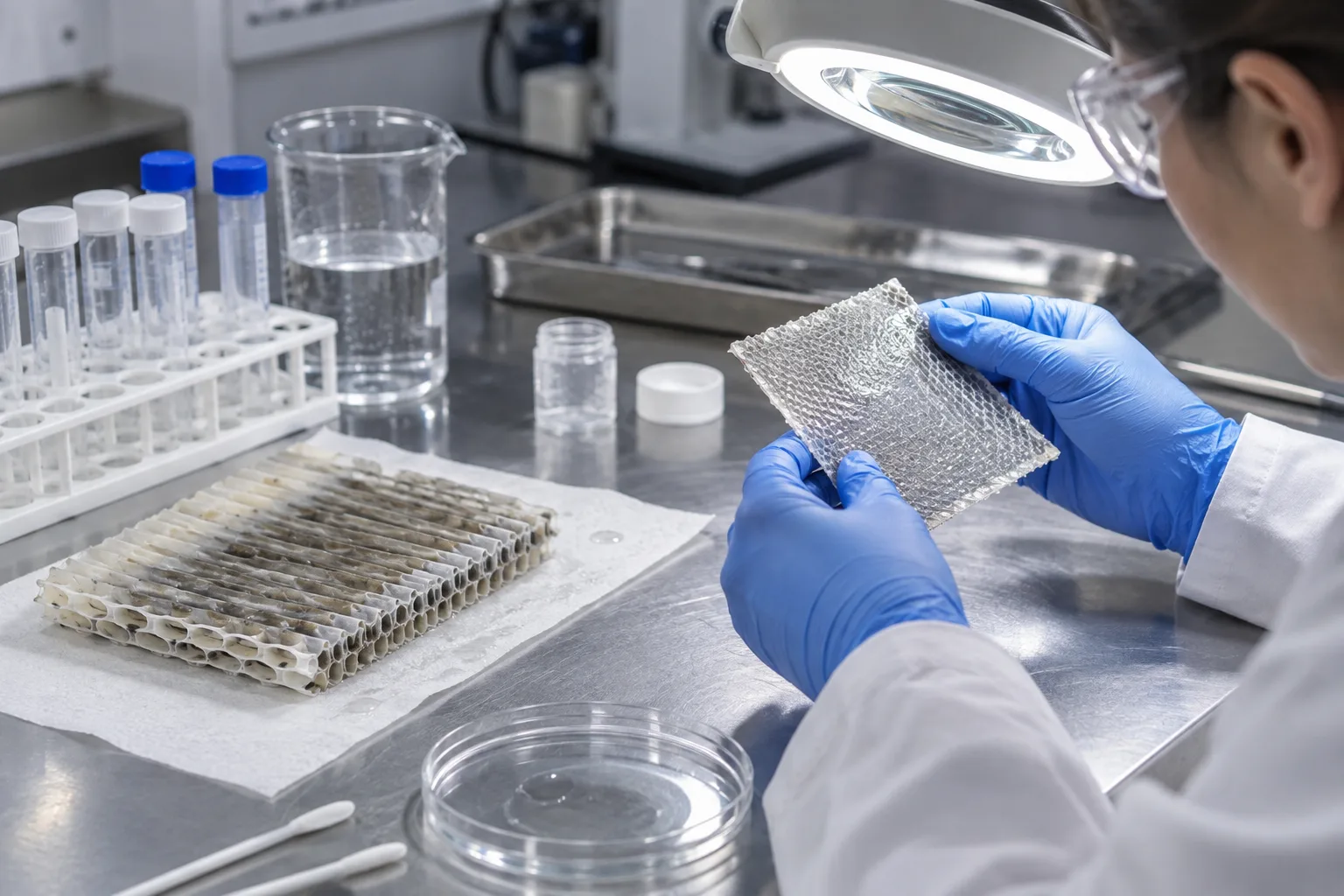
Organic phosphonates — ATMP, HEDP, PBTC — and polymers (AA/AMPS, PAAS) plus green options like PASP.
Where antiscalants are used
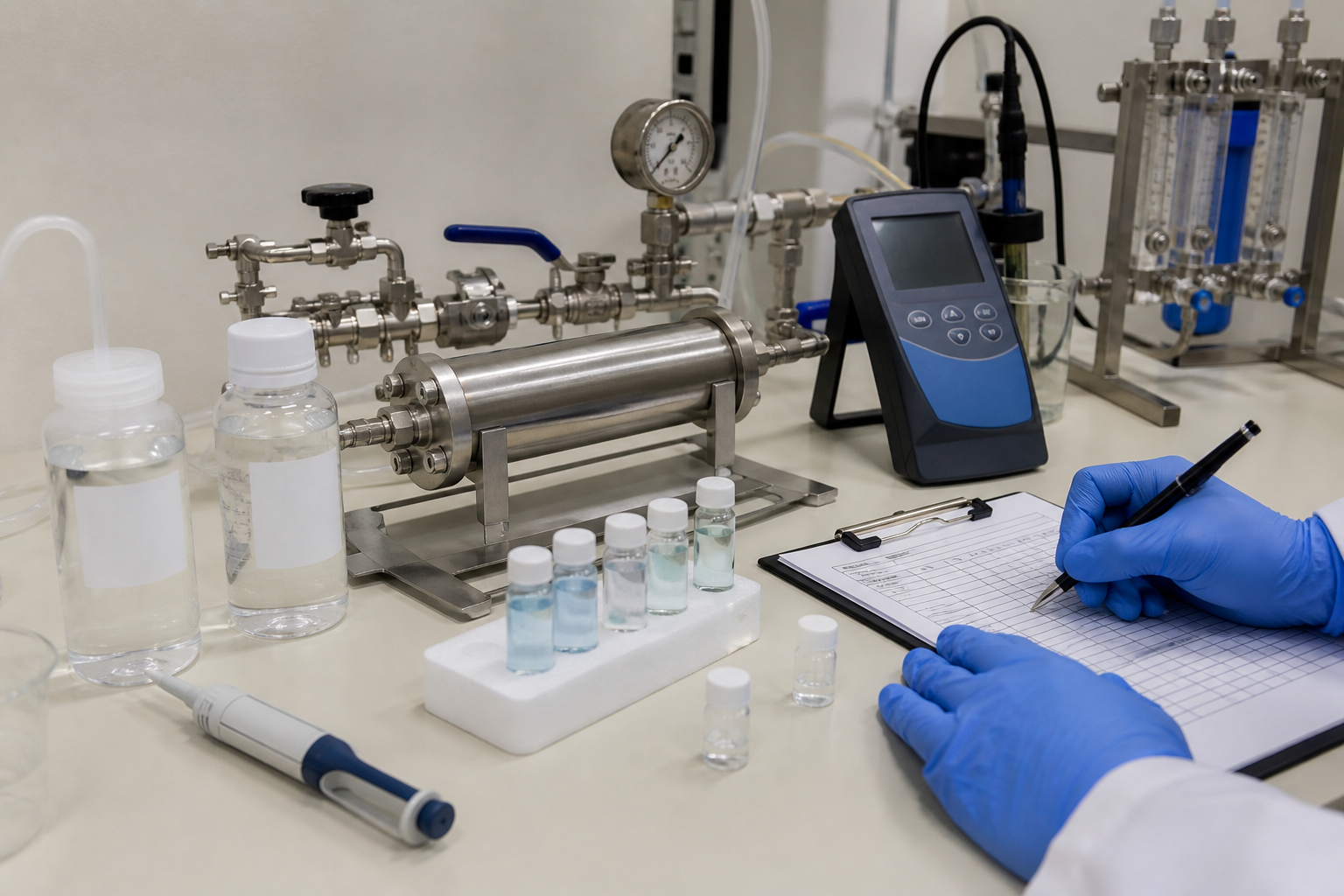
Cooling water, boilers, RO membranes and oilfield systems.
Watch

Frequently asked questions
What does an antiscalant do?
It prevents scale by keeping hardness salts in solution through threshold inhibition, crystal distortion and dispersion — at sub-stoichiometric doses.
What is the difference between an antiscalant and a scale inhibitor?
They are the same thing — 'antiscalant' is common in RO/desalination, 'scale inhibitor' in cooling and boiler water.
Is ATMP an antiscalant?
Yes — ATMP is an organophosphonic-acid antiscalant and corrosion inhibitor widely used in cooling and boiler water.
About the manufacturer
VCYCLETECH is a China-based manufacturer of water treatment chemicals — antiscalants, scale & corrosion inhibitors, coagulants, flocculants, biocides, dispersants and paper chemicals — ISO 9001 / 14001 / 45001 certified, with current COA information on request and OEM/ODM service. See our quality & certifications.
Related: ATMP vs HEDP · What is HEDP · Cooling water