Product Details

Facebook
LinkedIn

WT-628 scale and Corrosion Inhibitor

TL;DR Start with system-specific formulated-treatment selection and cooling, boiler, heating or injection-water system. Compare the proposed grade specification and supply requirements before requesting a quotation.

WT-628 scale and Corrosion Inhibitor — Discuss WT-628 scale and Corrosion Inhibitor for system-specific formulated-treatment selection. Start with cooling, boiler, heating or injection-water system and water analysis and operating conditions. Check the offered grade specification and include the intended application when requesting a quotation.

For a WT-628 scale and Corrosion Inhibitor enquiry, include cooling, boiler, heating or injection-water system and water analysis and operating conditions, together with the current treatment or formulation. Use the offered grade documents and a representative comparison to decide the next step.

Discuss the grade and application

For WT-628 scale and Corrosion Inhibitor, start with system-specific formulated-treatment selection.

Selection inputs

  • Cooling, boiler, heating or injection-water system
  • Water analysis and operating conditions
  • Deposit and corrosion evidence
  • Current program and proposed validation

Documents and supply

Identify the proposed grade, required quantity, packaging and destination. Ask which specification, TDS, SDS and batch-document options apply to that offer.

Technical documents · Company certificate scopes

Request a quote

Product Description

Introduction:

WT-628 is a powerful scale and corrosion inhibitor developed in the most demanding environments. Its unique combination of organophosphine acid, polycarboxylic acid, sulfosalt copolymer, and thiazole makes it ideal for power plants, chemical plants, central air conditioners, and any other facility that needs to maintain high concentration index requirements. Not only does WT-628 excel at removing existing scale buildup, but it it has an s and inhibition effect on steel & iron or copper.

Features:

  1. The unique combination of organophosphine acid, polycarboxylic acid, sulfosalt copolymer, and thiazole for maximum effectiveness
  2. High chelation capability for calcium carbonate and calcium phosphate scales
  3. Strong scale inhibition effect on steel & iron or copper surfaces
  4. Works with higher concentration index requirements
  5. Noncorrosive to metal surfaces
  6. Suitable for use in power plants, chemical plants, and central air conditioners.

Applications:

WT-628 can be used in various industrial applications requiring high-concentration index maintenance. Due to its high chelation capabilities, it is particularly effective at preventing scale buildup in power plants and chemical plants. In addition, WT-628 can be used in central air conditioners as a corrosion inhibitor to protect metal surfaces from corroding. Lastly, it can be applied in steel & iron or copper surface treatments to inhibit further scale formation.

Specification:

ItemsIndex
AppearanceAmber liquid
Solid content,%30.0 min
Total phosphoric acid,(as PO43-)%15.0 min
pH(1% water solution)2.5±1.0
Density(20℃) , g/cm31.10 min

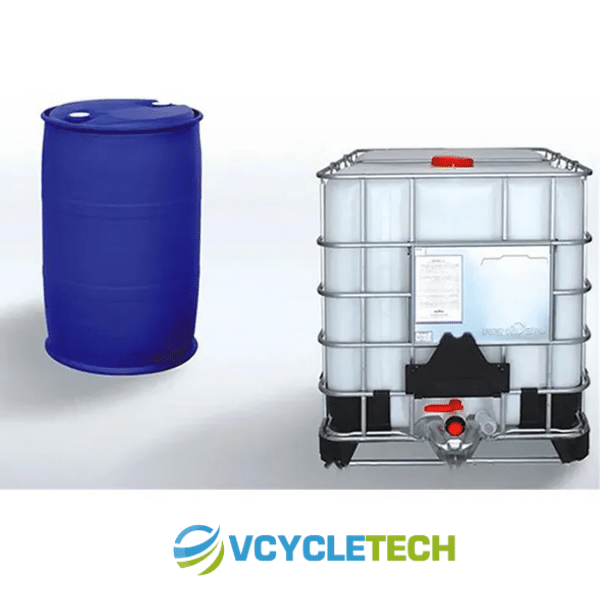
Usage & Package, and Storage:

Related products

Consult Us Now for Water Treatment Chemical Solutions

We’re Always Here To support

We’re Always Here To support

Request a quote

WT-628 — Frequently Asked Questions (FAQ)

What is WT-628 Scale & Corrosion Inhibitor used for?

WT-628 is a formulated scale and corrosion inhibitor for circulating cooling water, giving balanced scale control and multi-metal corrosion protection at low dose.

What is the recommended dosage of WT-628?

WT-628 Scale & Corrosion Inhibitor is typically dosed at per program. The exact dose depends on water quality, temperature and the overall treatment program — VCYCLETECH provides a tailored dosing recommendation.

What should I include in a WT-628 scale and Corrosion Inhibitor enquiry?

For metallurgy-specific corrosion-control selection, include system type and metallurgy; water chemistry and oxygen-entry pathway; corrosion, metal-release or deposit trends; existing treatment and monitoring method. State the proposed grade or specification, quantity, packaging and destination so the product and commercial requirements can be compared.
Scroll to Top
Request a quote