Product Details

Facebook
LinkedIn

Octadecyl Trimethyl Ammonium Chloride(OTAC)

TL;DR Start with surfactant identity and formulation selection and chemical name and cas identity. Compare the proposed grade specification and supply requirements before requesting a quotation.

Octadecyl Trimethyl Ammonium Chloride(OTAC) — Discuss Octadecyl Trimethyl Ammonium Chloride(OTAC) for surfactant identity and formulation selection. Start with chemical name and cas identity and active basis and formulation ph. Check the offered grade specification and include the intended application when requesting a quotation.

For a Octadecyl Trimethyl Ammonium Chloride(OTAC) enquiry, include chemical name and cas identity and active basis and formulation ph, together with the current treatment or formulation. Use the offered grade documents and a representative comparison to decide the next step.

Discuss the grade and application

For Octadecyl Trimethyl Ammonium Chloride(OTAC), start with surfactant identity and formulation selection.

Selection inputs

  • Chemical name and CAS identity
  • Active basis and formulation pH
  • Other surfactants and ingredients
  • Intended use and jurisdiction

Documents and supply

Identify the proposed grade, required quantity, packaging and destination. Ask which specification, TDS, SDS and batch-document options apply to that offer.

Technical documents · Company certificate scopes

Request a quote

Product Description

CAS No. 112-03-8

Molecular Formula: C21H46NCL

Molecular weight:348.05

Structural Formula:
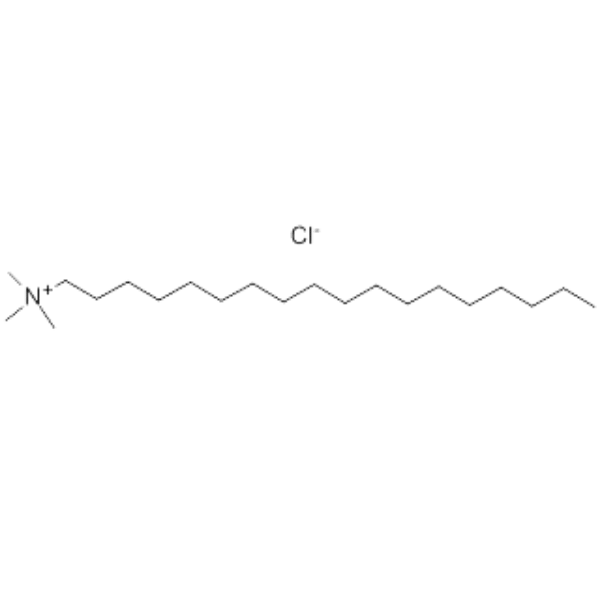
OTAC
OTAC

Specification:

ItemsIndex
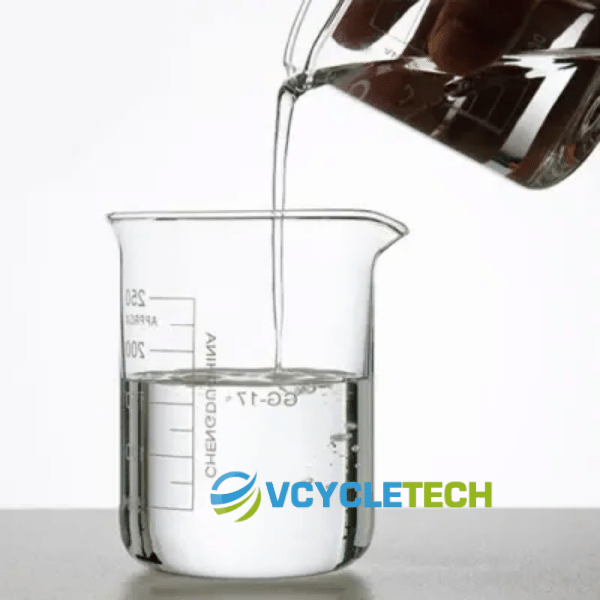
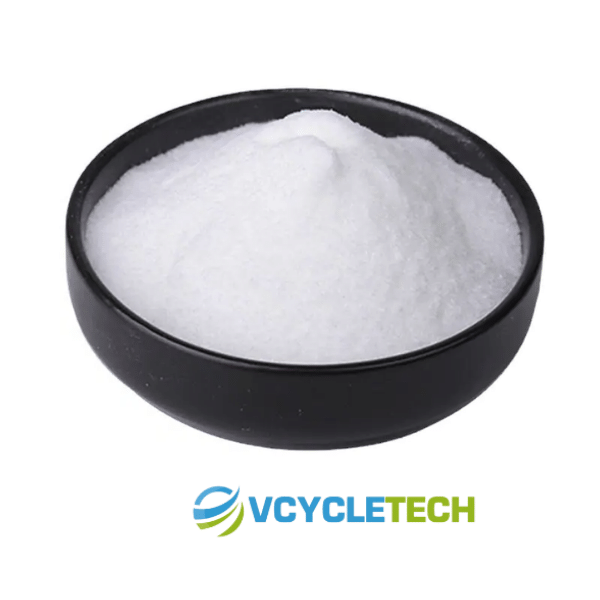
AppearanceColorless to pale yellow liquidColorless to pale yellow cream liquid
Active content, %48-5268-72
pH(10% water solution)4.0-9.04.0-9.0
Free amine, %1.5 max2.0 max

Properties:

Octadecyl Trimethyl Ammonium Chloride (OTAC) is soluble in water, ethanol, and methanol and is compatible with cationic, nonionic, and amphoteric surfactants. It has good chemical stability when exposed to heat, light, pressure, and acid or alkaline solutions. OTAC also possesses excellent permeability, softness, emulsification, and anti-electrostatic and bactericidal properties.

Usage:

Octadecyl Trimethyl Ammonium Chloride (OTAC) can be used as a fabric softener, raw material for asphalt emulsion and hair conditioner, organic bentonite modifier, protein coagulant, or flocculant in the bio-pharmaceutical industry, antistatic agent of textile fiber and hair adjustment agent. Additionally, OTAC can be used as an emulsifier of asphalt, silicone oil, and rubber, as bacteria for cycling cooling water, and disinfectant.

Package and Storage:

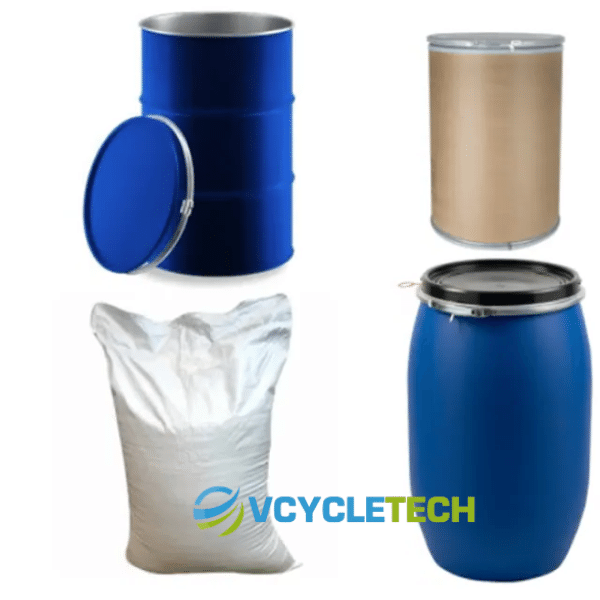
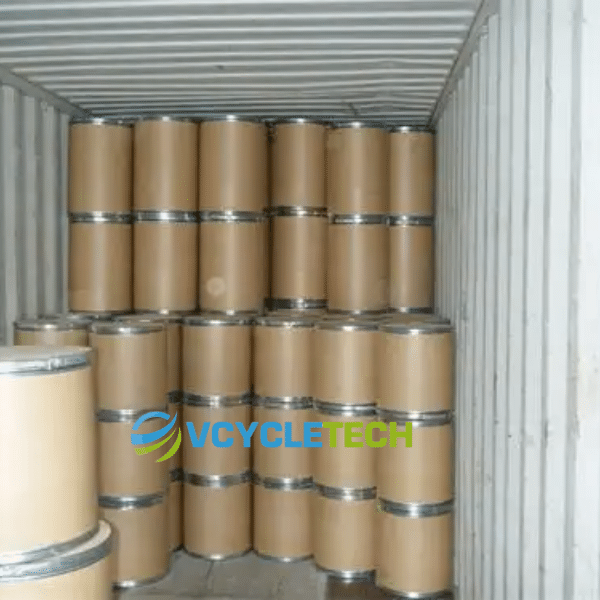
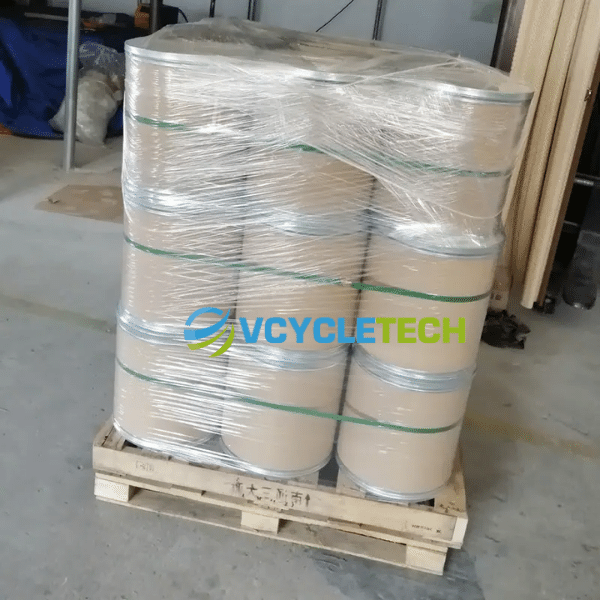
Octadecyl Trimethyl Ammonium Chloride (OTAC) should be stored in a dry, cool, and ventilated place away from fire and heat sources. It should be sealed and packed to prevent moisture and foreign matter contamination. 200L plastic drum,IBC(1000L),customers’ requirement. Storage for one year in a shady room and dry place.

Safety Protection:

Octadecyl Trimethyl Ammonium Chloride (OTAC) has a faint almond smell and does not visibly stimulate the skin. In the case of contact, flush with water immediately.

Synonyms:

1831

Octadecyl Trimethyl Ammonium Chloride

STAC

Stearyl Trimethyl Ammonium Chloride

TrimethylStearylAmmonium Chloride

1-octadecanaminium,n,n,n-trimethyl-, chloride
Consult Us Now for Water Treatment Chemical Solutions

We’re Always Here To support

We’re Always Here To support

Request a quote

OTAC — Frequently Asked Questions (FAQ)

What is Octadecyl Trimethyl Ammonium Chloride (OTAC / 1831) used for?

OTAC (1831) is a cationic surfactant used as an antistatic agent, softener, emulsifier and phase-transfer catalyst in textiles, cosmetics and organoclay and industrial applications.

What is the recommended dosage of OTAC?

Dosage depends on the formulation and application; VCYCLETECH provides a tailored dosing recommendation for your system.

What should I include in a Octadecyl Trimethyl Ammonium Chloride(OTAC) enquiry?

For surfactant identity and formulation selection, include chemical name and cas identity; active basis and formulation ph; other surfactants and ingredients; intended use and jurisdiction. State the proposed grade or specification, quantity, packaging and destination so the product and commercial requirements can be compared.
Scroll to Top
Request a quote