
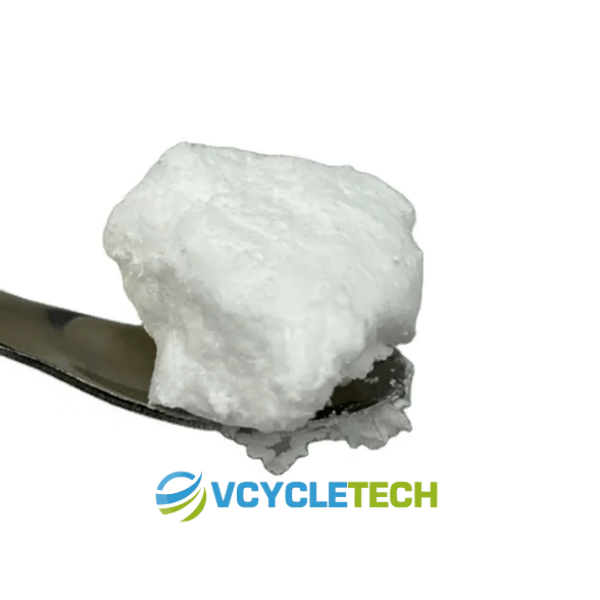
Cationic Surfactant Selection: CTAC vs DTAC vs OTAC vs DDAC
TL;DR The four common quaternary-ammonium cationic surfactants share the same head group and differ mainly in the alkyl chain: OTAC is C8, DTAC is C12, CTAC is C16, and DDAC carries two C10 chains. Longer chains are more hydrophobic and more surface-active, so CTAC leads on emulsifying, conditioning and antistatic duty, while the twin-chain DDAC is the strongest biocide. Pick the chain length for the job, not the lowest price per kg.
One head group, different tails
OTAC, DTAC, CTAC and DDAC are all quaternary ammonium salts — a positively charged nitrogen head that adsorbs onto negatively charged surfaces (fibres, hair, minerals, bacterial cell walls). What changes is the alkyl tail, and the tail decides the performance.
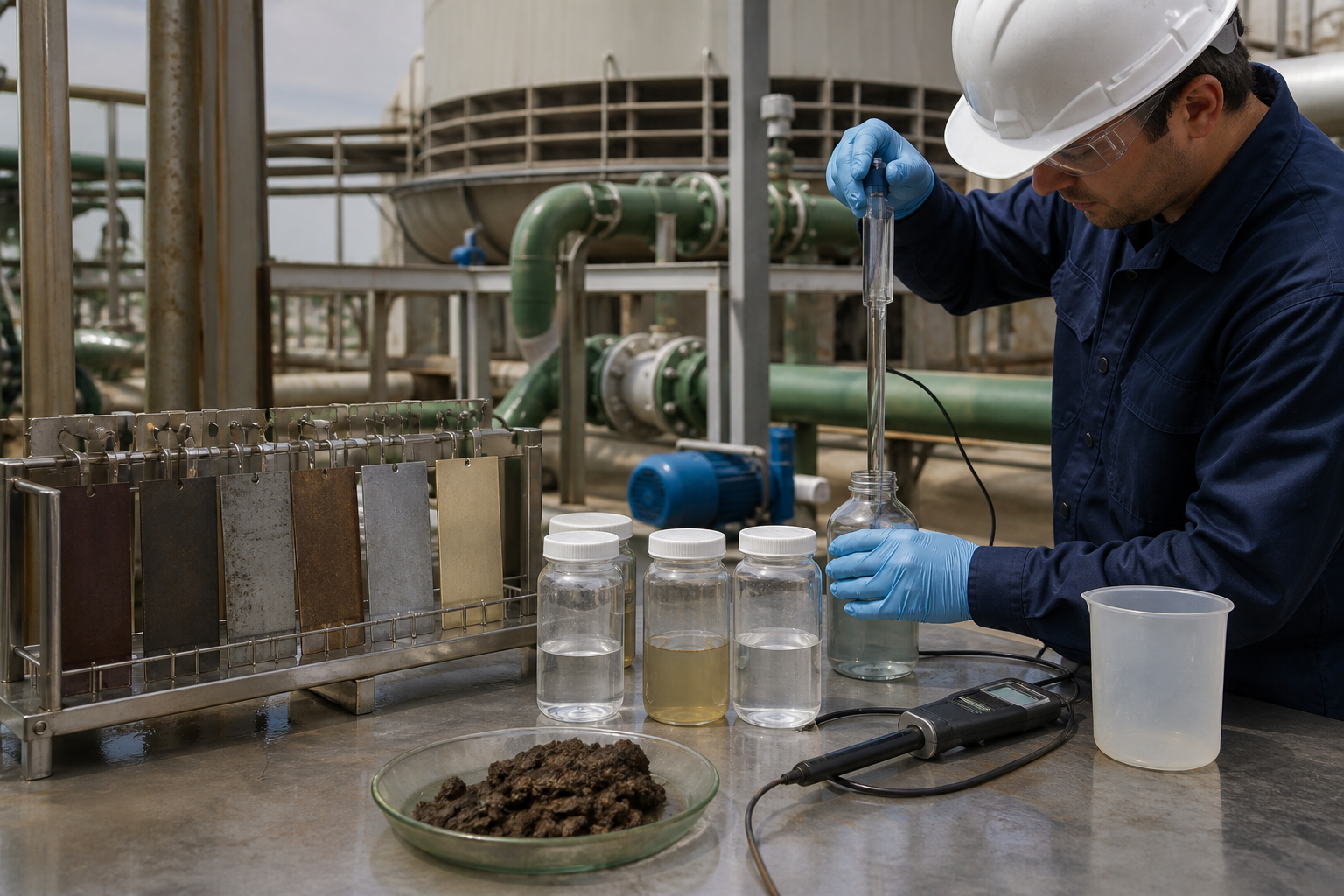
Chain length is the lever
The single-chain trimethyl-ammonium series runs by carbon number: OTAC (C8), DTAC (C12) and CTAC (C16). Longer chain = more hydrophobic = more surface-active. CTAC's C16 tail gives it the best emulsifying, conditioning, antistatic and film-forming behaviour, which is why it dominates personal-care, textile and water-treatment surfactant duty. Shorter chains like OTAC wet and penetrate faster but foam and emulsify less.
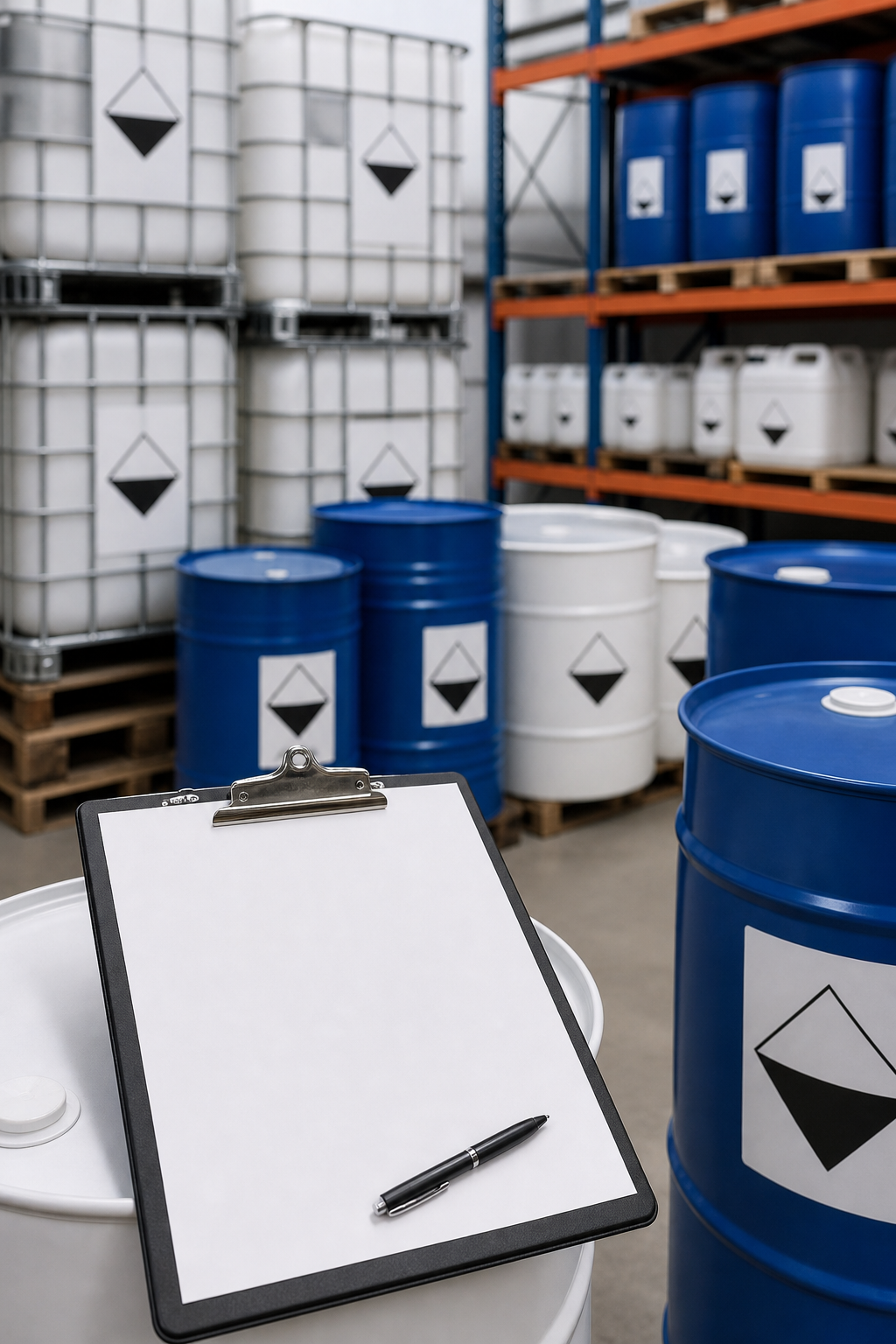
The counter-intuitive corrosion result
One result surprises buyers: as a corrosion inhibitor in acid, at the same concentration the longer alkyl chain is often the weaker inhibitor — packing and micelle behaviour, not raw hydrophobicity, controls the protective film. So do not assume "longest chain = best" for every duty; match the molecule to the actual test.
DDAC — the twin-chain biocide
DDAC (didecyl dimethyl ammonium chloride) is not a longer single chain but two C10 chains on one nitrogen. That twin-chain geometry disrupts microbial membranes far more effectively, so DDAC is a strong disinfectant and algaecide — the go-to quaternary biocide, alongside BKC, where kill is the goal rather than surface activity.
How to choose
- Emulsifying / conditioning / antistatic → CTAC (C16).
- Fast wetting, lighter surface activity → DTAC (C12) or OTAC (C8).
- Disinfection / algae control → DDAC (twin C10) or BKC.
- Acid corrosion inhibition → test; longest chain is not automatically best.
CTAC vs DTAC vs OTAC vs DDAC
| Property | OTAC | DTAC | CTAC | DDAC |
|---|---|---|---|---|
| Alkyl chain | C8 single | C12 single | C16 single | 2 × C10 |
| Hydrophobicity | Low | Medium | High | High (twin) |
| Surface activity | Lower | Medium | Highest | Moderate |
| Biocidal strength | Low | Moderate | Moderate | Strongest |
| Typical duty | Wetting | Emulsify, antistatic | Conditioning, emulsify, antistatic | Disinfection, algaecide |
Watch
Frequently asked questions
What is the difference between CTAC, DTAC and OTAC?
They are the same cetyl/dodecyl/octyl trimethyl ammonium chloride family with different alkyl chain lengths — OTAC is C8, DTAC is C12 and CTAC is C16. Longer chains are more hydrophobic and more surface-active, so CTAC gives the strongest emulsifying, conditioning and antistatic performance while shorter chains wet and penetrate faster.
Which cationic surfactant is the best biocide?
DDAC (didecyl dimethyl ammonium chloride) is the strongest of this group because its two C10 chains disrupt microbial membranes more effectively than a single chain. It and benzalkonium chloride (BKC) are the usual quaternary-ammonium choices where disinfection or algae control is the goal rather than surface activity.
Does a longer alkyl chain always perform better?
No. Longer chains are more hydrophobic and better for emulsifying and conditioning, but for acid corrosion inhibition the longer chain is often the weaker inhibitor at the same concentration, because film packing rather than hydrophobicity controls protection. Match the molecule to the actual duty and test.
What is CTAC used for in water treatment?
Cetyl trimethyl ammonium chloride (CTAC) is used as a surfactant, emulsifier, antistatic agent and biocide. Its C16 chain gives strong surface activity and film formation, making it useful in textile, personal-care and industrial water-treatment formulations where conditioning and emulsifying performance matter.
Does VCYCLETECH supply CTAC, DTAC, OTAC and DDAC?
VCYCLETECH lists cationic surfactants including CTAC, DTAC, OTAC and DDAC. Share your application, target grade, quantity, packaging and destination to request current TDS/SDS, a representative COA and sample options. Agree lot-documentation terms before ordering.
About the manufacturer
VCYCLETECH is a China-based manufacturer of water treatment and process chemicals — surfactants, biocides, coagulants and flocculants, phosphonates, dispersants and paper chemicals — ISO 9001 / 14001 / 45001 certified, with current COA information on request and OEM/ODM service. See our quality & certifications.
References
- Quaternary ammonium cation — Wikipedia
- Cetrimonium chloride (CTAC) — Wikipedia
- Didecyldimethylammonium chloride (DDAC) — Wikipedia
- Effect of the alkyl chain of quaternary ammonium surfactants on corrosion inhibition — Comptes Rendus Chimie
Related: CTAC · DTAC · OTAC · DDAC · Cationic surfactants