CAS No. 112-02-7
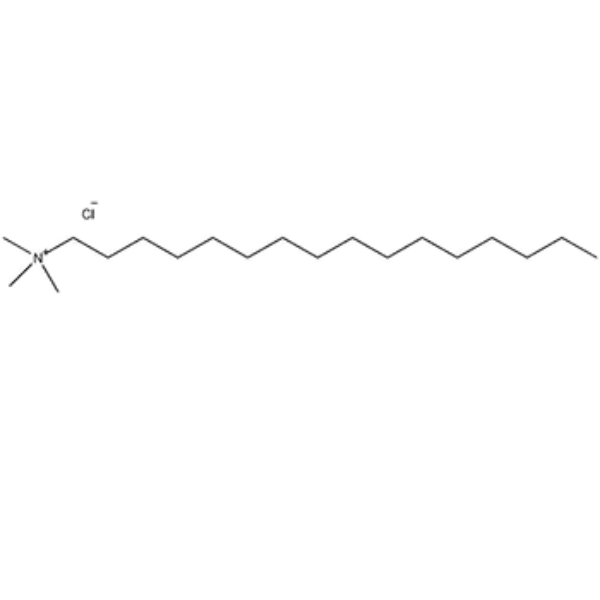
Molecular Formula: C19H42ClN
Molecular weight: 320
Structural Formula:
Specification:
| Items | Index | |
|---|---|---|
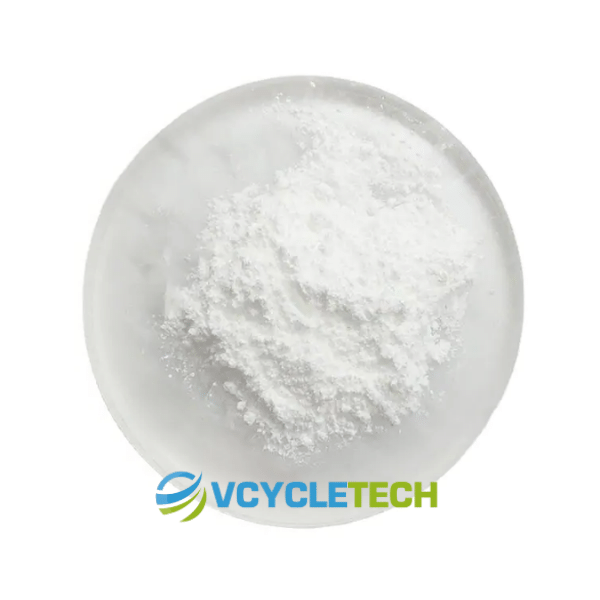
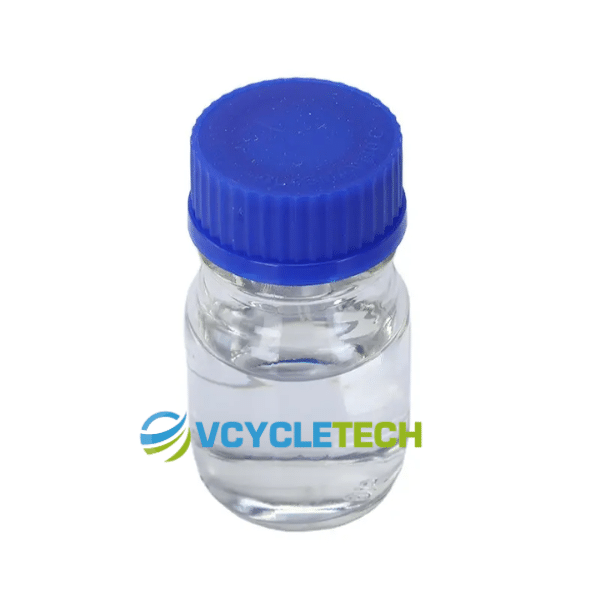
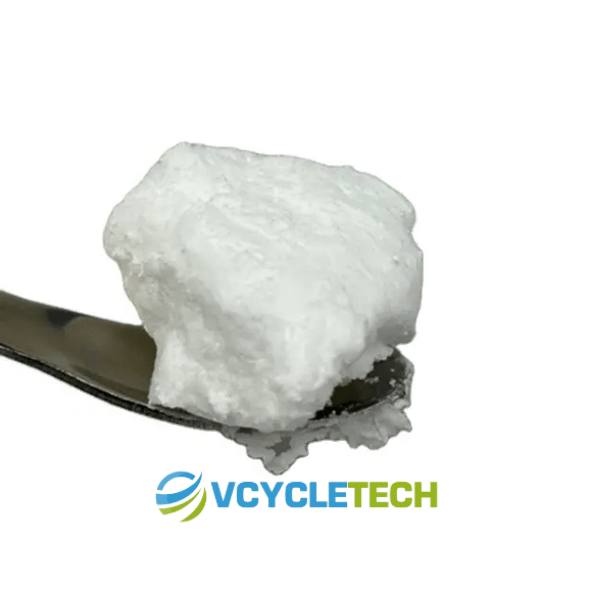
| Appearance | Colorless to pale yellow liquid | Colorless to pale yellow cream or solid |
| Active content, % | 48-52 | 68-72 |
| PH (10% water solution) | 4.0-9.0 | 4.0-9.0 |
| Free amine, % | 1.5 max | 2.0 max |
| Color (APHA) | 150max | 150max |
CTAC Properties:
Cetyl Trimethyl Ammonium Chloride (CTAC) is a cationic surfactant, soluble in water, methanol, and ethanol, making it an ideal choice for a variety of applications. It can be used as a softener and hair conditioner, as well as in waterproof coatings, natural fibers, synthetic fibers, and even glass fibers. This product exhibits strong chemical stability, heat resistance, and light resistance.
Additionally, CTAC also has excellent permeability, softness, emulsification ability, and anti-electrostatic properties while providing good acid and alkali resistance. Furthermore, this product offers outstanding bactericidal characteristics.
CTAC Usage:
Cetyl Trimethyl Ammonium Chloride (CTAC) is ideal for use in various shampoo, hair care, architectural coating, and fabric softener applications. Additionally, it can be utilized in the petroleum, papermaking, and food processing fields, offering outstanding bactericidal properties for cycling cooling water treatment.
CTAC is also an effective emulsifying agent for silicone oil, a hair conditioner emulsifier, and a fiber softener with excellent anti-static performance. Moreover, this product can be used to soften and isolate paper as a washing adjustment agent (hair rinse agent) and hair conditioner in the pickling industry.
Package and Storage:
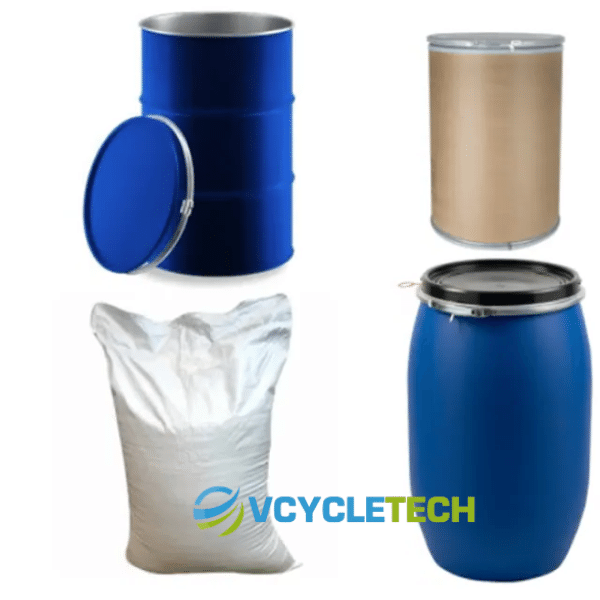
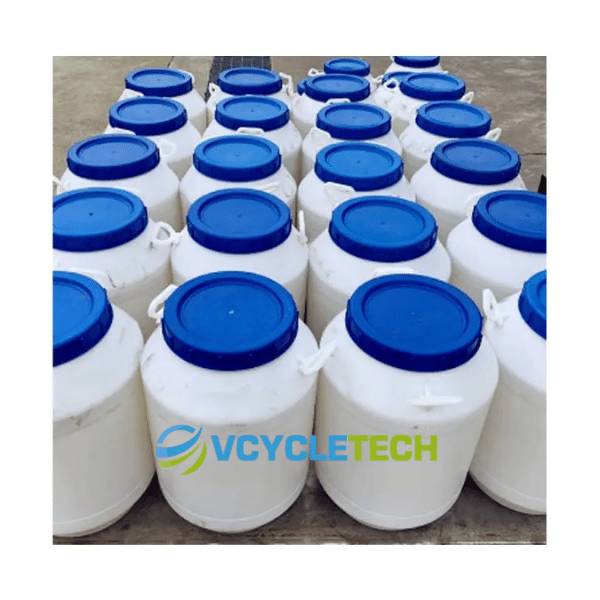
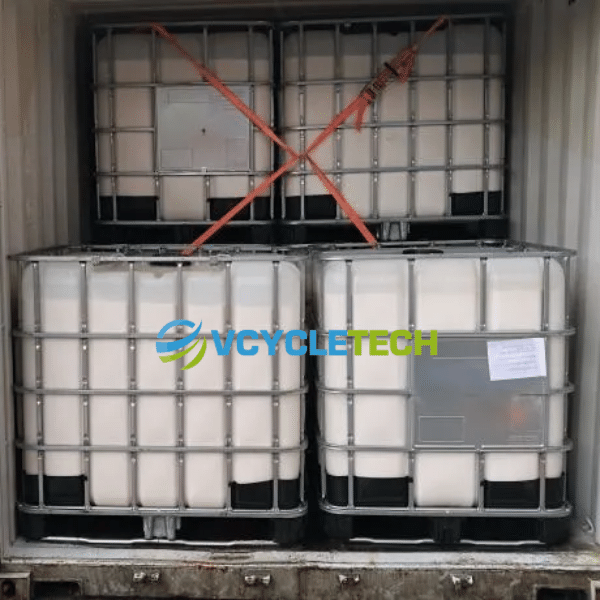
Cetyl Trimethyl Ammonium Chloride (CTAC) should be tightly sealed and securely stored in a cool, dry place. It is advised to avoid direct sunlight, moisture, and other factors that may negatively affect its quality. Additionally, it is recommended to use containers that are not highly reactive to this product for storage purposes.200L plastic drum, IBC(1000L), customers’ requirement. Storage for one year in shady room and dry place.
Safety Protection:
Cetyl Trimethyl Ammonium Chloride (CTAC) offers a faint almond smell and will not visibly irritate the skin. In case of contact, rinse immediately with plenty of water.
Synonyms:
1631
N-Hexadecyl Trimethyl Ammonium Chloride
Trimethyl Hexadecyl Ammonium Chloride
Trimethyl-1-Hexadecane Ammonium Chloride
1-Hexadecanaminium, N,N, N-trimethyl-, chloride


Related products