Product Details

Facebook
LinkedIn

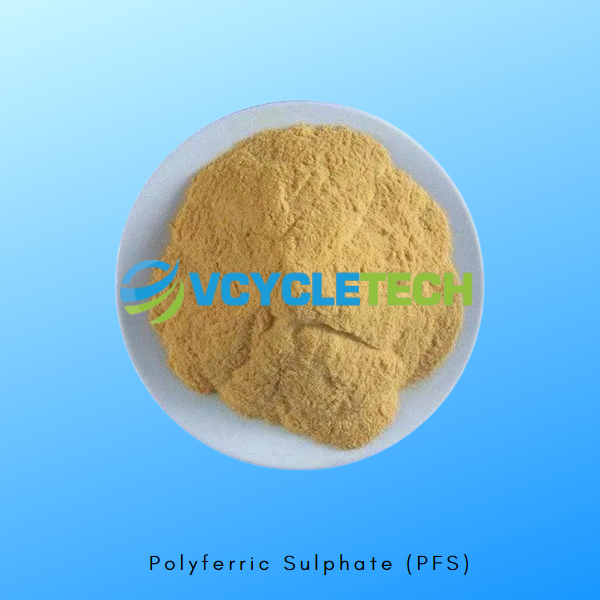
Polyferric Sulphate (PFS)

TL;DR Start with coagulation and solids-separation selection and wastewater or sludge source and variability. Compare the proposed grade specification and supply requirements before requesting a quotation.

Polyferric Sulphate (PFS) — Discuss Polyferric Sulphate (PFS) for coagulation and solids-separation selection. Start with wastewater or sludge source and variability and ph, alkalinity, salts, solids and oil. Check the offered grade specification and include the intended application when requesting a quotation.

For a Polyferric Sulphate (PFS) enquiry, include wastewater or sludge source and variability and ph, alkalinity, salts, solids and oil, together with the current treatment or formulation. Use the offered grade documents and a representative comparison to decide the next step.

Discuss the grade and application

For Polyferric Sulphate (PFS), start with coagulation and solids-separation selection.

Selection inputs

  • Wastewater or sludge source and variability
  • pH, alkalinity, salts, solids and oil
  • Mixing sequence and separation equipment
  • Liquid quality, captured solids and operating stability

Documents and supply

Identify the proposed grade, required quantity, packaging and destination. Ask which specification, TDS, SDS and batch-document options apply to that offer.

Technical documents · Company certificate scopes

Request a quote

Product Description

Introduction

Polyferric sulphate (PFS) is a powerful coagulant with the potential to revolutionize wastewater treatment. Using flocculation processes during its application has effectively removed suspended organic waste matter – making it an attractive alternative for wastewater management experts in search of new solutions.

Features:

PFS effectively removes suspended organic matter and various other pollutants in both municipal and industrial wastewater. It can also be used to reduce iron, aluminum, and zinc levels that would otherwise be hard to control through traditional treatments. Additionally, polyferric sulphate is a natural polymer with no negative environmental impacts. Its low cost and easy-to-use nature make it ideal for smaller operations such as septic systems or individual households.

Applications:

PFS can be used in various municipal and industrial wastewater treatment applications, such as solids removal, pH adjustment, siltation control, and sludge stabilization. In particular, it removes suspended particles from water, clarifying applications and flocculating heavy metals from industrial effluents. In addition, PFS has also shown to be very useful in the pretreatment of drinking water by improving filter performance and increasing filter capacity.

Specification:

Index NameTest Data
Drinking WaterIndustrial Water
Molecular FormulaFe2(OH)n(SO4)3-n/2
Total Fe Content%≥0.220.19
Salt Base Degree%8.0-16.0
Reducing Substance Fe2+ content%≤0.1
Density(20℃)g/cm31.45
Water Insoluble Content%≤0.20.3
PH(1% aqueous solution)%≤2.0-3.0
Arsenic(As) Content%≤0.0001-
Lead(Pb) Content%≤0.0005-

Related products

Consult Us Now for Water Treatment Chemical Solutions

We’re Always Here To support

We’re Always Here To support

Request a quote

Related guide: Coagulants and Flocculants in Water & Wastewater Treatment

Related guide: Coagulants and Flocculants in Water & Wastewater Treatment

PFS — Frequently Asked Questions (FAQ)

What is Poly Ferric Sulphate (PFS) used for?

PFS is a pre-hydrolyzed iron(III) coagulant that removes turbidity, colour, COD, phosphorus and hydrogen sulfide from drinking water and wastewater, forming dense, fast-settling flocs over a wide pH range.

What is the recommended dosage of PFS?

Poly Ferric Sulphate (PFS) is typically dosed at 10–50 mg/L (confirm by jar test). The exact dose depends on water quality, temperature and the overall treatment program — VCYCLETECH provides a tailored dosing recommendation.

What should I include in a Polyferric Sulphate (PFS) enquiry?

For coagulation and solids-separation selection, include wastewater or sludge source and variability; ph, alkalinity, salts, solids and oil; mixing sequence and separation equipment; liquid quality, captured solids and operating stability. State the proposed grade or specification, quantity, packaging and destination so the product and commercial requirements can be compared.

Scroll to Top
Request a quote