Product Details
- Phosphonates Antiscalant & Corrosion Inhibitor
- Salts of Phosphonates
- Polycarboxylic Antiscalant and Dispersant
- Biocide and Algicide
- Corrosion Inhibitors & Oxygen Scavengers
- Reverse Osmosis Chemicals
- Built Scale & Corrosion Inhibitors and Pretreatment Filming Agents
- Cationic Surfactant
- Swimming Pool Chemicals
- Coagulants and Flocculants
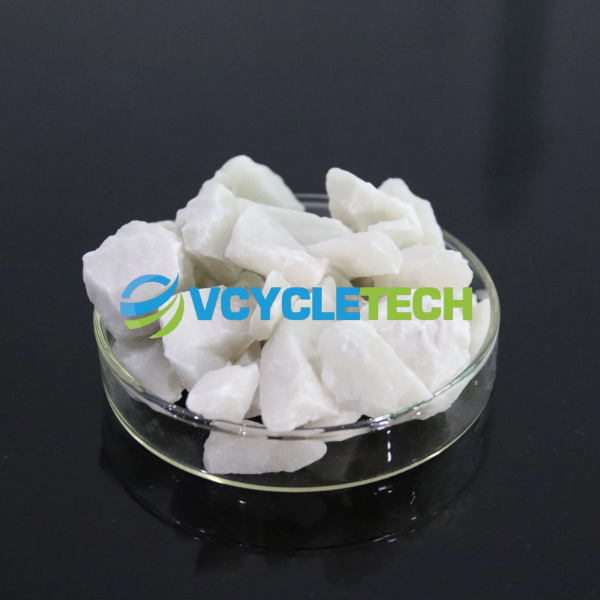
Aluminum Sulphate
TL;DR Start with coagulation and solids-separation selection and wastewater or sludge source and variability. Compare the proposed grade specification and supply requirements before requesting a quotation.
Aluminum Sulphate — Discuss Aluminum Sulphate for coagulation and solids-separation selection. Start with wastewater or sludge source and variability and ph, alkalinity, salts, solids and oil. Check the offered grade specification and include the intended application when requesting a quotation.
For a Aluminum Sulphate enquiry, include wastewater or sludge source and variability and ph, alkalinity, salts, solids and oil, together with the current treatment or formulation. Use the offered grade documents and a representative comparison to decide the next step.
Discuss the grade and application
For Aluminum Sulphate, start with coagulation and solids-separation selection.
Selection inputs
- Wastewater or sludge source and variability
- pH, alkalinity, salts, solids and oil
- Mixing sequence and separation equipment
- Liquid quality, captured solids and operating stability
Documents and supply
Identify the proposed grade, required quantity, packaging and destination. Ask which specification, TDS, SDS and batch-document options apply to that offer.
Technical documents · Company certificate scopes
Request a quoteCoagulants & Flocculants · Application selection · Related technical decision
Product Description
- CAS No.: 10043-01-3
- Other Names: ALUMINIUM SULPHATE
- MF: Al2(SO4)3, Al2(SO4)3
- EINECS No.: 233-135-0
Introduction
Water Decoloring Agent is an essential component in the water treatment process for industrial and residential use. It helps to reduce or eliminate color, turbidity, suspended solids, and other impurities from our water supply. This agent plays a vital role in keeping our water clean and safe for consumption. By decolorizing the water, we can ensure that any contaminants present have been removed before they can cause health risks.
Features
Water Decoloring Agent is usually composed of natural ingredients like activated carbon, bentonite clay, or diatomaceous earth. It works by combining the particles that cause discoloration and binding them until they become too heavy to remain suspended in the water stream. This allows them to settle out at the bottom of the tank or basin, where they are filtered out. The decoloring agent also helps to ensure that any residual odor caused by these particles is eliminated.
Applications
The most common application for Water Decoloring agents is for industrial wastewater treatment. This includes waste from manufacturing processes such as paper production, dyeing of fabrics, food processing, and printing facilities. It can also be used in residential settings where colored tap water can be an issue due to staining from iron or other metals in local groundwater sources. Additionally, it can be used on recreational water sources such as lakes and rivers to keep them clean and clear for swimming.
Specification:
| Product name | Aluminum sulfate | |
|---|---|---|
| Content | 0.17 | |
| Application | Water treatment | |
| CAS | 10043-01-3 |
Related products
Related products