Product Details
- Phosphonates Antiscalant & Corrosion Inhibitor
- Salts of Phosphonates
- Polycarboxylic Antiscalant and Dispersant
- Biocide and Algicide
- Corrosion Inhibitors & Oxygen Scavengers
- Reverse Osmosis Chemicals
- Built Scale & Corrosion Inhibitors and Pretreatment Filming Agents
- Cationic Surfactant
- Swimming Pool Chemicals
- Coagulants and Flocculants
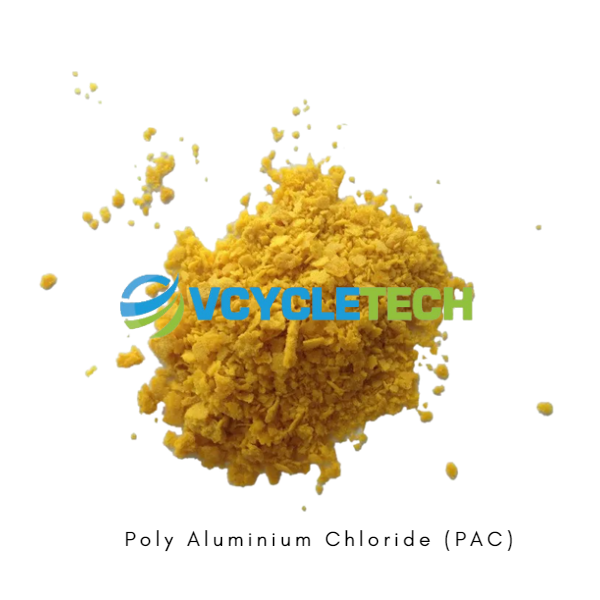
Poly Aluminium Chloride (PAC)
TL;DR Start with coagulation and solids-separation selection and wastewater or sludge source and variability. Compare the proposed grade specification and supply requirements before requesting a quotation.
Poly Aluminium Chloride (PAC) — Discuss Poly Aluminium Chloride (PAC) for coagulation and solids-separation selection. Start with wastewater or sludge source and variability and ph, alkalinity, salts, solids and oil. Check the offered grade specification and include the intended application when requesting a quotation.
For a Poly Aluminium Chloride (PAC) enquiry, include wastewater or sludge source and variability and ph, alkalinity, salts, solids and oil, together with the current treatment or formulation. Use the offered grade documents and a representative comparison to decide the next step.
Discuss the grade and application
For Poly Aluminium Chloride (PAC), start with coagulation and solids-separation selection.
Selection inputs
- Wastewater or sludge source and variability
- pH, alkalinity, salts, solids and oil
- Mixing sequence and separation equipment
- Liquid quality, captured solids and operating stability
Documents and supply
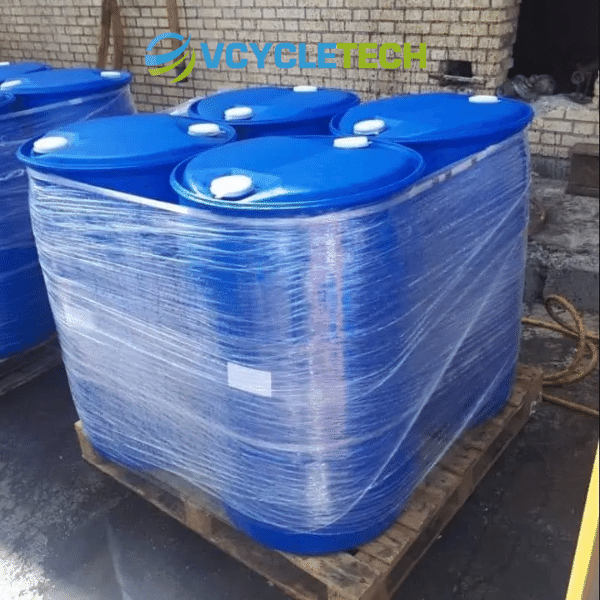
Identify the proposed grade, required quantity, packaging and destination. Ask which specification, TDS, SDS and batch-document options apply to that offer.
Technical documents · Company certificate scopes
Request a quoteCoagulants & Flocculants · Application selection · Related technical decision
Product Description
Introduction
Poly Aluminium Chloride (PAC) is a unique and effective solution for water treatment. It comprises several elements, including aluminium, chlorine, hydrogen, and oxygen, that combine to create an off-yellow-colored product with superior clarification capabilities. The compound’s effectiveness depends on its basification levels; higher degrees correspond to a greater ability to clarify water. In this article, we will discuss the features of PAC and its various applications and answer some of the most commonly asked questions.
Features
The most prominent feature of PAC lies in its versatility, as it can be used in a wide range of water treatment processes. Its use dates back to the 1950s, when it was first applied to treat industrial wastewater. Nowadays, poly aluminum hydroxy chloride sulfate is used in many ways, such as drinking water or wastewater treatment from industrial sources. Additionally, PAC has been proven highly economical due to its low cost compared to other competing products and does not pose any major harm to the environment or public health. This makes it an ideal choice for many businesses and households who require effective water treatment solutions without risking their financial resources or environmental safety standards.
Applications
One main area where Poly Aluminium Chloride (PAC) is employed is during drinking water purification processes since it aids in removing impurities such as suspended solids, turbidity, and organic matter from natural drinkings water sources such as rivers or lakes. Furthermore, PAC has also been found useful for resolving issues with color and taste stemming from certain compounds present within these waters – including iron compounds like ferrous sulfate or ferric chloride, which can give an unpleasant taste if left untreated – by removing them before they reach the consumers’ taps. Other areas where PAC has proven beneficial include treating swimming pools by decreasing their pH levels while simultaneously boosting clarity and hygiene standards, treating sewage systems by providing better control over biological reactions, as well as aiding industries in meeting municipal effluent limits set by local governments concerning pollutant concentrations in liquid wastes discharged into waterways.
Specification:
| Properties | Guarantee Value | Typical Value |
|---|---|---|
| Alumina (Al2O3) Content % | ≥29 | 30.15 |
| Basicity % | 40-90 | 83.9 |
| Water Insoluble % | ≤1.5 | 0.3 |
| PH Value (1% Solution) | 3.5-5.0 | 3.8 |
| Description | Yellow Powder | |
Related products
Related products