Product Details

Facebook
LinkedIn

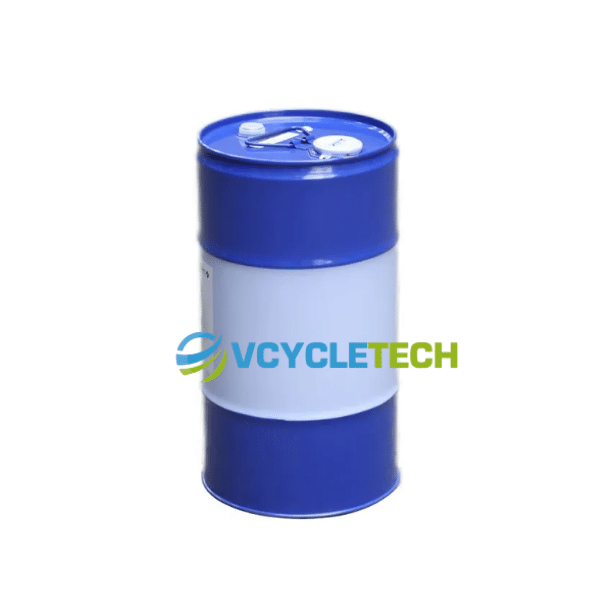
WT-260 Acid Detergent for RO Membrane

TL;DR Start with RO antiscalant or cleaning-product selection and membrane model and oem requirements. Compare the proposed grade specification and supply requirements before requesting a quotation.

WT-260 Acid Detergent for RO Membrane — Discuss WT-260 Acid Detergent for RO Membrane for RO antiscalant or cleaning-product selection. Start with membrane model and oem requirements and feed/concentrate analysis and recovery design. Check the offered grade specification and include the intended application when requesting a quotation.

For a WT-260 Acid Detergent for RO Membrane enquiry, include membrane model and oem requirements and feed/concentrate analysis and recovery design, together with the current treatment or formulation. Use the offered grade documents and a representative comparison to decide the next step.

Discuss the grade and application

For WT-260 Acid Detergent for RO Membrane, start with RO antiscalant or cleaning-product selection.

Selection inputs

  • Membrane model and OEM requirements
  • Feed/concentrate analysis and recovery design
  • Foulant or scale evidence
  • Pretreatment, feed points and current chemicals

Documents and supply

Identify the proposed grade, required quantity, packaging and destination. Ask which specification, TDS, SDS and batch-document options apply to that offer.

Technical documents · Company certificate scopes

Request a quote

Product Description

Introduction:

Features:

One of the most popular features of WT-260 Acid Detergent for RO Membrane is its compatibility with diluent pH levels ranging from 3.0 – 4.0. This makes it easier to mix the liquid chemical each time while also ensuring that the product remains efficient in removing unwanted particles from the membrane. As a result, this solution is perfect for any water treatment needs. Additionally, this product boasts a low foam formula, ensuring that the cleaning process is not hindered by bubbling foam or other debris particles in the cleaning solution. Furthermore, WT-260 can be reused multiple times without diminishing its efficiency in eliminating unwanted particles from your membranes.

Applications:

WT-260 Acid Detergent for RO Membranes is perfect for water treatment involving reverse osmosis (RO) membranes. This product helps clean out unwanted particles such as hydroxide scale, calcium carbonate deposits, colloidal silica, and other buildups that can reduce membrane performance over time. In addition, this liquid chemical also helps extend the life of your RO membranes by preventing them from getting clogged with dirt or other contaminants that could potentially damage them over time. Moreover, this product is also great at breaking down organic compounds such as proteins or carbohydrates before they can cause any damage to the membrane’s surface.

Specification:

Items Index
Appearance Colourless to pale yellow transparent liquid
pH (1% water solution) 2.0-3.0
Density (20℃)g/cm3 1.05min
Storage temperature Not lower than -10℃

Consult Us Now for Water Treatment Chemical Solutions

We’re Always Here To support

We’re Always Here To support

Request a quote

WT-260 — Frequently Asked Questions (FAQ)

What is WT-260 Acid Cleaning Detergent used for?

WT-260 is an acid cleaning detergent that removes scale, rust and mineral deposits from cooling systems, heat exchangers and membranes during offline chemical cleaning.

What is the recommended dosage of WT-260?

WT-260 Acid Cleaning Detergent is typically dosed at per cleaning procedure. The exact dose depends on water quality, temperature and the overall treatment program — VCYCLETECH provides a tailored dosing recommendation.

What should I include in a WT-260 Acid Detergent for RO Membrane enquiry?

For RO antiscalant or cleaning-product selection, include membrane model and oem requirements; feed/concentrate analysis and recovery design; foulant or scale evidence; pretreatment, feed points and current chemicals. State the proposed grade or specification, quantity, packaging and destination so the product and commercial requirements can be compared.
Scroll to Top
Request a quote