


Molecular formula: CO(NHNH2)2
CAS No. 497-18-7
Molecular weight: 90.09
Molecular structure:

Properties:
Carbohydrazide has several applications in many industries. As a fuel, it produces immense amounts of heat when burned and is thus used as an ingredient for jet and rocket fuel. For the prevention of corrosion damage in water boiler feed systems and heating systems, carbohydrazide serves as an oxygen scavenger.
It also finds use as a reducing agent for recovering precious metals, as a polymerization catalyst and chain extender in urethane coatings, and as an auxiliary in the photographic industry.
Additional uses include its utilization as an intermediate for pharmaceuticals, stabilizers, water treatment chemicals, and agrochemicals such as dyes or flame retardants. In recent years hydrazine has been applied to LCDs (Liquid Crystal Displays) to produce faster thin-film transistors.
Specification:
| Items | Index |
|---|---|
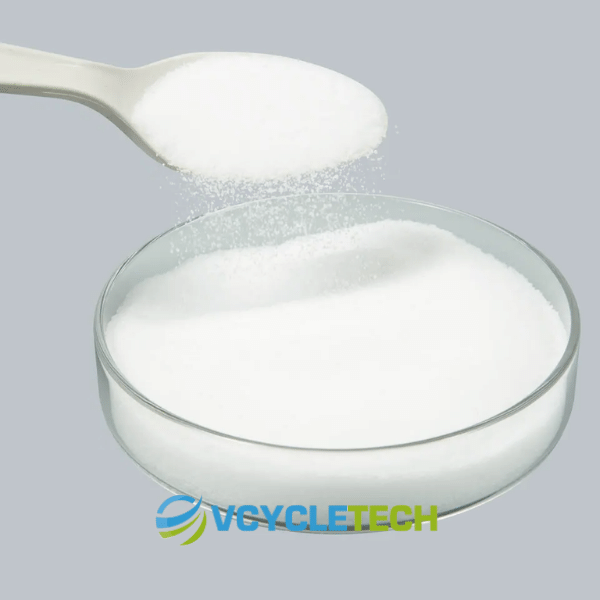
| Appearance | White crystal powder |
| Purity, % | 98.0min |
| Free hydrazine, ppm | 500.0max |
| Moisture, % | 0.2max |
| pH(12% water solution) | 7.2-9.7 |
Carbohydrazide Usage:
Carbohydrazide is often used as a de-oxidant in boilers and should be put into water or used in its water solution with a dosage of 0.5mol or more per 1mol of oxygen for best results. The ideal temperature range for this reaction is 87.8-176.7°C (190.04-350.06°F). When reacted with oxygen, the resulting substances are nitrogen, water, and carbon dioxide.
Package and storage:
Carbohydrazide should be stored and packaged in tightly sealed containers, away from direct sunlight and any sources of heat or humidity. To ensure safe handling and long shelf life, the container should be stored at temperatures lower than 25°C (77°F) and kept dry.25 kg/bag, 25 kg/fiber drum, customers’ requirements—storage for one year in a dark room and dry place.
Synonyms:
Hydrazine, 1,3-Diaminourea; Carbonic Dihydrazide


Related products