
Product Description
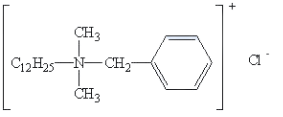
Benzalkonium Chloride (BKC / DDBAC, Dodecyl Dimethyl Benzyl Ammonium Chloride, also known as BKC-1227) is a quaternary-ammonium cationic surfactant and non-oxidizing biocide. Combining dual biocidal and detergency properties, it is highly effective against bacteria, algae, fungi and enveloped viruses at exceptionally low ppm concentrations. BKC also offers dispersing and penetrating action, with the advantages of low toxicity, no toxicity accumulation, ready water solubility, convenient use and stable performance unaffected by water hardness. It is widely used for disinfection in the hospital, livestock and personal-hygiene sectors, and as an anti-mildew, antistatic, emulsifying and conditioning agent in textile and dyeing applications.
- CAS No.: 8001-54-5 / 63449-41-2 / 139-07-1
- Molecular Formula: C21H38NCl
- Molecular Weight: 340.0
- Synonyms: Benzalkonium Chloride; BKC; DDBAC; Lauryl Dimethyl Benzyl Ammonium Chloride
Structural Formula
Applications
| Industry | Application |
|---|---|
| Oil & Gas | Pipeline corrosion inhibitor; prevents formation of sulphurous gases; de-emulsifier / sludge breaker for enhanced oil recovery. |
| Detergent-Sanitisers | Combines microbicidal and detergency properties for soil penetration and disinfection — ideal for personal-hygiene, hospital, livestock and food & dairy hygiene products. |
| Pharmaceuticals & Cosmetics | Preservative in topical and ocular products; optimises emolliency and substantivity. |
| Food & Beverage | Non-toxic, non-corrosive, non-tainting cleaner-sanitiser for dairy, fisheries, food storage tanks, slaughterhouses, bottling plants, breweries, catering and cold-storage plants. |
| Polymer & Coatings | Anti-static agent, emulsifier and preservative in paints, wood treatment and electronics coatings. |
| Chemical Industry | Precipitant, phase-transfer catalyst, emulsifier / de-emulsifier and intermediate. |
| Water Treatment | Biocide and algaecide in water & effluent treatment formulations and for swimming pools. |
| Aquaculture | Water treatment, site disinfection, fish-parasite removal and disease prevention in fish & shellfish, reducing antibiotic use. |
| Timber Protection | Biodegradable fungicidal and algaecidal wood preservative replacing chlorinated biocides. |
| Pulp & Paper | Microbicide for slime control and odour management; improves paper strength and antistatic properties. |
| Textile | Moth repellent and permanent retarder in the dyeing of acrylic fibres with cationic dyestuffs. |
| Leather | Inhibits mould and mildew on hides; aids leather softening, wetting and dyeing. |
| Horticulture & Household | Effective against mould, mildew, moss, fungi and algae for cleaning greenhouses, roofing, paths, wooden decking, sheds and masonry. |
Specifications
| Item | Grade I (≈50%) | Grade II (≈80%) |
|---|---|---|
| Appearance | Colorless to pale-yellow transparent liquid | Light-yellow transparent liquid |
| Active content (%) | 48.0 – 52.0 | 78.0 – 82.0 |
| Amine salt (%) | 2.0 max | 2.0 max |
| pH (1% aqueous solution) | 6.0 – 8.0 | 6.0 – 8.0 |
Usage & Dosage
As a non-oxidizing biocide, a dosage of 50–100 mg/L (ppm) is recommended; as a sludge / slime remover, 200–300 mg/L is preferred, with an appropriate organosilicon antifoam added for this purpose. BKC can be combined with other biocides such as isothiazolinones, glutaraldehyde or dithiocyanomethane for a synergistic effect, but must not be used together with chlorophenols. In circulating cooling water, if sludge appears after dosing, filter or blow it off promptly to prevent deposition in the collection basin. Do not blend BKC with anionic surfactants.
Packaging & Storage
Supplied in 25 kg or 200 kg plastic drums, or as required by the customer. Store in a cool, dry, shaded place; shelf life is two years. OEM / private-label packaging is available.
Safety
BKC has a slight almond odour and causes no visible irritation to skin under normal handling. In case of contact, flush with water. Please refer to the SDS for full handling and protection guidance.
FAQs About Benzalkonium Chloride
1) What is Benzalkonium Chloride (DDBAC)?
Answer: Benzalkonium Chloride (also known as Dodecyl Dimethyl Benzyl Ammonium Chloride or DDBAC) is a powerful biocide and disinfectant used widely in industrial water treatment applications due to its broad-spectrum sterilization abilities, low toxicity level, solubility in water and compatibility with varying hardness levels present within different water systems such as those used for agricultural irrigation purposes or for drinking water supplies at homes and businesses alike among other contexts where effective biocidal control and disinfection are important concerns to consider from a health safety standpoint among others which may be relevant depending on the specific context(s).
2) What are the main features of Benzalkonium Chloride?
Answer: The main features offered by DDBAC include broad-spectrum sterilization abilities; low toxicity level; solubility in water; compatibility with different types/levels of hardness; dispersion/penetration properties; deodorizing capabilities; protection against corrosion via inhibition technology, among potentially other advantages depending on the specific application context(s) involved at any given time(s).
3) What type of applications can benefit from using benzalkonium chloride?
Answer: Applications where effective biocidal control or disinfection services are desired, such as those found within the industrial sector, including various uses related to wastewater management practices and agricultural irrigation purposes, among others, depending on context(s).
4) Is benzalkonium chloride safe for humans?
Answer: Yes! DDBAC has been classified as safe for human use according to its low toxicity level, which eliminates any health concerns associated with contact or ingestion precluding any risks posed due to potential accumulation over time within humans exposed directly or indirectly through food chain sources associated with adding to that depending on particular cases at hand as well as individual sensitivity thresholds among other factors worth considering when assessing safety questions related to it accordingly moving forward at all times while striving towards maximum protection outcomes across all relevant contexts involved throughout any given period(s).
5) How long does benzalkonium chloride last?
Answer: The exact duration depends on several variables, including local conditions such as temperature levels, among others, but typically speaking, benzalkonium chloride should remain active within treated areas between 3 months up to 2 years before requiring additional reapplication based upon periodic monitoring results assessed thereupon accordingly at all times when assessing overall effectiveness thereof moving forward always striving towards optimal protection outcomes under all circumstances applicable therein.
Get the complete biocide and algicide solution



Related products


