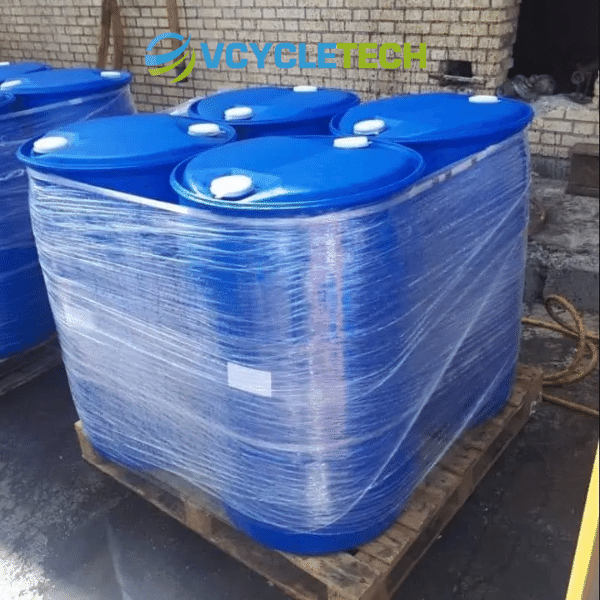
Product Details

Facebook
LinkedIn

Trichloroisocyanuric Acid (TCCA)

TL;DR Start with microbiological-control candidate selection and open or closed system and intended use. Compare the proposed grade specification and supply requirements before requesting a quotation.

Trichloroisocyanuric Acid (TCCA) — Discuss Trichloroisocyanuric Acid (TCCA) for microbiological-control candidate selection. Start with open or closed system and intended use and planktonic versus attached-growth evidence. Check the offered grade specification and include the intended application when requesting a quotation.

For a Trichloroisocyanuric Acid (TCCA) enquiry, include open or closed system and intended use and planktonic versus attached-growth evidence, together with the current treatment or formulation. Use the offered grade documents and a representative comparison to decide the next step.

Discuss the grade and application

For Trichloroisocyanuric Acid (TCCA), start with microbiological-control candidate selection.

Selection inputs

  • Open or closed system and intended use
  • Planktonic versus attached-growth evidence
  • pH, temperature, demand and contact conditions
  • Materials, other chemicals and local requirements

Documents and supply

Identify the proposed grade, required quantity, packaging and destination. Ask which specification, TDS, SDS and batch-document options apply to that offer.

Technical documents · Company certificate scopes

Request a quote

Product Description

Structural Formula:

Trichloroisocyanuric Acid (TCCA)

CAS NO. 87-90-1
HS NO:2933.6922
Molecular formula: C3N3O3Cl3
Molecular weight: 232.44

Properties:

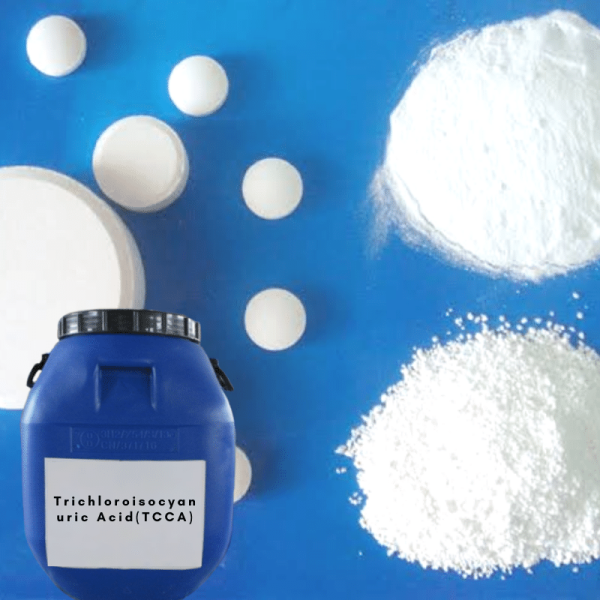
TCCA is usually sold in solid granular form which can be an economical choice when compared to liquid alternatives. In addition to being an easy-to-use sanitizer that delivers fast results with minimal effort, its effectiveness continues even when mixed with dust and dirt particles.

TCCA is also very soluble in water which makes it an ideal option for use in water tanks and pools while still being able to provide quick disinfection without leaving any irritating residues on surfaces or fabrics. Furthermore, it does not corrode metals or other materials like many other sanitizers do which makes it a great choice for long-term use.

Applications

TCCA is suitable for use both indoors and outdoors due to its versatility and user-friendly features. It can be used on hard surfaces such as kitchen countertops or floors as well as on soft surfaces like sheets and towels without causing any damage or discoloration. It can also be used on laundry machines and dishwashers after each cycle to keep them germ-free.

In terms of water sanitation applications, this compound can be used in swimming pools and aquariums to ensure good quality of the water while keeping algae blooms at bay. It is also widely used for disinfecting drinking water tanks since it does not affect the pH balance of the water nor does it leave any irritating residuum behind like some other products may do.

Specification

Items Index
Available chlorine 90% min
pH (1%water solution) 2.7~3.3
Moisture 0.5% max

Consult Us Now for Water Treatment Chemical Solutions

We’re Always Here To support

We’re Always Here To support

Request a quote

TCCA Applications

TCCA is a high-efficiency chlorine disinfectant and algaecide with about 90% available chlorine, supplied as granules, powder or tablets.

  • Swimming-pool and drinking-water disinfection
  • Cooling-water microbial control
  • Industrial bleaching and sanitation

Dosage & Feed Guidance

ApplicationTypical dosage
Pool disinfection1–3 ppm free available chlorine
Cooling-water microbial controlshock / slug dosing per microbial load

Slow-dissolving tablets give stabilized, sustained chlorination. Maintain the target free-chlorine residual for your application. VCYCLETECH provides a tailored dosing program on request — email sales@vcycletech.com.

Find the right product for your application

Compare Trichloroisocyanuric Acid (TCCA) with the treatment objective and operating conditions of your water or process system. Include the industry, water characteristics, current treatment, target, required quantity, packaging and destination in your enquiry so the relevant available grades can be identified and quoted.

Discuss your application and request a quote →

TCCA — Frequently Asked Questions (FAQ)

What is Trichloroisocyanuric Acid (TCCA) used for?

TCCA is a high-efficiency chlorine disinfectant and algaecide with about 90% available chlorine. It is used for swimming-pool and drinking-water disinfection, cooling-water microbial control, industrial bleaching and sanitation. It is supplied as granules, powder or tablets.

What is the recommended dosage of TCCA?

For pool disinfection TCCA is dosed to maintain about 1–3 ppm free available chlorine; for cooling-water microbial control it is shock- or slug-dosed according to the microbiological load.

What is the difference between TCCA and SDIC?

TCCA and SDIC are both chlorinated isocyanurate disinfectants. TCCA has higher available chlorine (about 90%) and slow dissolution, ideal for stabilized, sustained chlorination (tablets). SDIC (about 56–60%) dissolves quickly at near-neutral pH, ideal for fast or emergency disinfection.

What should I include in a Trichloroisocyanuric Acid (TCCA) enquiry?

For microbiological-control candidate selection, include open or closed system and intended use; planktonic versus attached-growth evidence; ph, temperature, demand and contact conditions; materials, other chemicals and local requirements. State the proposed grade or specification, quantity, packaging and destination so the product and commercial requirements can be compared.

Related guide: Cooling Tower Water Treatment: Chemicals & Dosage Guide

Related guide: Cooling Tower Water Treatment: Chemicals & Dosage Guide

Scroll to Top
Request a quote