



Retention aids help keep fine particles, fillers and other furnish components in the paper sheet during formation. The treatment may use polymer bridging, charge-related interactions or a combined program. Better retention must be balanced with drainage and sheet formation: increasing flocculation does not automatically improve all three. Choose the actual grade and addition sequence for the furnish and machine, rather than assigning one polymer to every paper grade.
By VCYCLETECH Technical Team · Revised 2026-10-30
How the treatment works
The forming fabric and developing fiber mat retain some solids mechanically. Fine particles also depend on surface interactions and the chemical program. In polymer bridging, different portions of an adsorbed chain can attach to separate surfaces. Charge neutralization and charged patches describe other interactions; these mechanisms should not be collapsed into a claim that every retention chemical simply makes every fiber positive.
The treatment sequence matters. Cationic or anionic PAM may be considered within a suitable system, while a microparticle program combines components rather than relying on a charge label alone. Supplier portfolios demonstrate several different program types. Compare the exact offered grade; suppliers’ proprietary programs and results have separate scopes.
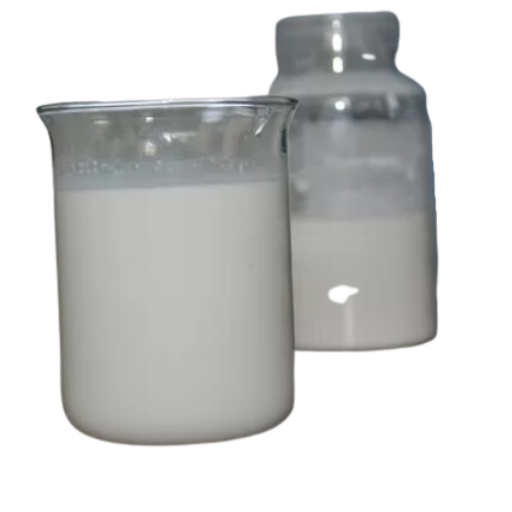
Separate the neighboring papermaking jobs
Retention, charge control, wet strength and sizing have related process interactions but different primary purposes. Keep the operating question explicit when comparing products. A specification for the correct material is more useful than treating every paper chemical as an interchangeable retention aid.
For example, PAE is the actual wet-strength enquiry route in the VCYCLETECH catalog. The PAM page provides a separate product route for a supported polymer-grade enquiry. Use the grade documents and the mill comparison to confirm charge density, molecular structure and suitability.
| Job | What to compare |
|---|---|
| Retention | Fine/filler capture with drainage, formation and actual sheet quality |
| Charge control or fixation | The relevant dissolved/colloidal material, charge observations and addition sequence |
| Wet strength | The resin, furnish, drying and actual wet-strength measurement |
| Sizing | Resistance to wetting/water penetration on the actual sheet; a separate test from oil resistance |
Balance the result across the machine
Large flocs can increase local retention while worsening sheet uniformity. Drainage also involves more than the early release of free water. Read the initial drainage response together with later dewatering, formation and the sheet-quality measurements that matter to the grade.
Keep changes in furnish, filler, white-water circulation, pH and other additions in the comparison. A laboratory result addresses the material and conditions tested; a continuous paper-machine result also includes process timing and normal variability. Avoid turning one favourable result into a fixed dose, machine-speed improvement or cost-saving promise.
Connect a sample to a meaningful comparison
Identify the furnish and collection point, sample condition, preparation, mixing and intended addition sequence before screening a candidate. Preserve the current program as a reference and control the proposed change. Select the measurements before seeing the result so that retention, drainage, formation and product quality are considered together.
Use the existing wet-end trial-acceptance guide for the detailed evaluation. If the main trigger is changing conductivity or anionic demand, use the dedicated water-chemistry guide instead. This page explains what retention aids do; it does not replace those distinct operating investigations.
Related products and operating guides
PAM product and grade enquiry · PAE wet-strength resin · Paper-chemical catalog
Wet-end trial acceptance metrics · Changing wet-end conductivity and anionic demand
Discuss the furnish and required grade
Frequently asked questions
Are retention aids and wet-strength resins the same?
They have different primary jobs. A retention program controls fine-particle retention and related drainage/formation behavior. PAE is a wet-strength resin; specify the wet-strength requirement separately when evaluating retention.
Are all fixatives anionic?
No. Charge-control and contaminant-fixation programs often use cationic materials. The required charge, composition and addition sequence must be identified from the furnish and process task.
Does more flocculation always improve sheet formation?
No. Large fiber flocs can make the sheet less uniform. Compare retention with drainage, formation and the required sheet properties before accepting a change.
Can anionic PAM be a retention-aid candidate?
Yes, in a suitable program with appropriate surface conditions and other additions. Choose the exact grade and sequence using the actual furnish and machine comparison.
What should a mill send with a PAM enquiry?
State the paper grade, furnish and filler, current water and charge-related observations, existing additions, trial objective and machine constraints. Include the actual grade/sample reference and the measurements used to judge the result.


