
Cooling Tower Legionella & Microbial Control
TL;DR Cooling towers are warm, wet, aerated and nutrient-rich — ideal for bacteria, algae and biofilm, including Legionella, the bacterium that causes Legionnaires' disease and can spread in the drift aerosol. Control it with a consistent biocide program (an oxidizing base plus alternated non-oxidizing biocides), rigorous biofilm control, a clean well-maintained system, and routine monitoring against a written water-management plan.
Why cooling towers grow microbes
An open cooling tower provides everything microbes need — water at 25–45 °C, oxygen, sunlight and nutrients scrubbed from the air. Left uncontrolled, bacteria, fungi and algae multiply and build biofilm (slime) on surfaces, which fouls heat transfer, drives under-deposit and microbiologically influenced corrosion, and shelters pathogens.
The Legionella risk
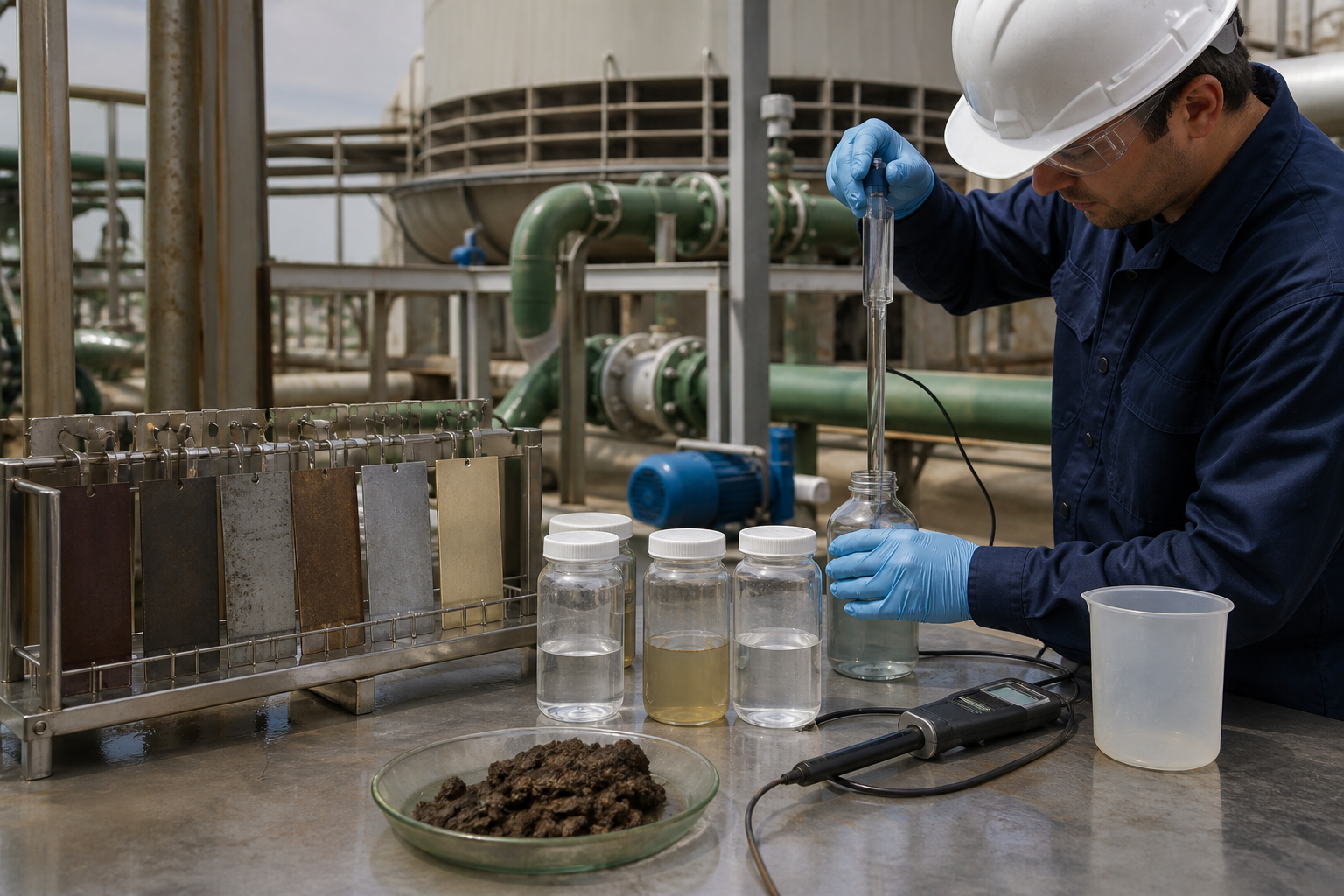
Legionella pneumophila thrives in warm water and biofilm and is dispersed in the fine drift aerosol a tower emits; inhaling it can cause Legionnaires' disease, a serious pneumonia. Cooling towers are a recognized source of outbreaks, so microbial control is a safety obligation, not just an efficiency matter — managed under written plans and standards (e.g., ASHRAE 188, WHO and national cooling-tower codes).
Biocide program: oxidizing + non-oxidizing
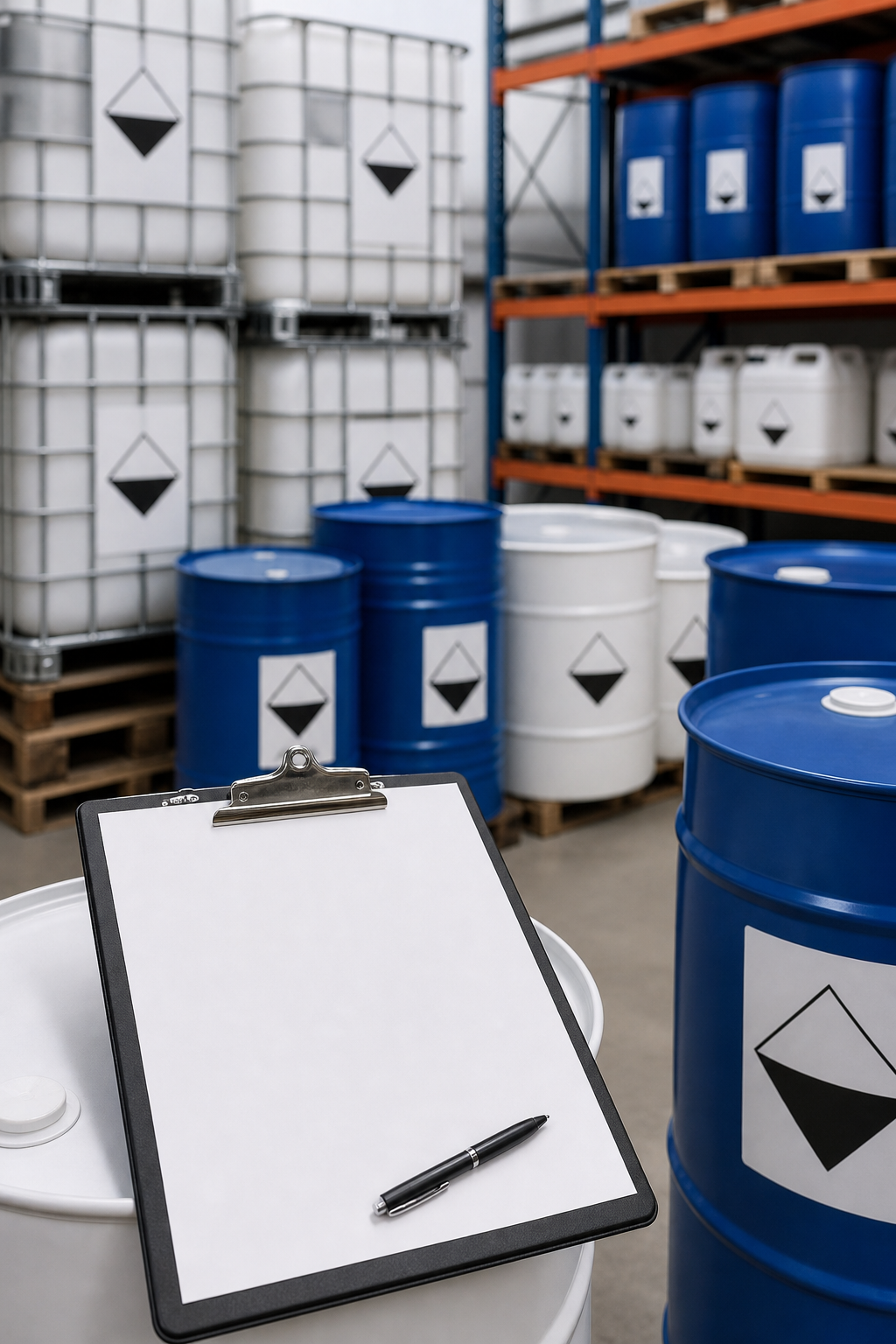
Effective control uses a layered program:
- Oxidizing biocide (base): chlorine, bromine, TCCA or SDIC maintain a continuous low residual that kills planktonic organisms.
- Non-oxidizing biocides (rotated): glutaraldehyde, isothiazolinone, BKC, DBNPA and THPS are slug-dosed and alternated to penetrate biofilm, kill sulfate-reducing bacteria and prevent resistance.
Biofilm is the real battleground
Legionella and MIC live in biofilm, which shields microbes from oxidizers, so penetrating and removing biofilm is central. Use a biodispersant/biofilm program with the biocides, keep scale and deposits down (they harbor biofilm), and physically clean the tower on a schedule. A clean surface lets biocides actually reach the organisms.
Monitoring and good practice
- Monitor total bacteria (dip slides), and test for Legionella per your risk assessment; keep an oxidant residual and control ORP.
- Follow a written water-management plan (e.g., ASHRAE 188): risk assessment, control limits, monitoring, corrective actions.
- Eliminate stagnation and dead legs, maintain drift eliminators, and clean/disinfect on shutdown and start-up.
Biocides for cooling tower microbial control
| Class | Examples | Role | Notes |
|---|---|---|---|
| Oxidizing | Chlorine, bromine, TCCA, SDIC | Continuous base kill | Maintain residual/ORP |
| Non-oxidizing | Glutaraldehyde, isothiazolinone, BKC, DBNPA, THPS | Biofilm & SRB (slug) | Alternate to avoid resistance |
| Biodispersant | Biofilm dispersants | Penetrate/remove biofilm | Dose with biocide |
Watch
Frequently asked questions
Why do cooling towers grow Legionella?
Cooling towers hold warm (25–45 °C), oxygenated, nutrient-rich water and build biofilm on surfaces — ideal conditions for Legionella pneumophila. The tower also emits a fine drift aerosol that can carry the bacterium into the air, which is why cooling towers are a recognized source of Legionnaires' disease and require active microbial control.
How do you control Legionella in a cooling tower?
Use a layered biocide program: an oxidizing biocide (chlorine, bromine, TCCA or SDIC) for a continuous residual, plus rotated non-oxidizing biocides (glutaraldehyde, isothiazolinone, BKC, DBNPA, THPS) to penetrate biofilm. Combine with biofilm/biodispersant control, scale and deposit control, physical cleaning, and monitoring under a written water-management plan (e.g., ASHRAE 188).
Why is biofilm so important for Legionella control?
Legionella and corrosion-causing bacteria live inside biofilm, which physically shields them from oxidizing biocides. Unless the biofilm is penetrated and removed — with non-oxidizing biocides, biodispersants and good deposit control — biocide dosing treats only the free-floating organisms and the risk persists. Biofilm control is central to microbial and corrosion control.
What is the difference between oxidizing and non-oxidizing biocides for towers?
Oxidizing biocides (chlorine, bromine, TCCA, SDIC) are the continuous base treatment, maintaining a residual that kills free-floating organisms but is consumed by system load. Non-oxidizing biocides (glutaraldehyde, isothiazolinone, BKC, DBNPA, THPS) are slug-dosed and rotated to penetrate biofilm and kill sulfate-reducing bacteria that oxidizers miss.
Does VCYCLETECH supply cooling tower biocides?
Yes. VCYCLETECH supplies oxidizing disinfectants (TCCA, SDIC) and non-oxidizing biocides (glutaraldehyde, isothiazolinone, BKC, DBNPA, THPS) plus biofilm dispersants for cooling-tower microbial and Legionella control, factory-direct in China with current COA information on request and OEM/ODM. Email sales@vcycletech.com.
About the manufacturer
VCYCLETECH is a China-based manufacturer of water treatment chemicals — cooling-water scale & corrosion inhibitors, phosphonates, dispersants, biocides, coagulants and defoamers — ISO 9001 / 14001 / 45001 certified, with current COA information on request and OEM/ODM service. See our quality & certifications.
References
Related: Biocides & algicides · TCCA · Glutaraldehyde · Cooling water treatment · Cooling tower guide