
Paper / Process · buyer decision guide
Wet-Strength Broke Return: Decide When PAE-Treated Paper Can Re-enter the Furnish
When PAE-treated wet-strength paper becomes broke, decide its return path from the actual sheet history and the condition of the repulped stock—not from a fixed broke percentage. Separate wet-end from dried or aged broke, identify the grade and resin history, then compare pulper discharge, screen rejects, visible flakes and the stock entering the machine. A batch that disperses in a laboratory vessel may still release persistent flakes or disturb white-water chemistry when returned continuously. First change segregation, residence, mechanical treatment or return location where evidence points there. Revisit the PAE program only when the wet-strength requirement and a representative return trial show a real trade-off. The purchase decision may concern equipment, process control or a documented resin grade; no universal repulping aid, dose or recovery guarantee follows from the PAE name.
TL;DR
Trace each wet-strength broke stream from generation and storage through pulping, screening, blending and the machine chest. Wet trim, freshly dried sheet, aged rolls and coated or converted broke are not interchangeable. Measure intact flakes and screen rejects as well as apparent pulp consistency; compare white-water solids, deposits, formation, sheet defects and the wet-strength requirement during a controlled return. If the stream is physically unsuitable, isolate or redirect it before changing chemistry. If an eligible stream returns but resin history or wet-end interactions remain suspect, request the current PAE grade documents and run a bounded mill trial. A generic PAE product listing does not establish that a particular broke stream can be recovered.
Start with the broke stream, not a resin adjustment
“Broke” describes paper that has not become a saleable product, but it does not describe a uniform material. Wet-end trim often resembles fresh furnish. Dried paper has already developed a different network, while stored wet-strength rolls may have had more time for resin cure. A coated or converted grade can carry pigments, adhesives, sizing and other substances that change both the mechanics of repulping and the water returned with the fibers. Label each source at the machine, reel, winder and finishing line. Keep its age, storage conditions, paper grade, PAE identity and likely return point with the sample. This source map prevents a strong result for fresh wet trim from being misapplied to aged wet-strength rolls.
At the same time, define the actual need. A mill may be trying to avoid disposal, reduce visible specks, stabilize a paper grade or reclaim fiber without sacrificing wet strength. Those are different endpoints. If the run needs persistent wet strength, lowering resin usage solely to ease broke recovery may change the saleable product. If the issue is occasional white specks, a mechanical screen or segregated return can be a more direct first trial than a resin change. The EU JRC pulp-and-paper reference notes that wet and dry broke differ and that each machine's return system is specific; it is context, not an operating instruction for this mill.
Record the current path before changing it: pulper and chest identity, temperature, consistency and residence as observed, screen or deflaker configuration, rejects handling, blend ratio, addition point and the delay to the headbox. Use the mill's own limits and safety rules. Do not infer a safe maximum return rate from a single successful hour. If a grade change coincides with the problem, compare the exact timing of broke generation and return to the sheet-defect and white-water trends. Our general broke-return event guide covers source/timing diagnosis across foam and deposits; this guide narrows the decision to PAE-treated wet-strength broke and its physical repulpability.

Judge repulping by what reaches the screen and sheet
Look for surviving pieces
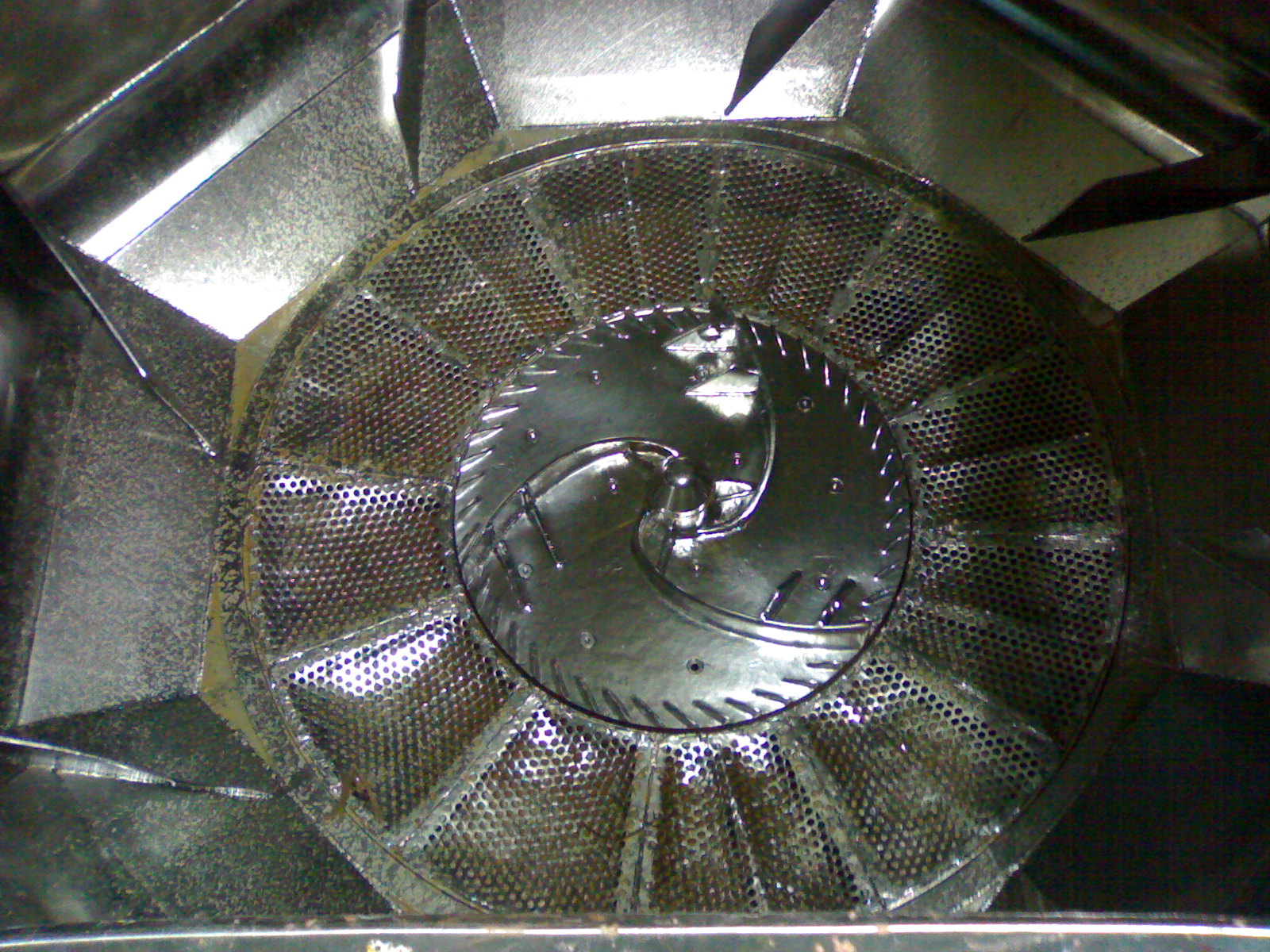
Some wet-strength pieces swell but do not split into usable fibers under a particular pulper condition. A slurry can appear pumpable while retaining flakes that a coarse sample or a small laboratory jar misses. Use consistent sampling at pulper discharge, after the relevant deflaker or screen, and at the machine chest. Record retained material on a defined screen, visible specks, wet-strength fragments and fiber loss with the same method each time. Photograph representative rejects with scale and label the source. Do not report a convenient “percent repulped” unless the measurement and denominator are clear.
Mechanical conditions matter. A change in residence, shear, temperature or consistency may improve disintegration, but each has equipment and fiber-quality costs. Valmet's broke-system overview distinguishes easier wet-end slushing from dry-end and coated broke that can require deflaking or screening. It does not establish a universal rotor, energy or time target. If the stock requires severe treatment, compare the resulting fines, drainage and sheet properties rather than treating fewer flakes as a complete success.
Keep chemistry and mechanics separate
PAE resins are chosen to retain strength after wetting, so difficult repulping is plausible. The strength that a customer values can be the same mechanism that complicates internal recycling. An original laboratory study linked tested PAE wet strength to repulpability under its specific conditions. Its numbers do not transfer to another furnish, resin grade or pulper. Treat a chemical or oxidant proposal as a separate safety, fiber, effluent and equipment decision; this article does not recommend a repulping chemical.
When the issue follows only one grade, maintain matched control samples from the same paper age. If all grades show new flakes, investigate the pulper, screen and sampling system before blaming a PAE grade. If the fragments disappear after a mechanical change but sheet formation or white-water load worsens, the process may have exchanged one failure for another. Observe both sides of the trade-off.
| Observed pattern | First check | Next decision |
|---|---|---|
| Fresh trim disperses; aged dried rolls leave flakes | Separate grade, drying and storage history; screen both with one method. | Segregate or change aged-roll treatment; do not generalize the fresh-trim result. |
| Pulper discharge looks uniform; screen rejects or sheet specks rise | Track fragments across deflaking, screen and machine chest. | Correct mechanical or return node before changing resin. |
| Flakes fall but fines and white-water solids rise | Compare drainage, solids capture and formation against the same grade. | Rebalance treatment and return; flake count alone is insufficient. |
| Physical stock is acceptable; wet-end deposit or charge changes persist | Match resin history, broke fraction, white-water and addition points. | Run a controlled chemistry compatibility trial with a documented grade. |
| Wet-strength specification fails after resin reduction | Retest finished paper and customer-relevant wet-strength method. | Protect product requirement; review process route rather than assuming less PAE is better. |
Build a return trial that resembles the running machine
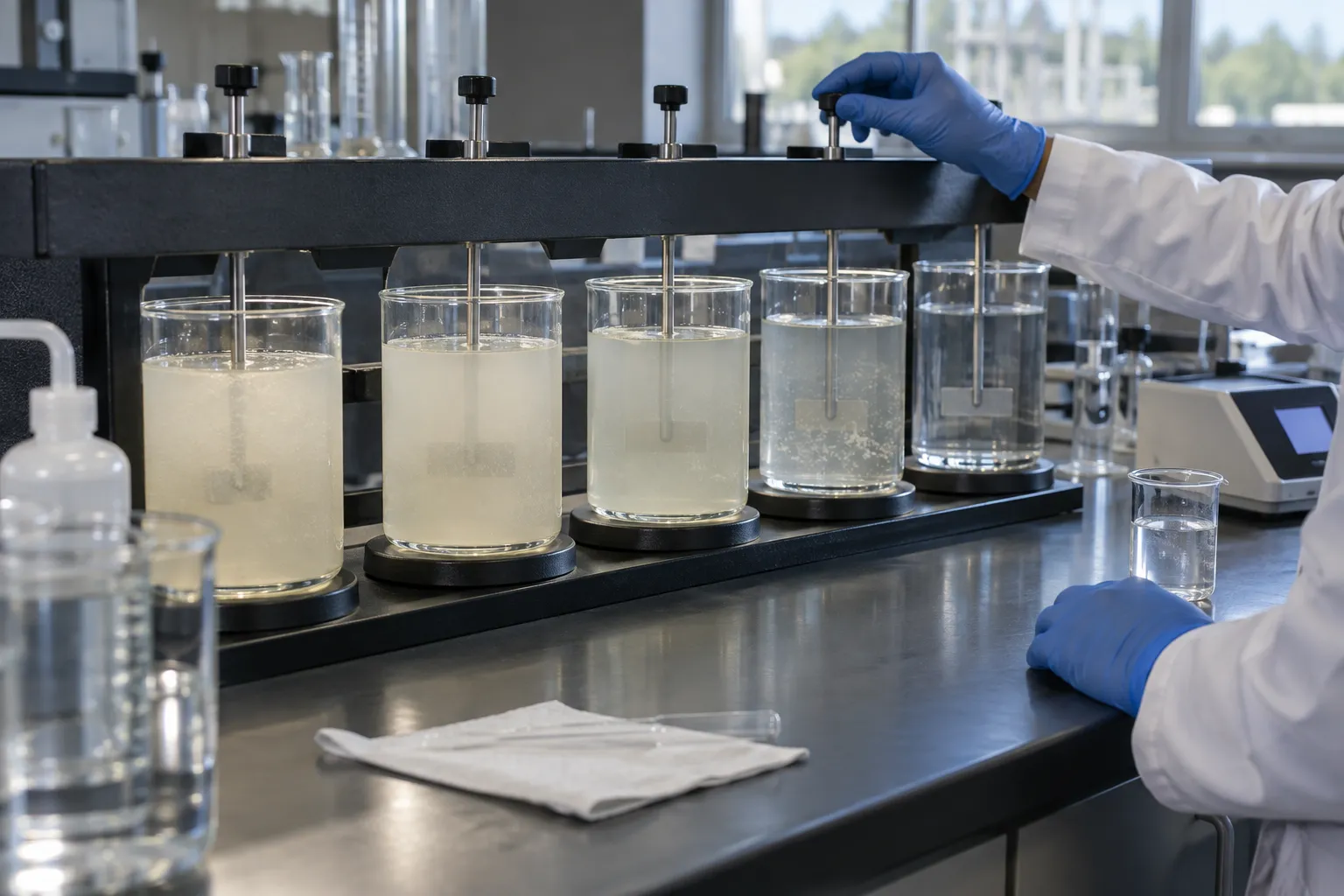
A laboratory screen can be useful for comparing candidate actions, but it cannot reproduce all of the machine's delays, shear, water loops and grade changes. Start with a controlled stream whose source and age are known. Keep a baseline before the change, then test one return-path change at a time: segregation, mechanical treatment, screening, controlled blending or return location. Log the actual mass or flow history rather than a nominal setting. Record when a new stock parcel should reach the machine and whether the shift in defects follows that time. A short run that ends before the return loop turns over cannot prove stable reuse.
Choose endpoints before the trial: pulper discharge fragments, screen reject character and fiber loss, white-water suspended solids and charge trend where relevant, formation, sheet specks, strength and runnability. For food-contact or other regulated paper, verify the intended-use and impurity requirements for the proposed grade with current documents and the applicable market; do not infer compliance from the generic product family. Keep samples from both accepted paper and rejects. A photograph of clean stock is persuasive only when the screen and sheet also agree.
If the stream is unacceptable, document what failed and where. If isolated wet-strength broke would be better handled by a dedicated circuit, the purchasing need may be screening or stock-preparation work, not more resin. If the physical return works but a chemical response changes, separate the influence of broke from fresh furnish, white-water composition and other additives. Our charge-demand guide helps separate changing ionic load from a titratable contaminant; it is not a repulping method.
Revisit PAE only with a defined paper and broke requirement
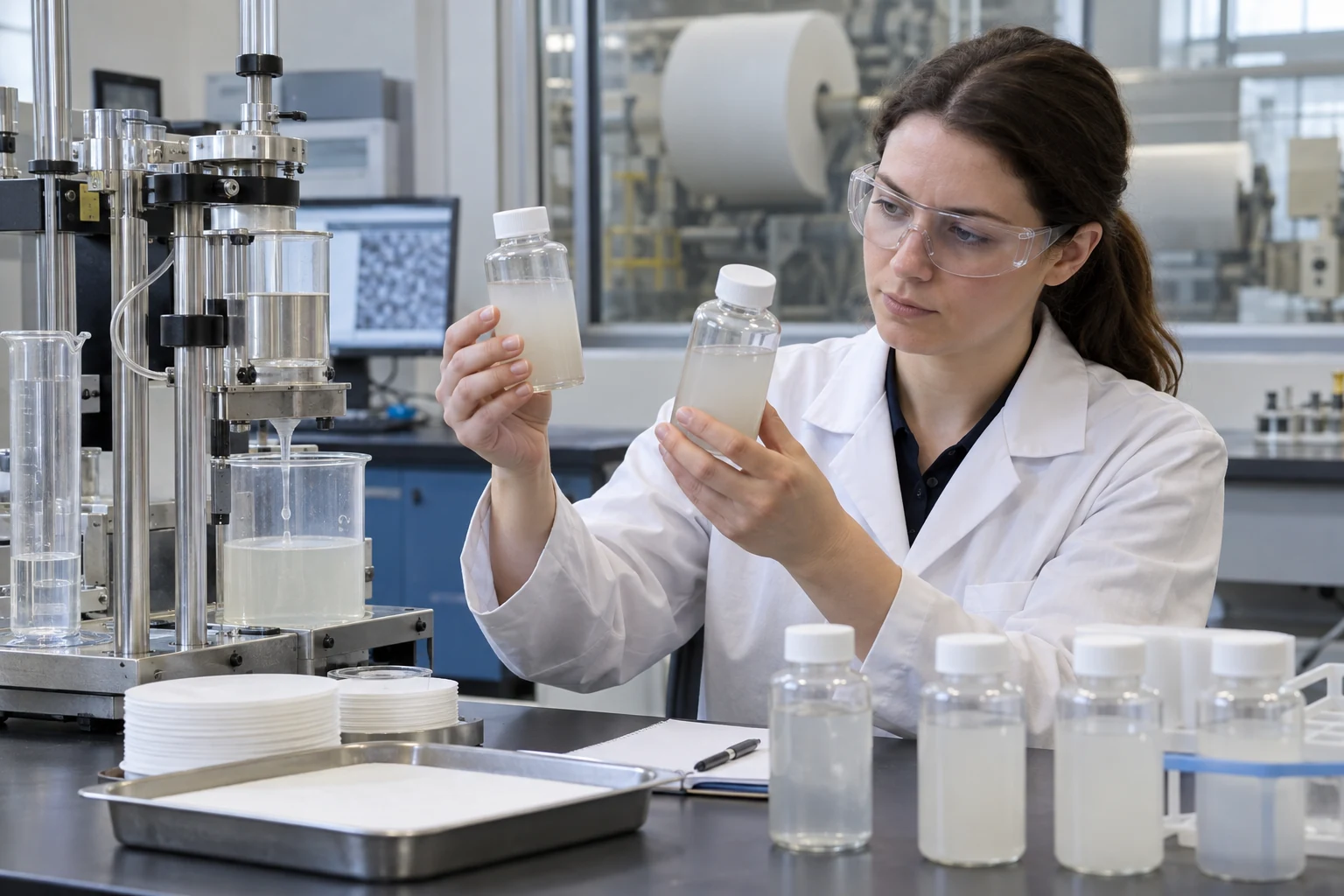
VCYCLETECH lists a PAE Wet Strength Agent within its Paper Chemicals category. This establishes a product-family discussion, not an offered grade's active content, impurity profile, storage life or suitability for the mill's furnish and market. Ask for the current grade TDS, SDS and relevant lot documentation. State the finished-sheet wet-strength target, test method, drying and aging history, stock composition, broke stream, planned addition location, equipment and water quality. If another resin grade is proposed, agree what would count as a real improvement: finished wet strength maintained, fewer return flakes or rejects, acceptable white-water and sheet trends, and no new grade-specific safety or compliance gap.
Do not adjust PAE from a single charge-demand number. Its retention and performance can be affected by furnish and water chemistry, while any mechanical treatment of cured broke can alter fibers. A trial should compare paper of matching age and basis weight, repeat actual wet-strength tests, and sample the corresponding broke return. A product that makes the sheet strong but cannot be handled by the existing broke system may be commercially wrong for that grade; a product that repulps easily but loses required wet strength may be equally wrong. The balance belongs to this mill's specifications and equipment.
Send a decision-ready technical inquiry
Contact the VCYCLETECH technical team with the paper grade, fiber and filler mix, PAE identity and current grade documents, wet-strength test method, drying and storage history, broke source and amount, pulper/screen arrangement, reject samples and photographs, white-water trends, finished-sheet defects, intended market and buying timeline. Specify whether the decision is about selecting a documented PAE grade, qualifying a return stream, or finding that the present stock-preparation path needs correction. The same information helps avoid recommending a chemical where process segregation is the stronger first step.
If the returned stream instead carries color into stock or white water, use the colored-broke shade-carryover decision to separate a source or blend correction from a water-treatment question.
Frequently asked questions
Can a clear-looking pulper discharge prove that PAE broke is reusable?
No. Compare retained flakes and screen rejects, fiber loss, white-water behavior and finished-sheet defects after the stream reaches the machine.
Why should fresh wet trim and aged dry broke be tested separately?
They have different drying, storage and resin-cure histories. A fresh-trim result cannot establish how an aged wet-strength roll will disintegrate.
Should the PAE dose be reduced when broke is difficult to repulp?
Not automatically. First verify the saleable paper's wet-strength requirement and the actual mechanical return route; a resin change must preserve the product specification.
Does a laboratory jar screen replace a mill return trial?
No. It helps rank options, but continuous screening, loop residence, grade changes, white-water accumulation and sheet quality need representative mill evidence.
What should be sent for a PAE-grade discussion?
Send the paper grade, furnish and water, wet-strength method, drying and broke history, stock-preparation path, rejects, current grade documents, intended market and trial endpoints.