
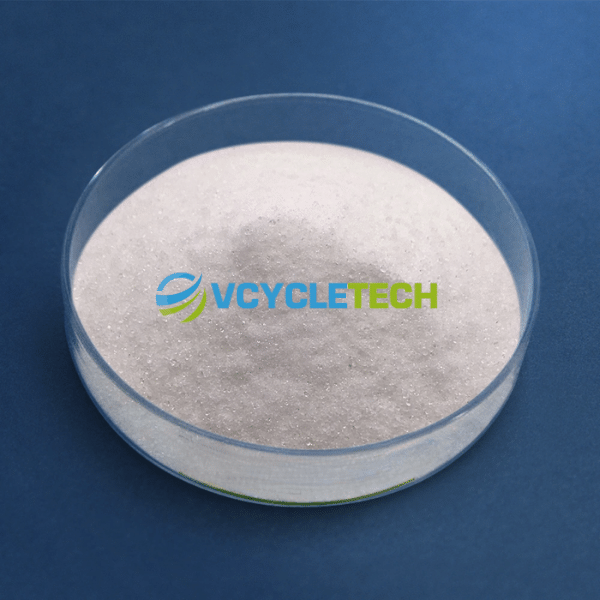
EDTMPA: Chelating Agent for Plating & Bleaching
TL;DR EDTMPA — ethylenediamine tetra(methylene phosphonic acid), CAS 1429-50-1 — is a solid, high-purity chelating agent (the phosphonate analog of EDTA) whose metal-ion binding, especially for copper, exceeds that of EDTA and DTPA. It is used as a complexing agent in non-cyanide electroplating, as a peroxide / oxygen-bleach stabilizer in textiles, and as a high-performance scale and corrosion inhibitor.
What is EDTMPA?
EDTMPA (also EDTMP) is a nitrogenous organic polyphosphonic acid — the phosphonate analog of EDTA — supplied as a white crystalline powder (melting point 215–217 °C). It has low water solubility (under ~5% at room temperature) but dissolves readily in ammonia and alkali, which suits the alkaline baths where it is used. Its sodium salt, EDTMPS, is the water-soluble liquid form for cooling-water dosing.

Chelation stronger than EDTA
EDTMPA has a very high capacity for chelating metal ions; its copper complex constant is the largest of any common chelating agent, including EDTA. Its overall chelating capacity exceeds EDTA and DTPA, so it can replace EDTA in almost any application where a stable, high-purity metal complex is needed.
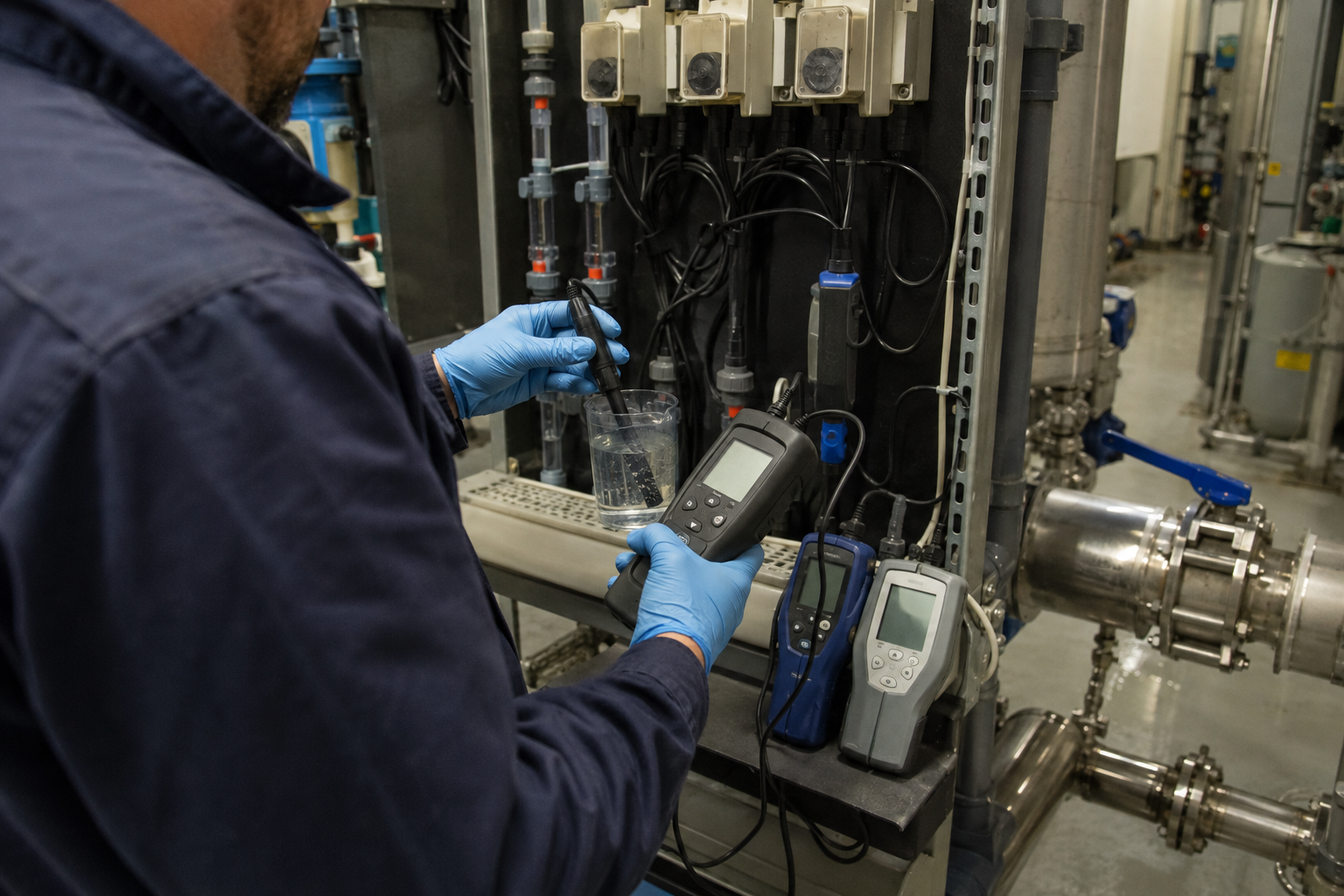
Applications of EDTMPA
- Non-cyanide electroplating — complexing agent that holds metal ions in solution, replacing toxic cyanide baths.
- Textile bleaching — peroxide / oxygen-bleach stabilizer that sequesters trace iron and copper so hydrogen peroxide does not decompose prematurely.
- Scale & corrosion inhibition — in circulating cooling water and boilers (usually as the EDTMPS salt).
- Oilfield formulations and specialty cleaning where a solid, high-purity phosphonate is required.
EDTMPA dosage & handling
As a chelating agent, EDTMPA is dosed in proportion to the metal-ion (or peroxide) load rather than at a fixed ppm; in scale control it is used at low ppm levels. Dissolve it in ammonia or alkali before use. The solid form is convenient to ship and store for export.
EDTMPA vs EDTA at a glance
| Property | EDTMPA | EDTA |
|---|---|---|
| Chemistry | Phosphonate (P-based) | Aminocarboxylate (COOH-based) |
| Metal-ion (Cu) chelation | Higher — largest Cu constant | High |
| Threshold scale inhibition | Yes (sub-stoichiometric) | Weak |
| High-temperature stability | Good | Lower |
| Form | Solid powder (+ EDTMPS liquid) | Solid / liquid |
Watch

Frequently asked questions
What is EDTMPA used for?
EDTMPA is a solid chelating agent used as a complexing agent in non-cyanide electroplating, as a peroxide/oxygen-bleach stabilizer in textile processing, and as a scale and corrosion inhibitor (usually as the EDTMPS sodium salt) in cooling water and boilers.
Is EDTMPA stronger than EDTA?
Yes — EDTMPA's chelating capacity exceeds EDTA and DTPA, and its copper complex constant is the largest among common chelating agents, so it can replace EDTA in most applications while also giving threshold scale inhibition.
Why is EDTMPA supplied as a solid?
EDTMPA is a white crystalline powder with limited water solubility that dissolves in ammonia/alkali. The solid, high-purity form is ideal for electroplating and textile baths and is convenient to ship and store; the water-soluble EDTMPS salt is used where a liquid is needed.
What is the difference between EDTMPA and EDTMPS?
EDTMPA is the acid (solid powder); EDTMPS is its sodium salt (water-soluble liquid). EDTMPS is used for cooling-water and boiler dosing where a ready-to-use liquid is preferred.
Is VCYCLETECH an EDTMPA manufacturer?
Yes. VCYCLETECH manufactures EDTMPA (solid) and EDTMPS factory-direct in China, ISO 9001/14001/45001 certified, with current COA information on request, sample availability and OEM/ODM service. Email sales@vcycletech.com for a quotation.
About the manufacturer
VCYCLETECH is a China-based manufacturer of water treatment chemicals — antiscalants, scale & corrosion inhibitors, coagulants, flocculants, biocides, dispersants and paper chemicals — ISO 9001 / 14001 / 45001 certified, with current COA information on request and OEM/ODM service. See our quality & certifications.
References
Related: EDTMPA product · EDTMPS · All phosphonates · EDTA alternatives