
Dry Strength vs Wet Strength Agents: Which for Paper?
TL;DR Use a dry-strength agent (cationic starch or polyacrylamide) to make dry paper stronger and stiffer — it builds fibre-to-fibre hydrogen bonds that dissolve away when wet. Use a wet-strength agent (PAE resin, or GPAM for temporary) when the paper must survive getting wet — it forms covalent crosslinks that hold. Tissue, towel, packaging and labels need wet strength; printing, board stiffness and general strength need dry strength. They solve different problems, and many furnishes use both.
The one question that decides it: does the paper get wet?
Both additive families make paper stronger, but by different chemistry, and the split is simple: dry-strength agents strengthen dry paper and give up that strength when soaked; wet-strength agents keep strength after wetting.
Dry-strength agents — hydrogen bonding
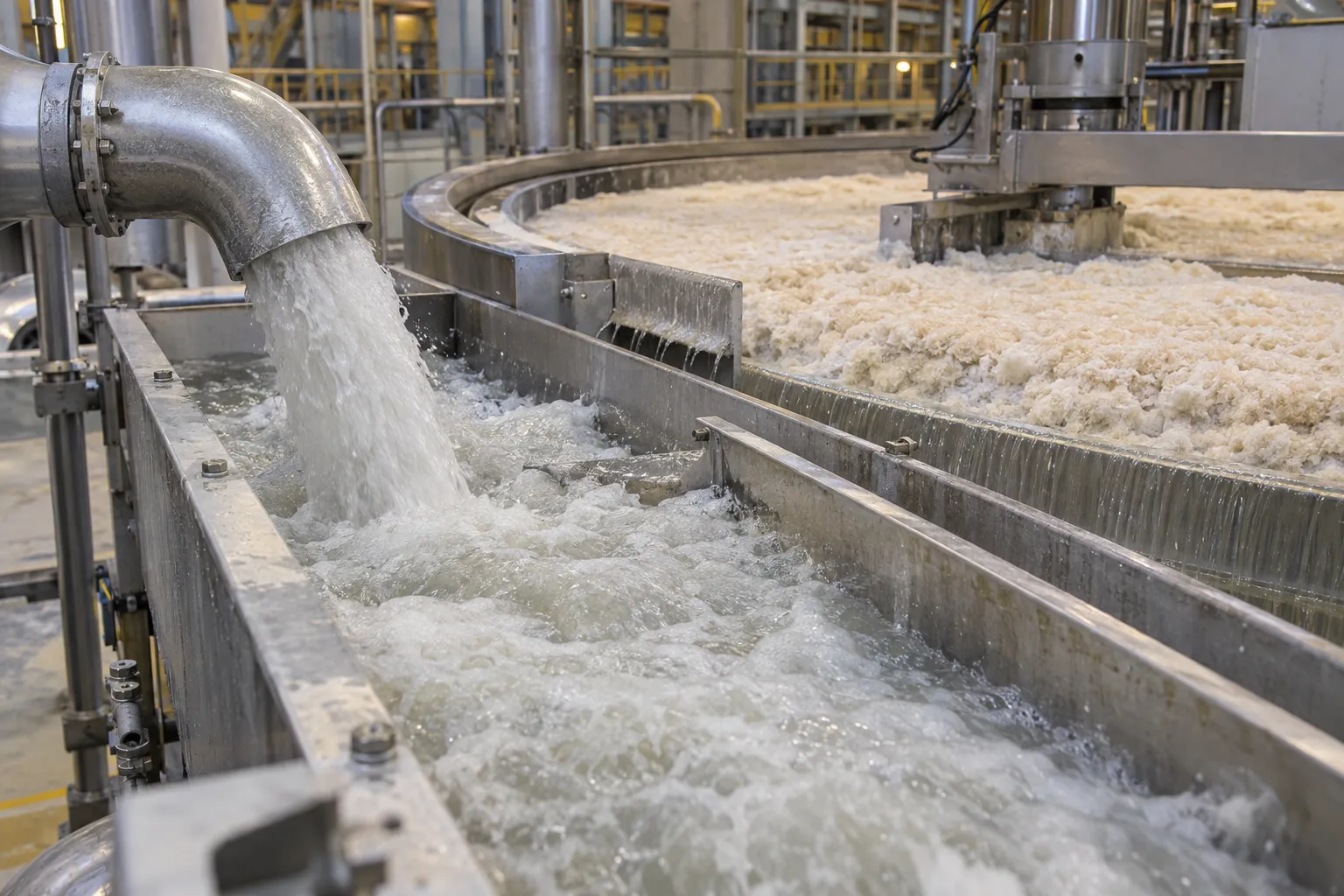
Dry-strength additives — cationic starch and polyacrylamide (PAM) types — raise dry tensile, burst and stiffness by improving fibre-to-fibre hydrogen bonding and electrostatic interaction. Crucially they form no irreversible crosslink, so the bonds release in water. They are the cost-effective route to better dry mechanical properties: printing and writing grades, board stiffness, reducing fibre cost at a given strength.
Wet-strength agents — covalent crosslinks
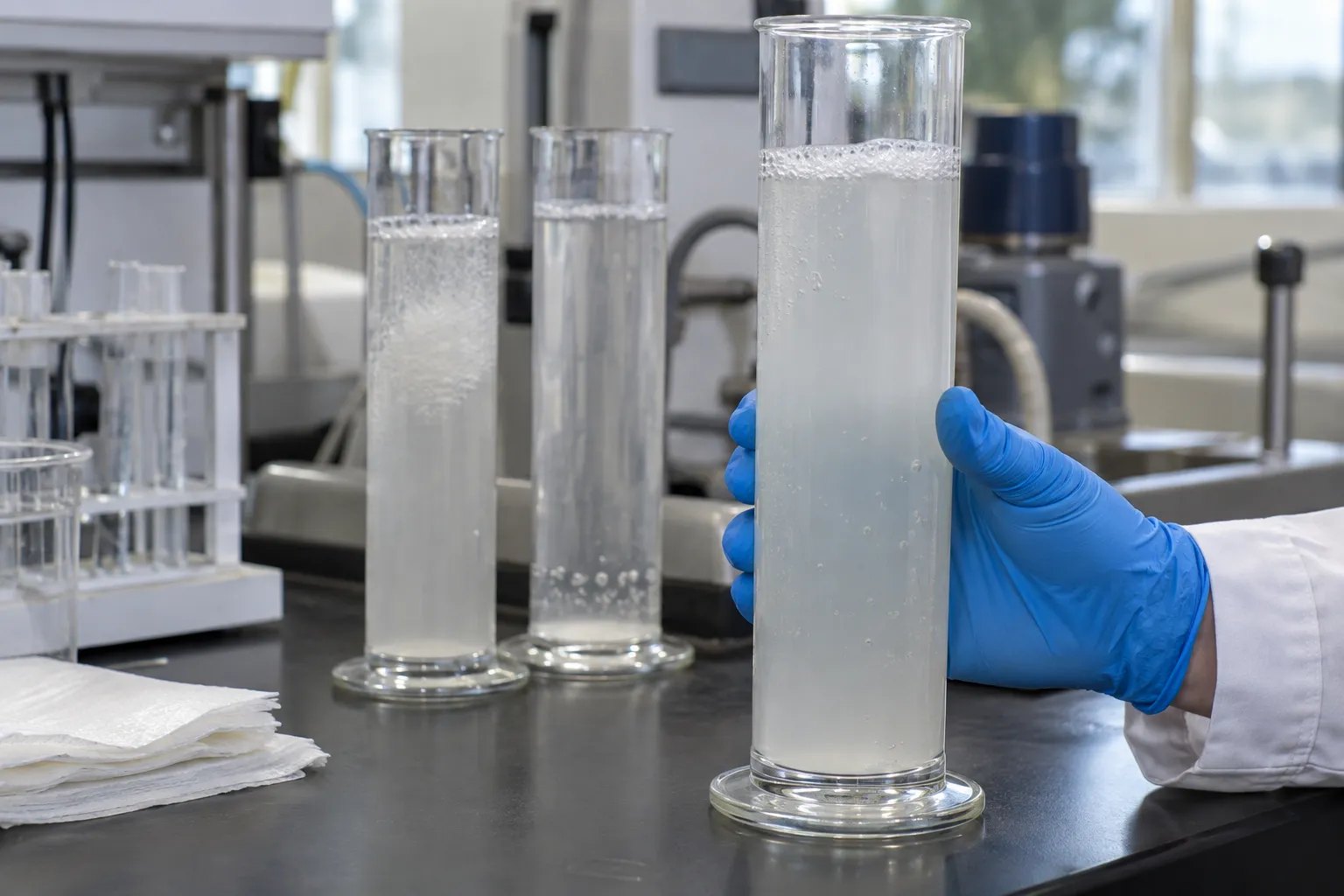
Wet-strength agents work by crosslinking. PAE (polyamideamine-epichlorohydrin) resin is by far the most common: its azetidinium groups form covalent bonds with the carboxyl groups on cellulose during drying, building a water-resistant network. PAE gives permanent wet strength — a sheet keeps most of its strength after prolonged soaking (wet-strength decay of only ~10–15% after 30 minutes in water). See our wet strength guide for the full chemistry.
Temporary vs permanent wet strength
Not all wet strength is meant to last. GPAM (glyoxylated polyacrylamide) reacts with cellulose hydroxyls via aldehyde groups to give temporary wet strength — ideal for tissue and disposable sanitary products that must be strong in use but disperse afterwards. The industry line: a permanent agent keeps >50% of its wet strength after 5 minutes wet; a temporary agent keeps about 50% or less. PAE = permanent; GPAM = temporary.
How to choose
- Dry paper, printing, stiffness, fibre saving → dry-strength (starch / PAM).
- Paper used or handled wet → wet-strength (PAE).
- Tissue / disposable that must disperse after use → temporary wet-strength (GPAM).
- Both dry runnability and wet integrity → many furnishes dose both.
Dry strength vs wet strength
| Property | Dry-strength agent | Wet-strength agent |
|---|---|---|
| Typical chemistry | Cationic starch, PAM | PAE resin; GPAM (temporary) |
| Bonding | Hydrogen bonds (reversible) | Covalent crosslinks |
| Strength when wet | Lost in water | Retained |
| Permanence | — | PAE permanent, GPAM temporary |
| Typical use | Printing, board stiffness, fibre saving | Tissue, towel, packaging, labels |
| Relative cost | Lower | Higher |
Watch

Frequently asked questions
What is the difference between dry strength and wet strength agents?
Dry-strength agents (cationic starch, polyacrylamide) increase the strength of dry paper through reversible fibre-to-fibre hydrogen bonds, which release when the paper is wetted. Wet-strength agents (PAE resin, GPAM) form covalent crosslinks that keep the paper strong even after it gets wet. One strengthens dry paper; the other makes paper water-resistant.
When should I use a wet strength agent instead of a dry strength agent?
Use a wet-strength agent whenever the paper must survive getting wet — tissue, paper towel, napkins, liquid packaging, labels and medical packaging. Use a dry-strength agent when the goal is dry tensile, burst, stiffness or saving fibre in printing, writing and board grades. Many furnishes use both for different reasons.
What is the difference between permanent and temporary wet strength?
A permanent wet-strength agent retains more than 50% of its original wet strength after at least 5 minutes of soaking; PAE resin is the standard, decaying only about 10–15% after 30 minutes. A temporary agent, such as GPAM, retains about 50% or less after 5 minutes — ideal for tissue and disposable sanitary products that must be strong in use then disperse.
Is PAE a dry or wet strength agent?
PAE (polyamideamine-epichlorohydrin) is the most widely used permanent wet-strength agent. Its azetidinium groups form covalent bonds with cellulose carboxyl groups during drying, creating a water-resistant network, which is why it is used in tissue, towel and packaging papers that must stay intact when wet.
Does VCYCLETECH supply paper strength chemicals?
VCYCLETECH lists paper dry-strength and wet-strength agents. Share your application, target grade, quantity, packaging and destination to request current TDS/SDS, a representative COA and sample options. Agree lot-documentation terms before ordering.
About the manufacturer
VCYCLETECH is a China-based manufacturer of water treatment and process chemicals — surfactants, biocides, coagulants and flocculants, phosphonates, dispersants and paper chemicals — ISO 9001 / 14001 / 45001 certified, with current COA information on request and OEM/ODM service. See our quality & certifications.
References
- Paper chemicals — Wikipedia
- Polyamide-epichlorohydrin (PAE) — Wikipedia
- Papermaking — Wikipedia
- PAE wet-strength agent: generations, application, performance — BioResources
Related: Wet strength agent (PAE) · Paper chemicals · Wet strength guide · Sizing agents · Dry strength agents: selection & dosage