
Comparison
PAM Powder vs Emulsion: A Procurement Comparison
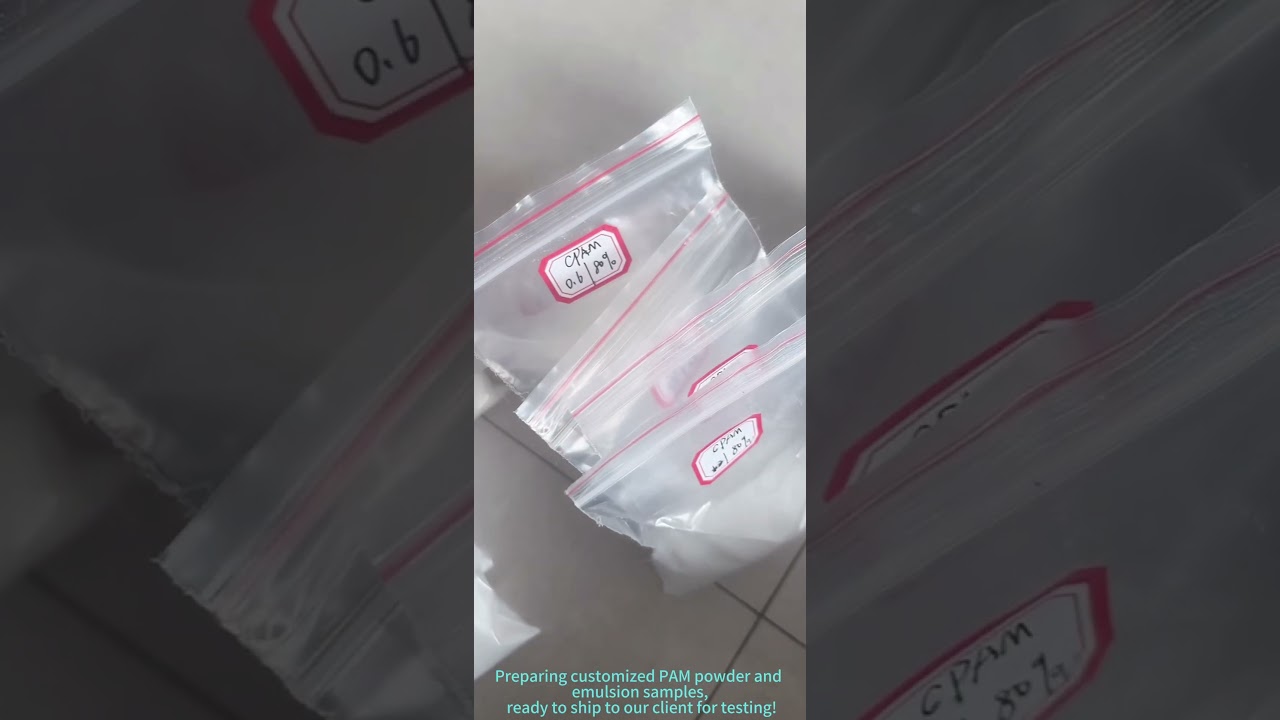
This comparison video places PAM powder and PAM emulsion samples side by side so buyers can recognize the physical forms and ask the right handling questions. The decision is not based on appearance alone. Powder requires controlled dry feeding, wetting and hydration; an emulsion requires the offered grade’s inversion, storage and pump-compatibility instructions. VCYCLETECH’s current product page documents powder grades with at least 90% solids, while an emulsion offer needs its own current TDS, SDS and COA. Compare representative-water performance, make-down equipment, shipped active material, storage and freight before selecting a form.
Watch on YouTube Published
What this video shows
Choose PAM powder or emulsion from the complete operating fit, not appearance alone. Powder can offer high shipped solids and requires controlled wetting and hydration; emulsion requires the offered grade's own inversion, storage and handling instructions. The video lets buyers compare the physical sample forms. The final choice should combine wastewater testing, make-down equipment, freight, storage conditions and current grade documents.
What the sample comparison contributes
The Short places the two physical forms side by side so a purchasing team can recognize what will arrive and ask better handling questions. Use the exact emulsion specification for formulation-specific active content, dissolution time and shelf life.
The current VCYCLETECH PAM product page documents powder grades—anionic, cationic and nonionic—with white granular appearance and solids of at least 90%. It is therefore the exact reference for the catalog powder, while an emulsion offer needs a separate current specification.
Decision table for a real purchase
| Decision point | Powder | Emulsion |
|---|---|---|
| Supplier evidence | Use the linked powder specification and sample COA. | Request the exact emulsion TDS, SDS and COA. |
| Make-down | Check dry feeding, wetting and hydration control. | Check inversion, dilution and pump compatibility for the offered grade. |
| Logistics | Compare shipped active material and bag handling. | Compare liquid packaging, temperature limits and freight. |
| Selection | Run the same water and performance targets against candidate grades. | |
Specify more than the product form
State the application, wastewater or sludge characteristics, desired charge type, current make-down system, maximum solution concentration, available maturation time and dosing-pump range. Ask the supplier to identify ionic character, molecular profile, solids, viscosity or flow information, storage conditions and packaging on the quotation.
A form comparison narrows plant handling choices; a representative jar test or dewatering trial determines whether the polymer grade actually fits the stream.
Compare landed operating fit
Create a worksheet for each candidate rather than comparing price per package. Include delivered mass, documented solids, packaging disposal, unloading method, storage space, make-down labor, dilution equipment, solution yield and the dose observed in the representative trial. Keep values tied to the supplier's current grade documents and quotation.
Also note failure modes. Powder handling may be limited by dust control, feeder range or inadequate hydration volume. An emulsion may be limited by temperature, inversion equipment, pump materials or storage instructions for that formulation. A technically workable grade with a clear operating plan can be a better purchase than a lower unit price that the site cannot prepare consistently.
Product and process details
These fields summarize the product, process or shipment context shown in the video and linked catalog.
| Field | Value | Source |
|---|---|---|
| Available catalog forms | Anionic, cationic and nonionic powder grades | Product page |
| Appearance | White granular powder | Product page |
| Particle diameter | <2 mm | Product page |
| Solids | ≥90% | Product page |
| Molecular-weight range | 2–18 million, depending on ionic type | Product page |
| Hydrolysis range | 5–60%, depending on ionic type | Product page |
PAM powder vs emulsion purchasing matrix
Confirm every emulsion value on the offered grade documents; the current linked catalog table covers powder.
| Decision point | Powder | Emulsion |
|---|---|---|
| Current site evidence | Catalog specification available | Request exact offer documents |
| Make-down | Dry feed, wetting and hydration | Inversion and dilution instructions |
| Handling | Bag and powder controls | Liquid package and pump compatibility |
| Freight comparison | Use shipped powder solids | Use offered active content |
| Final selection | Representative-water trial | Representative-water trial |
PAM form-selection flow
What should a PAM form enquiry specify?
Product form is one selection field; the application, ionic requirement and plant equipment complete the purchase brief.
- Wastewater or sludge characteristics
- Required ionic type or trial objective
- Existing make-down and dosing equipment
- Storage temperature and package constraints
- Required TDS, SDS, COA and sample quantity
Common questions
What does the PAM sample video establish?
It shows the physical difference between powder and emulsion samples for procurement discussion.
Which PAM form has a current VCYCLETECH product specification?
The linked product page currently documents anionic, cationic and nonionic powder grades.
Is powder always cheaper to use?
Compare shipped active material, freight, labor, make-down equipment and trial performance for the actual offers.
Does emulsion PAM require different preparation?
Use the exact emulsion grade’s inversion, dilution, storage and pump instructions.
How should buyers choose between the forms?
Run both candidate grades on representative water and compare performance with total handling and logistics fit.