
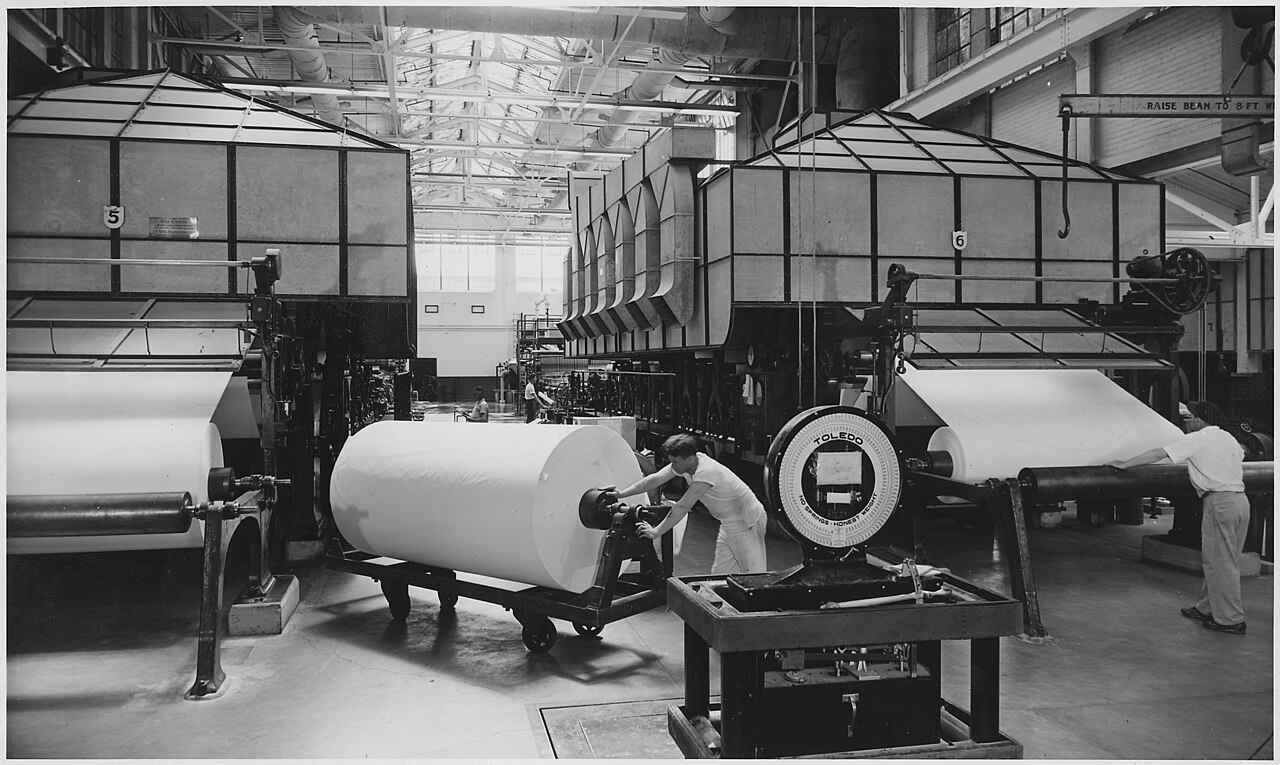
Controlling Anionic Trash (DCS) & Charge Demand
An anionic trash collector for paper is a high-charge cationic fixative selected against measured DCS/charge demand, not a universal dose recipe. In recycled furnish, dissolved and colloidal substances can consume cationic retention chemistry, increase white-water turbidity, promote deposits and cause runnability loss. Separate the source, measure the charge under controlled conditions, screen PAC/polyDADMAC/PEI, then verify retention, drainage and deposits on the actual machine.
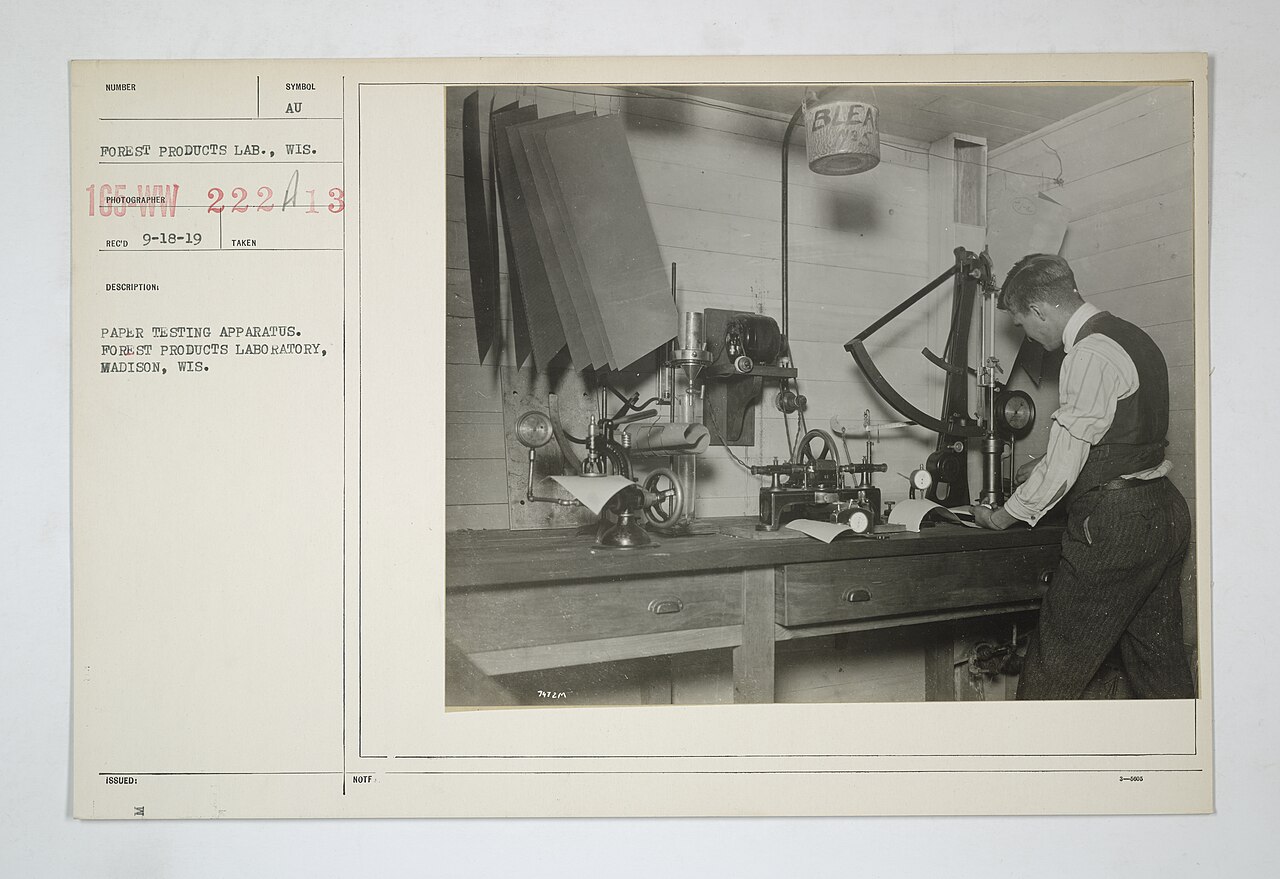
What is anionic trash in papermaking?
Dissolved and colloidal substances (DCS) are dissolved polyelectrolytes, dissolved compounds and very small suspended particles in the process water. The negatively charged portion is often called anionic trash. In recovered fiber, sources can include wood-derived carboxylates, resin and fatty acids, deinking residues, coating chemicals, dispersants, fines and additives carried in with coated broke.
The problem is not simply that DCS exists. The problem is that its amount and composition change, especially when a mill closes its white-water loop or changes recovered-fiber furnish. Anionic DCS can complex with cationic retention polymers before those polymers adsorb to fibers and fillers. The result may be lower first-pass retention, slower drainage, unstable sizing, deposits and more frequent breaks. That is why this page addresses charge chemistry and measurement, while the pitch and stickies troubleshooting guide owns deposit diagnosis.
How to diagnose DCS before selecting a fixative
Start with a sampling map rather than a product name. Sample the recovered-fiber furnish, filtrate or white water, coated-broke stream, machine chest and short circulation at consistent temperature, pH and time in the cycle. Record conductivity, pH, calcium, aluminum, dissolved/colloidal solids, turbidity, charge demand and the operating changes that occurred before the upset.
Streaming current and charge-demand boundaries
A streaming-current detector (SCD) or colloid titration answers a defined question: how much of a standard high-charge polyelectrolyte is required to reach the instrument endpoint under the test conditions? The number is method-dependent. Titrant normality, sample filtration, pH, ionic strength, temperature, mixing energy and whether the sample contains fibers or only filtrate all change the result.
Do not confuse charge demand with zeta potential. Charge demand is an amount of standard titrant per sample volume or mass; zeta potential is an electrical potential at a hydrodynamic slip plane. They can be related in a controlled test but are not interchangeable process measurements. A trend that rises after a furnish change is actionable; a single laboratory value is not a universal target or a direct kg/t prescription.
PAC vs polyDADMAC vs PEI as anionic trash catchers
| Fixative family | Primary action | Where it can fit | Control boundary |
|---|---|---|---|
| PAC / soluble aluminum | Hydrolysis, charge neutralization and destabilization of anionic colloids; chemistry depends strongly on pH, alkalinity and salts. | Acidic or neutral systems and streams where aluminum chemistry is compatible. | Check residual aluminum, pH shift, sizing/strength compatibility and deposit risk; do not copy a coagulant dose from wastewater treatment. |
| polyDADMAC | High-charge cationic neutralization and fixation of DCS onto fibers or retained solids. | Broad pH use, often useful for fast charge correction and coated-broke or short-loop sources. | Overfeed can reverse charge, hurt formation or consume downstream anionic additives; validate contact point and mixing. |
| PEI / polyamine | Low-molecular-weight, high-charge adsorption and patch fixation; calcium and ionic strength can change the response. | When strong DCS fixation is needed and the mill can control source, pH and compatibility. | Compare filtrate charge, zeta/formation, drainage and deposits; lab PEI response is not a guaranteed machine result. |
The mechanism is not “more cationic is always better.” A fixative should be fed where the largest DCS source can be intercepted, before the main retention aid but with enough contact and mixing to capture the target fraction. The correct product depends on charge density, molecular weight, pH, conductivity, calcium, furnish, shear history and the role of other additives. Use the paper-chemicals category as the procurement starting point, then request an application-specific screen.
DCS control workflow for a recycled-fiber machine
- Map the source. Compare furnish lots, coated broke, deinking chemistry, water closure and any recent process change.
- Standardize the measurement. Record SCD/titration method, titrant, endpoint, filtration, pH, conductivity, temperature and sample age. Trend like-for-like data.
- Screen the chemistry. Compare at several controlled additions in a jar or dynamic drainage test. Include downstream CPAM, starch, sizing and strength chemistry.
- Choose the feed point. Dose near the principal DCS source and before the main retention polymer only when the mixing and contact-time evidence support it.
- Verify machine response. Track charge, white-water turbidity, first-pass retention, drainage, formation, sizing, deposits, breaks and chemical residuals. Adjust one variable at a time.
Why lab charge values must not become a universal dose
A charge-demand result can be used to compare samples or estimate a starting window when the titrant and active charge of the candidate are known. It cannot replace a machine trial. A lab filtrate may exclude fibers, fillers or colloids that consume the product in the wet end; a machine has variable shear, residence time, dilution and additive order. Even the same DCS concentration may respond differently with calcium, conductivity and pH changes.
Use a documented trial sheet: sample identity, method, product active content, feed dilution, dose basis, feed point, mixing energy, machine speed, furnish, retention/drainage results, formation and deposits. The wet-end additive-order guide is the next internal reference when the charge correction changes the rest of the program.
Buyer checklist for a DCS fixative program
- Furnish composition, recycled-fiber source, coated-broke fraction and white-water closure.
- Charge-demand/SCD method, titrant normality, sample preparation, pH, conductivity, temperature and trend history.
- Candidate active chemistry, charge density, molecular-weight range, solids, pH, viscosity, density and storage conditions.
- Compatibility results with CPAM, cationic starch, sizing, strength agents, fillers, biocides and deposit-control chemistry.
- Trial plan covering feed point, dilution, mixing, dose basis, charge endpoint, drainage, retention, formation, deposits and break frequency.
- Current TDS, SDS and batch COA with lot traceability; do not accept a generic “paper mill dose” without water and furnish context.
For a broader retention overview, read what retention aids do. For a product and inquiry discussion, send the charge trend, furnish data and trial objective through the inquiry page.
Frequently asked questions
What is anionic trash in papermaking?
Anionic trash is the negatively charged dissolved and colloidal fraction of the paper process system. It can include wood-derived carboxylates, extractives, deinking and coating residues, fines and other recycled-fiber contaminants. It consumes cationic additives and can reduce retention, drainage, sizing stability and runnability.
How do you measure charge demand in a paper mill?
Use a standardized colloid titration or streaming-current method with a defined high-charge titrant, endpoint, sample preparation, pH, conductivity, temperature and mixing procedure. Filtered DCS water and whole pulp answer different questions. Trend comparable samples rather than treating one lab value as a universal machine target.
What does an anionic trash catcher do?
An anionic trash catcher is a high-charge cationic fixative that neutralizes or adsorbs negatively charged DCS, helping attach that fraction to fibers or other retained solids. PAC, polyDADMAC and PEI differ in how they work; compare them using your furnish, pH, conductivity, charge trend and downstream wet-end chemistry.
Is PAC better than polyDADMAC or PEI for DCS?
No chemistry is universally better. PAC changes with pH and alkalinity; polyDADMAC offers fast high-charge neutralization; PEI provides high-charge adsorption and patch fixation. Compare them in the actual furnish using charge trend, retention, drainage, formation, sizing and deposit observations, and check compatibility with the rest of the wet end.
Can a streaming-current result set the on-machine fixative dose?
It can inform a starting test window, but it cannot set a universal dose. The instrument endpoint depends on titrant, sample preparation and test conditions, while the machine adds shear, dilution, fibers, fillers and other charged chemicals. Confirm the feed point and dose with a controlled trial and production trend.
Who prepared this guide
VCYCLETECH Technical Team prepared this guide using the papermaking research cited below. If you are comparing fixatives, share your furnish mix, white-water charge trend and retention or drainage target so the technical discussion starts with your actual machine conditions.
References
- NCSU BioResources: DCS and charge-demand review
- NCSU BioResources: PEI and wet-end chemistry study
- NCSU BioResources: polyamine fixing-agent measurement study
- NCSU Hubbe Paper Chemistry: charge-control strategies
Related: Paper chemicals · Pitch and stickies deposit control · Wet-end additive order · Retention-aid guide