
Cooling Water · buyer decision guide
Closed-Loop Makeup or Leak: Recover Corrosion Control in the Right Order
After an unexpected makeup-water or leak event in a closed cooling loop, restore the physical system before treating one low inhibitor result as a chemical-selection problem. Identify and isolate the leak or unintended fill path, stabilize pressure and venting under the equipment procedure, then establish the replacement-water and loop composition. Check whether oxygen entered, whether water or glycol dilution changed the formulation, and whether corrosion products or deposits are circulating. Sample at representative points and compare inhibitor residuals by the method suitable for the actual program, alongside pH, conductivity, dissolved oxygen, metals and material-specific evidence. Clean or filter only where the observed material and equipment allow it. Revalidate the existing inhibitor route if the corrected system and repeat measurements show it no longer protects the loop. Do not infer a universal dose or compatibility from one sample.
TL;DR
A closed loop with fresh makeup is no longer the same water system it was before the event. First stop the continuing loss, document how much replacement entered and from where, and restore the designed pressure and air-management path. Then compare the former and current water or glycol composition, metallurgy, pH, alkalinity, conductivity, oxygen, iron/copper and the program-specific inhibitor residual. Inspect particles, low-flow areas and coupons or deposits where warranted. Only after the physical fault and contamination are understood should a controlled chemical adjustment or alternative be tested. Recovery means stable makeup, representative residuals and material/equipment trends over time, not a single acceptable grab result.
Reconstruct the fill event before reading chemistry
Start with the operating log. Note the first pressure drop, relief or overflow event, pump stoppage, automatic-fill activity and water addition. Record the source of replacement fluid, its treatment and, where used, the glycol type and concentration. Map every isolation valve, heat exchanger, expansion vessel, high-point vent and low-point drain involved. A loop that is called closed can still have frequent makeup; the total added over an event matters to inhibitor dilution and oxygen entry more than the label on the schematic.
Separate a leak from a deliberate drain, maintenance flush, false makeup-meter reading or cross-connection. If a process exchanger leaked into the loop, test the suspected process chemistry before simply adding inhibitor. If the automatic fill remained open, repair the underlying control or leakage path rather than assuming fresh water is a harmless dilution. The makeup source may have different hardness, chloride, sulfate, alkalinity or dissolved oxygen than the original fill. Ask the equipment owner for the allowed composition and safe pressure/venting sequence.
Trend flow and pressure on the same time axis as added water and chemical feeds. A single post-event sample cannot establish when intrusion began or whether the observed iron was already suspended. Mark where each sample came from and whether the point was flushed. Sample at a low-flow dead leg only if it is the specific question; do not treat that sample as the circulating loop average. Where a glycol blend is present, validate the analytical method for that matrix.
Contain, repair and restore the designed operating state
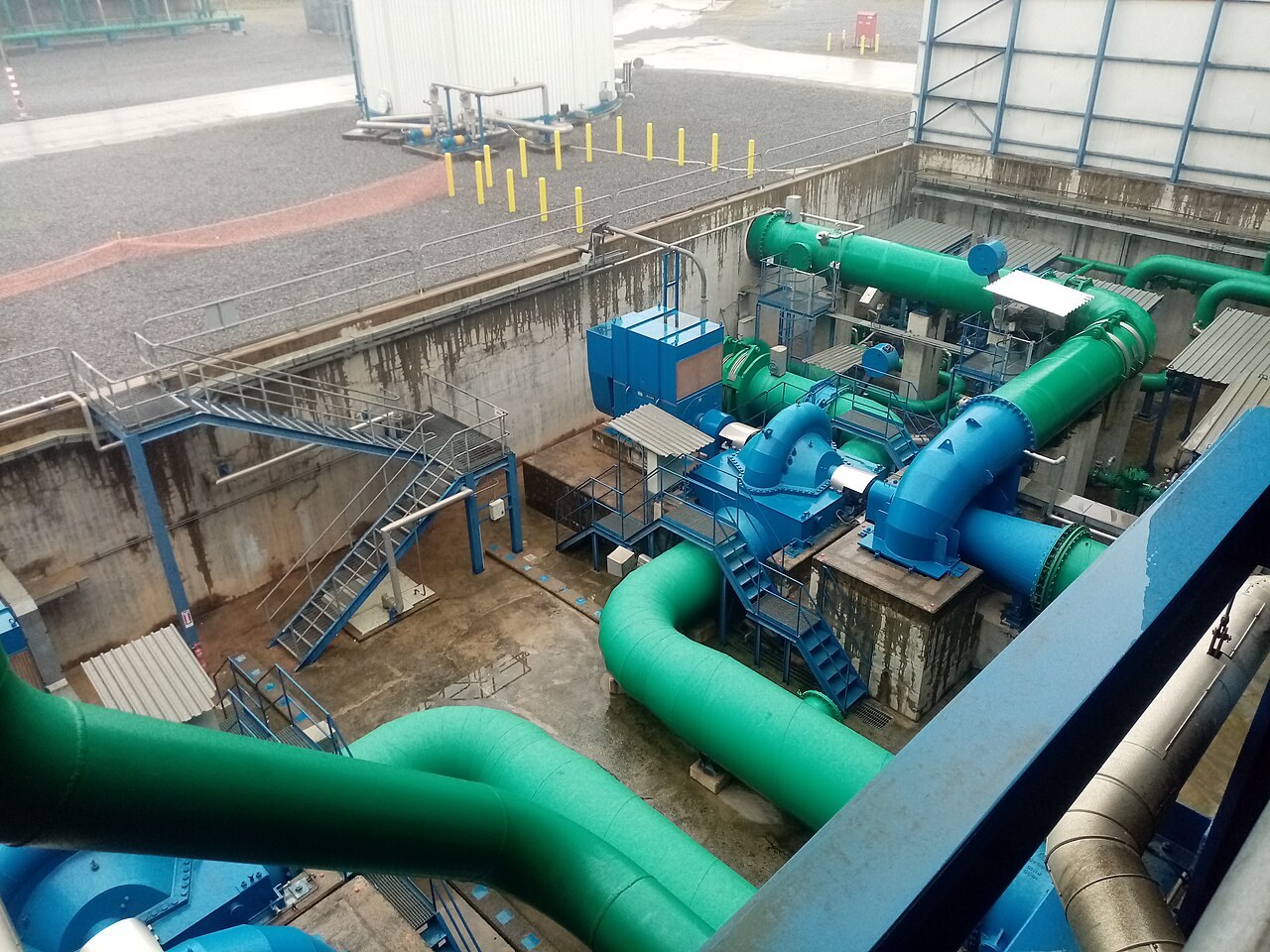
Follow the site and OEM isolation, lockout, pressure and temperature procedures when addressing the leak. Chemical treatment cannot compensate for uncontrolled oxygen and water entry. Confirm that expansion, pressure maintenance and air elimination function as designed before comparing old and new chemistry results. A pressure test or repair record should identify the physical change; apparent pressure stability during a short observation may not exclude an intermittent leak.
Check for accumulated particles and deposits after the repair. Rust, scale fragments or debris can continue to circulate even after fresh-water entry stops. Use strainers, inspected low points or a supported temporary filtration/flush arrangement as appropriate to the equipment and waste-handling route. Capture and identify solids if they affect heat transfer, valve operation or an inhibitor film. Flushing can remove material but also introduce more makeup and oxygen; record the fluid volume and refill chemistry, and repeat the baseline afterward.
Do not import an open-tower blowdown or concentration-cycle rule into a closed loop. The open-tower filtration guide addresses ongoing suspended loads in recirculating towers, not this closed-loop recovery. If contamination is widespread or fluid replacement is required, plan the discharge, cleaning and refill with the owner and equipment supplier. A product candidate should be evaluated against the condition of the loop that remains after these actions.

| Question | Record or sample | What the evidence cannot prove alone |
|---|---|---|
| Is makeup still entering? | Makeup meter, pressure trend, valve and repair log | A short stable interval cannot rule out intermittent loss |
| Did fluid chemistry change? | Original and replacement-fluid identity; representative loop pH, alkalinity, conductivity, hardness, ions and glycol where relevant | One conductivity number cannot specify inhibitor dose |
| Was protection disturbed? | Program-specific residual with sample location, method and feed history | A low residual does not identify oxygen ingress or corrosion mechanism by itself |
| Are metals being released? | Defined filtered/unfiltered iron or copper, coupons and deposit inspection | One metal reading may include sampling disturbance or old debris |
| Is equipment recovering? | Heat-transfer, differential pressure, strainer and corrosion trends | A short visual improvement is not long-term compatibility evidence |
Compare the fluid against the actual metal combination
List wetted steel, copper alloys, aluminum, stainless steel and other relevant materials rather than assuming one coupon represents the whole loop. Material combination, gasket and seal compatibility, heat-exchanger construction and glycol content affect the candidate route and sampling plan. Check the current treatment formulation and the OEM's fluid requirements. If an oxidant or process contaminant could have entered, investigate that separately from normal makeup dilution.
At a minimum, pair the loop sample with its replacement source and the previous stable baseline. Choose pH, alkalinity, conductivity, hardness, dissolved oxygen, iron/copper and the inhibitor residual test appropriate to the actual program; add chloride, sulfate, microbiology or glycol degradation analyses where they answer a suspected mechanism. Preserve method and temperature basis. Iron can be soluble, colloidal or particulate; a filtered/unfiltered pair helps avoid calling a loose rust particle an active dissolved-corrosion signal. A coupon trend reflects its exposure location and time, while a deposit sample may show a localized problem. Neither substitutes for a verified leak repair.
Trace where the fluid travels after makeup. Fresh water entering near one pump may not mix immediately with a large loop or low-flow branch. Compare representative supply and return points after the system reaches a defined operating state. For multiple heat exchangers or standby branches, sample the locations that could have been affected, and record whether valves were open. Use the same sampling positions and methods for later comparisons so that a trend is interpretable.
Choose the next action from the remaining failure mode
If makeup is still rising, keep the work on leak detection, controls or cross-connection. If makeup has stopped but particles remain, evaluate inspection, supported flushing or filtration and the route by which waste will leave the loop. If the fluid composition is outside the equipment or current treatment basis, address the refill or blend decision. If a stable, cleaned loop still shows program residual loss or material-specific corrosion signals, design a chemical revalidation. These branches can overlap, but their order prevents a new additive from concealing a continuing physical fault.
Low pH or changed conductivity needs a source and time history. A single conductivity value cannot tell whether the event added salts, diluted inhibitor or introduced glycol breakdown products. Likewise, a high iron result could be active release, deposited rust disturbed during flushing or a sampling artifact. Compare sample preparation, dissolved and total fractions, coupon condition and downstream locations. A copper signal needs the metallurgy and exposure context discussed in the mixed-metal copper-corrosion guide; this article instead owns the recovery sequence after makeup.
Document what was corrected before testing. Changing the refill source, flushing, venting, filter and chemical at once makes a favorable result uninterpretable. If safety or asset protection requires simultaneous action, record each intervention and plan a later controlled confirmation. The equipment owner should decide any urgent operational steps within its approved procedures, not from a generic website guide.
Revalidate inhibitor chemistry against a stable loop
VCYCLETECH has a real closed-circulating-system inhibitor product identity and a corrosion-inhibitor category. Those pages are inquiry routes, not evidence that the catalog formulation is compatible with every glycol, aluminum component, seal or oxygen exposure. Obtain current grade documentation and define the loop's water, metallurgy and current program before requesting a candidate. Do not transfer catalog pH or solids data into a dosing, temperature or corrosion claim.
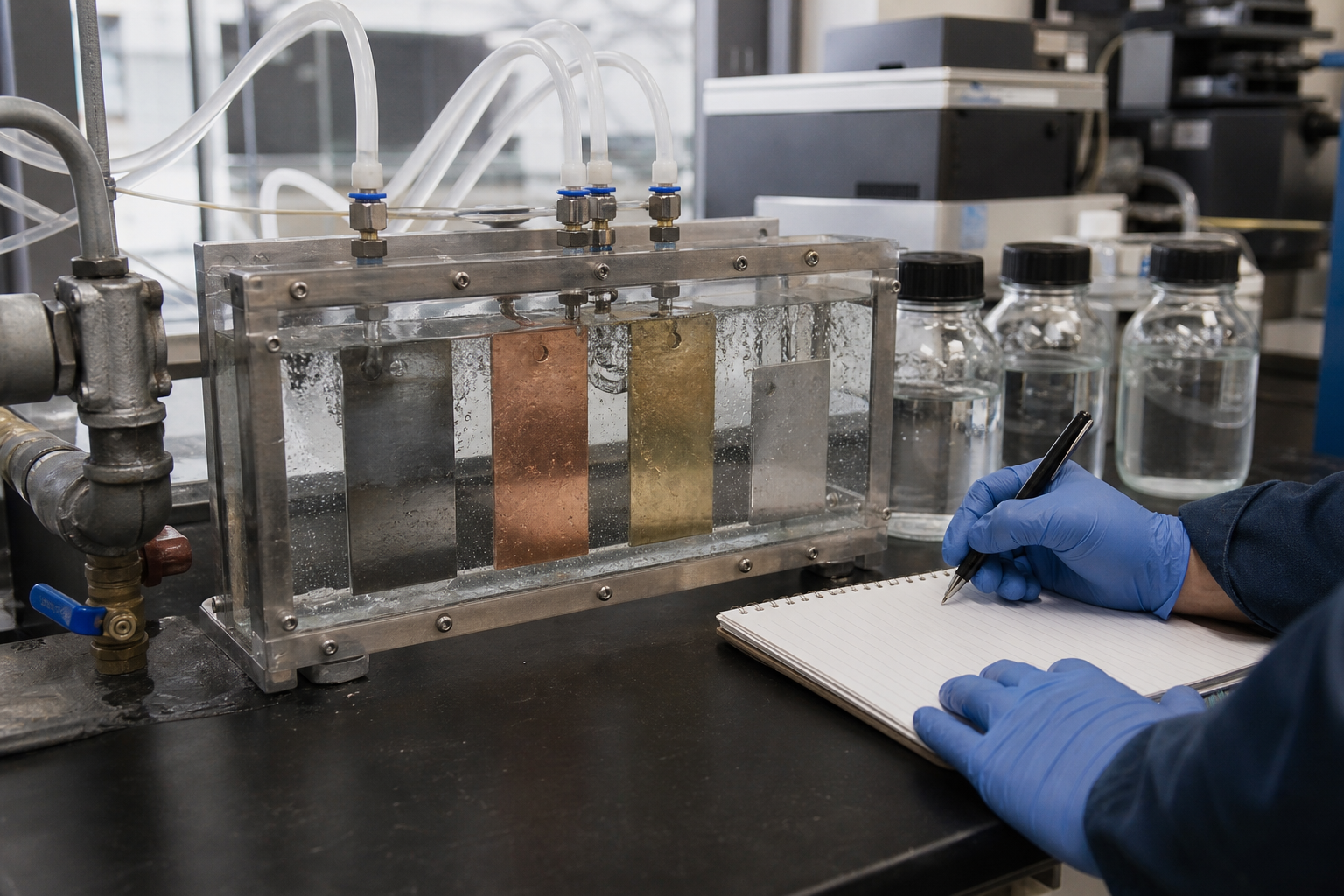
For a controlled trial, retain the stabilized current program as a baseline and specify how residual is measured. Compare relevant fluid properties and material-specific corrosion evidence across representative operating periods. A static bottle can screen obvious incompatibility or precipitation; it cannot reproduce heat flux, flow, oxygen entry or long exposure. A coupon can compare corrosion at its location; it does not capture every crevice or mixed-metal interaction. Track strainer burden, heat-transfer response and deposit formation as well as chemistry.
If the loop has glycol, obtain the glycol supplier's fluid and inhibitor guidance. Mixed products may have incompatible additive packages, and contamination history changes interpretation. The exact formulation, not the word “inhibitor,” determines whether a proposed route is sensible. Any system-specific acceptance range must come from current OEM, product and site evidence, not a universal number published here.
Prepare a recovery and purchasing handoff
Use the cooling-water application to identify the closed-loop system and send the technical inquiry with a marked loop diagram, makeup and repair chronology, approximate loop volume, fluid source and glycol identity, wetted materials, temperature and pressure design information, previous and current analyses with methods, current inhibitor formulation, metal/deposit or coupon observations and the decision still unresolved. Add destination and quantity for quotation. The NIH technical bulletin provides an independent closed-loop assessment framework, with facility-specific boundaries.
Frequently asked questions
Should inhibitor be added immediately after every leak?
First stop the continuing loss and establish the refill and loop composition under the site procedure. The existing program may need restoration, but the amount and route require current product, fluid and equipment evidence.
Does one low inhibitor residual prove corrosion is occurring?
No. Verify the method, sample location, dilution and feed history, then compare oxygen, metals, coupons or deposits and equipment trends. One residual is a signal to investigate, not a corrosion diagnosis.
Can a closed cooling loop use cooling-tower blowdown rules?
No. A closed loop has a different water balance. Manage its leak, refill, venting and fluid-treatment basis according to its own design and OEM requirements.
Why compare iron and copper in addition to pH?
Different wetted metals can release different signals. Defined filtered and unfiltered metal samples, representative locations and material-specific coupons or deposits help distinguish old debris, sampling disturbance and a continuing corrosion concern.
What should a supplier receive before suggesting an inhibitor candidate?
Provide the loop and repair history, replacement-water and glycol identity, wetted materials, old and new chemistry with methods, residual and metal trends, operating conditions, current product identity and the endpoint a candidate must improve.