
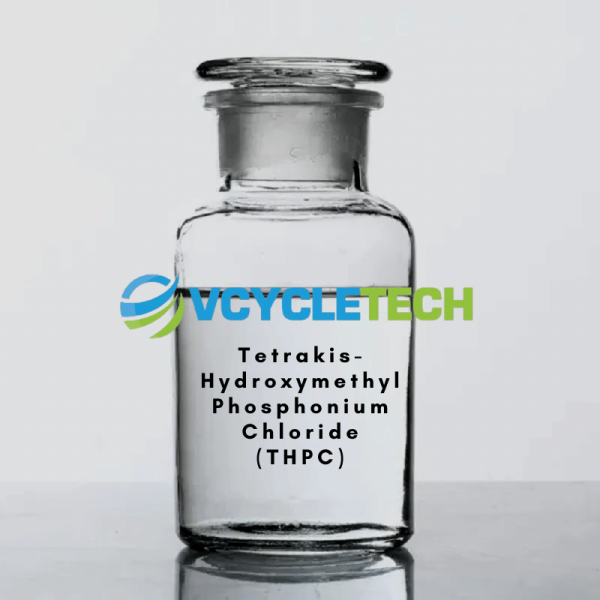
THPC Biocide: Uses, Dosage & How to Buy
TL;DR THPC (tetrakis hydroxymethyl phosphonium chloride, CAS 124-64-1) is a fast-acting, phosphonium-based biocide that is especially effective against sulfate-reducing bacteria (SRB) — the organisms behind reservoir souring and microbially influenced corrosion (MIC). It works at low dose (roughly 20–50 ppm active in tough systems), dissolves iron-sulfide deposits, and breaks down quickly in the environment with no bioaccumulation. It is the close chloride cousin of THPS.
What THPC is
THPC is a phosphonium quaternary biocide — a phosphorus-centred analogue of the more familiar ammonium biocides. Its strength is speed and a clean environmental profile: it kills fast, then degrades quickly to low-toxicity substances without bioaccumulating, which is why it is favoured in discharge-sensitive oilfield and industrial water.
Why it beats ordinary biocides on SRB
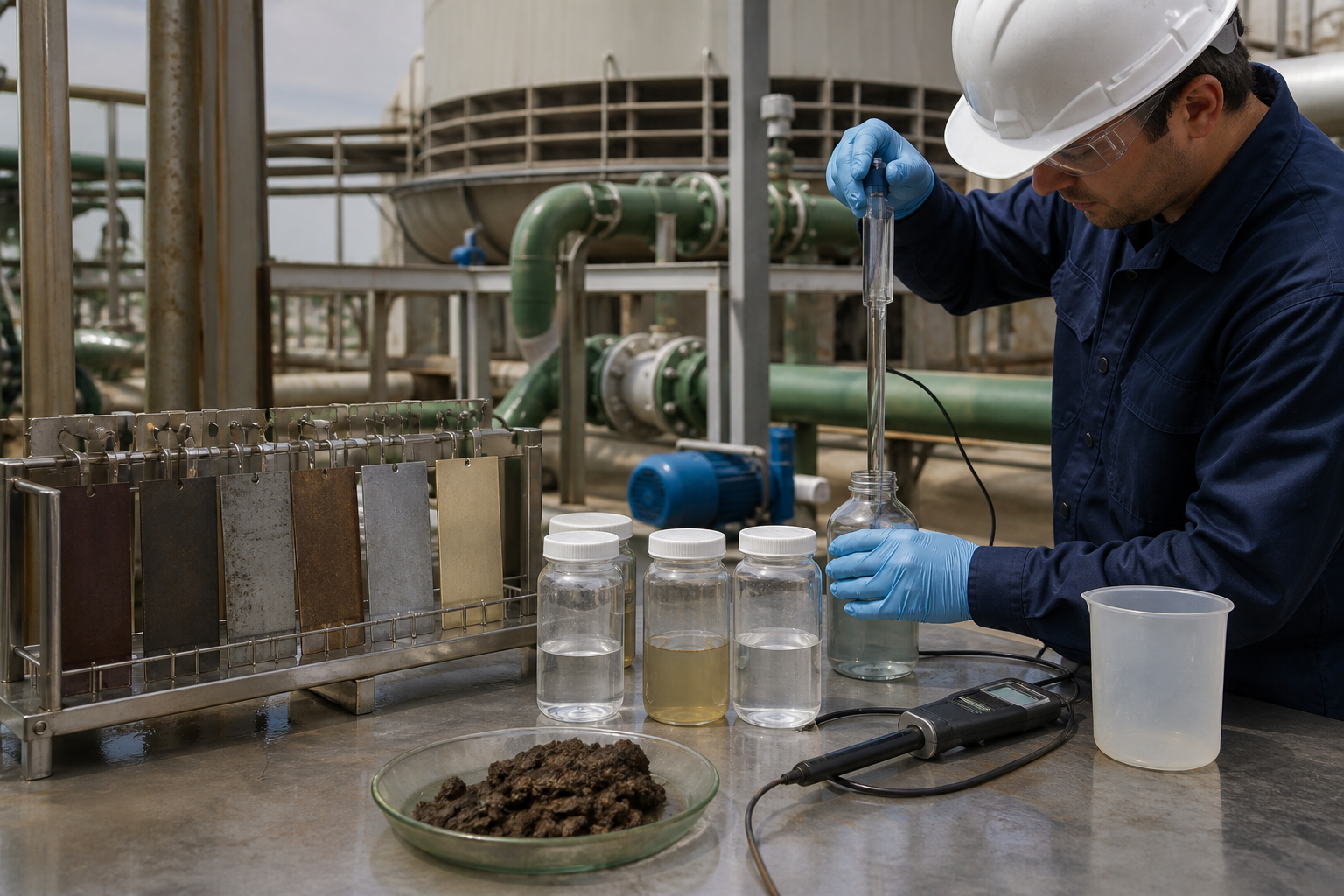
Sulfate-reducing bacteria generate H₂S (souring) and drive pitting corrosion under deposits. THPC is a fast-acting bactericide particularly effective against SRB, and — unusually — it also dissolves iron-sulfide (FeS) scale, cleaning the very deposits that shelter the bacteria. Oxidising biocides struggle with FeS and with the reducing conditions in these systems; THPC does not.
Dosage
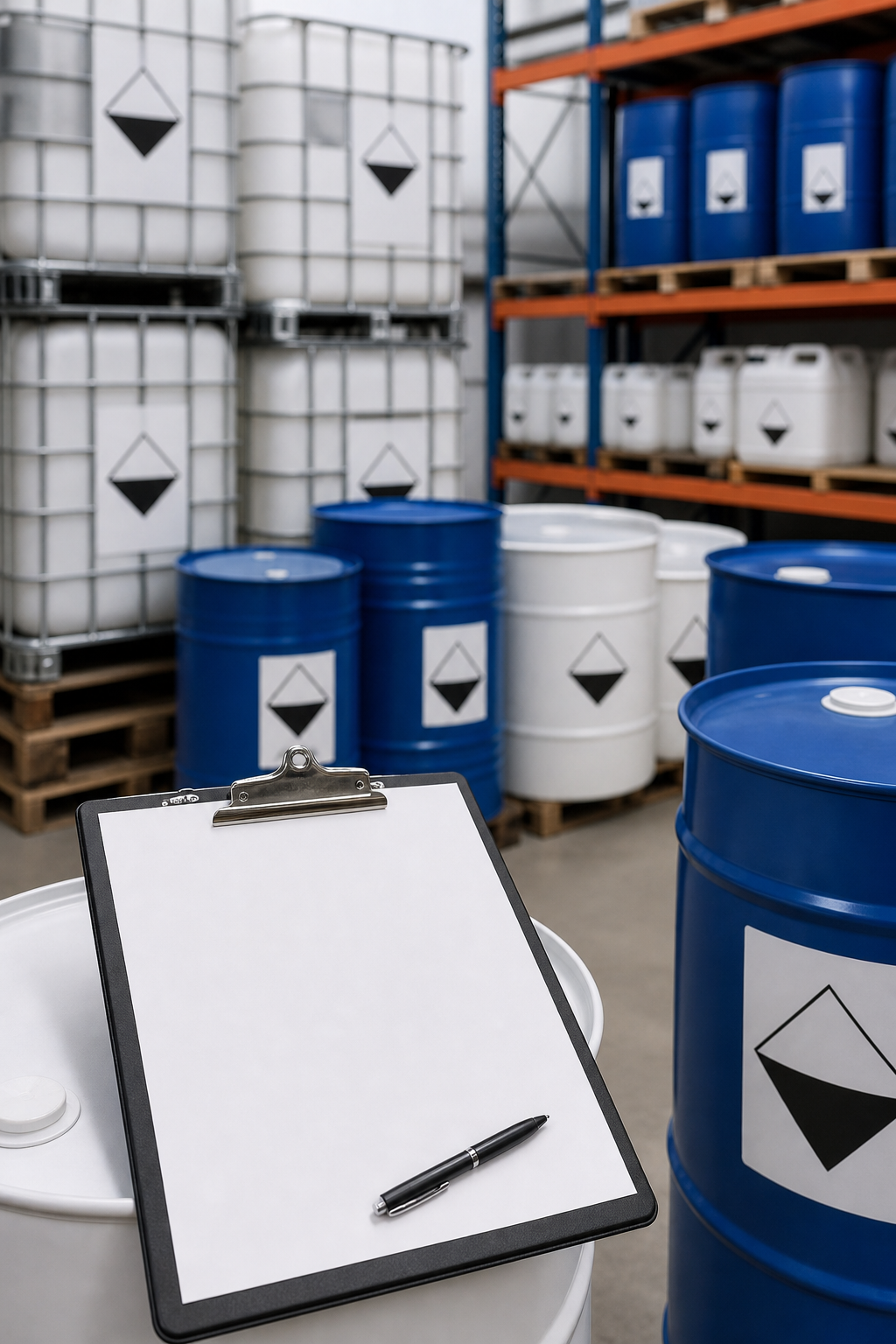
Dose to the system, not to a fixed number. Published corrosion work shows the shape of the response: at 20 ppm active phosphonium, corrosion weight loss in enriched seawater dropped sharply, and at 50 ppm it became negligible. In practice THPC is run as a batch (slug) or continuous dose for cooling water, oilfield injection/produced water, and process water; heavier fouling or higher SRB counts need the upper end. Always confirm active content from the COA and dose on the active basis.
THPC vs THPS
THPC is the chloride salt; THPS is the sulfate salt of the same tetrakis-hydroxymethyl phosphonium cation. They share the fast SRB kill, the FeS-dissolving action and the low environmental impact. THPS is the more common oilfield trade form (often sold at 75%); THPC suits systems where the chloride form or a different active strength is preferred. The biocidal chemistry is essentially the same — choose on form, concentration and price per kg of active.
Where it is used
- Oilfield — water injection, produced water, reservoir souring and MIC control.
- Cooling water — recirculating systems, biofilm and SRB control.
- Industrial process water — bacteria, algae and fungi control.
- Pair with a biocide programme and dosing plan rather than a one-off shot.
THPC at a glance
| Property | THPC |
|---|---|
| Chemical | Tetrakis hydroxymethyl phosphonium chloride |
| CAS | 124-64-1 |
| Type | Fast-acting phosphonium biocide |
| Best against | Sulfate-reducing bacteria (SRB), MIC, souring |
| Extra action | Dissolves iron-sulfide (FeS) deposits |
| Typical dose | ~20–50 ppm active in demanding systems |
| Environment | Degrades quickly, no bioaccumulation |
| Cousin | THPS (sulfate salt, same cation) |
Watch
Frequently asked questions
What is THPC used for?
THPC (tetrakis hydroxymethyl phosphonium chloride, CAS 124-64-1) is a fast-acting biocide for controlling bacteria, algae and fungi in oilfield water, recirculating cooling water and industrial process water. It is especially effective against sulfate-reducing bacteria, which cause reservoir souring and microbially influenced corrosion, and it also dissolves iron-sulfide deposits.
What is the THPC dosage?
Dose to the system on an active basis. Corrosion studies show weight loss dropping sharply at about 20 ppm active phosphonium and becoming negligible near 50 ppm, so demanding oilfield and cooling systems typically run in that range, batch or continuous. Heavier fouling or higher bacterial counts need the upper end; confirm active content from the COA.
What is the difference between THPC and THPS?
THPC is the chloride salt and THPS is the sulfate salt of the same tetrakis-hydroxymethyl phosphonium cation. Both are fast biocides against sulfate-reducing bacteria, both dissolve iron sulfide and both have low environmental impact. THPS is the more common oilfield form (often 75%); THPC suits systems that prefer the chloride form or a different active strength.
Is THPC environmentally friendly?
THPC has a favourable environmental profile for a biocide: it acts fast and then breaks down quickly into low-toxicity substances with no bioaccumulation. That combination of fast kill and rapid degradation is why phosphonium biocides are chosen in discharge-sensitive oilfield and industrial water applications.
Does VCYCLETECH supply THPC and THPS?
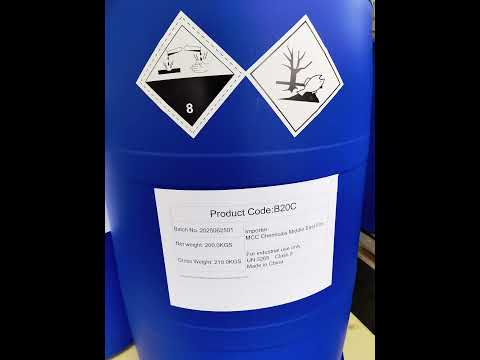
VCYCLETECH lists THPC. Share your application, target grade, quantity, packaging and destination to request current TDS/SDS, a representative COA and sample options. Agree lot-documentation terms before ordering.
About the manufacturer
VCYCLETECH is a China-based manufacturer of water treatment and process chemicals — surfactants, biocides, coagulants and flocculants, phosphonates, dispersants and paper chemicals — ISO 9001 / 14001 / 45001 certified, with current COA information on request and OEM/ODM service. See our quality & certifications.
References
- Tetrakis(hydroxymethyl)phosphonium chloride — Wikipedia
- Sulfate-reducing microorganisms — Wikipedia
- Microbially influenced corrosion — Wikipedia
- THPS with biopolymer for control of MIC in a dynamic system — Corrosion Science
Related: THPC · THPS · Biocides & algaecides · Water-treatment biocides guide · Disinfection guide