
Paper machine · wet-end foam control
Paper Machine Wet-End Foam: Choose a Defoamer Trial and Feed Point
For paper machine wet-end foam, the first decision is whether the problem is visible surface foam, air dispersed in the stock, or a change elsewhere in the white-water loop. Do not select a silicone or polyether defoamer from a catalog alone. Locate where air enters, compare a mechanical or process correction with a controlled chemical trial, and measure the outcome that matters: white-water stability, entrained air where available, sheet defects, deposits and drainage. Feed a candidate where it can reach the foam-producing zone with appropriate mixing, while keeping it away from incompatible or quality-sensitive additions. Product form, injection point and dose are trial variables, not universal settings. The result should be a repeatable machine decision, not a temporarily quiet pit.
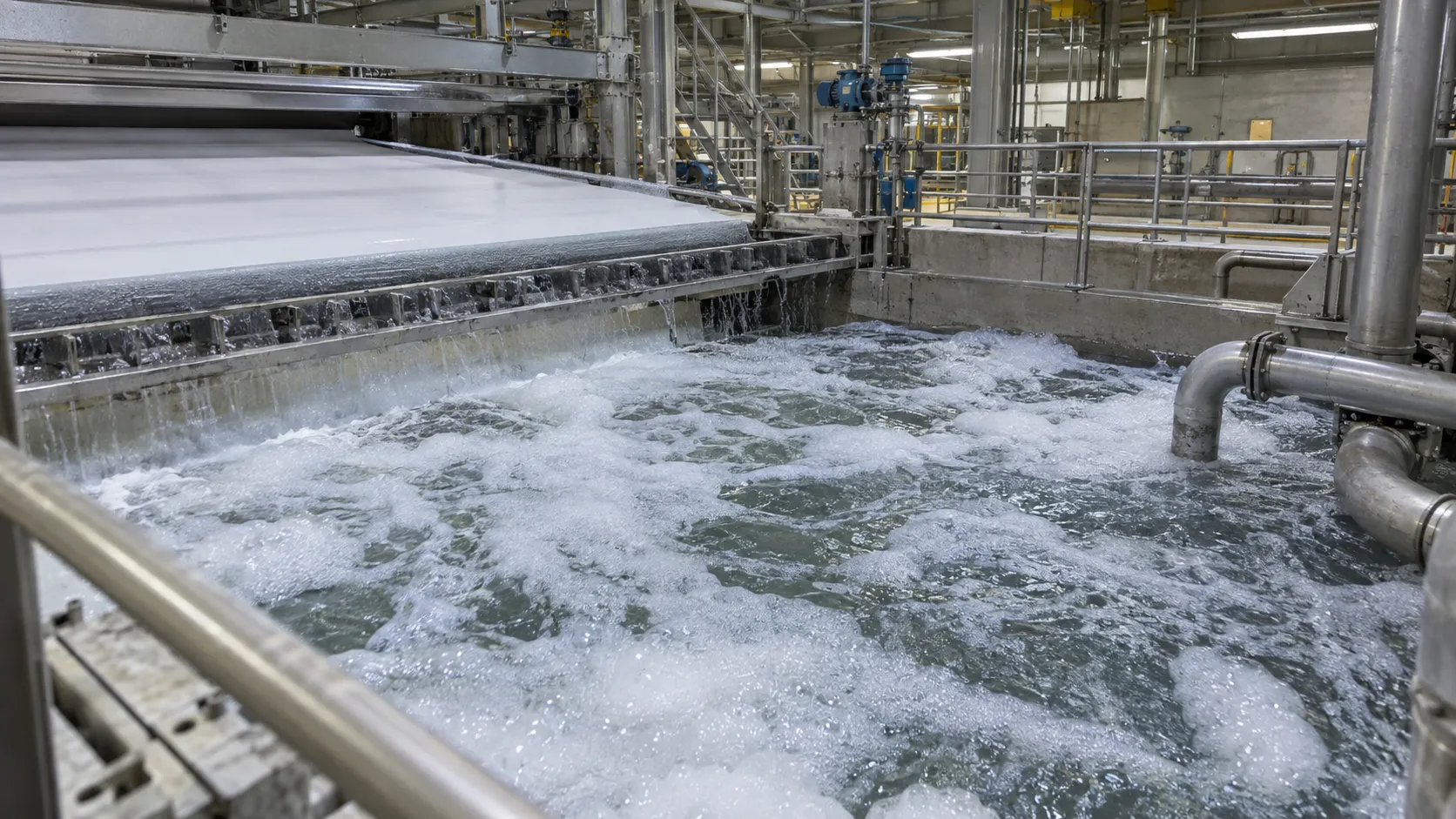
Find the foam source before changing a drum
Visible bubbles on a white-water pit can be an operating signal, but they are not a full measure of air carried into the headbox. Stock can contain dispersed bubbles even when its surface looks calm. Both kinds of air matter differently: surface foam can overflow or disrupt level control; entrained air can affect drainage and sheet formation. Kemira distinguishes surface-foam control from deaeration across different pulp and paper process points, and published papermaking measurement work treats entrained air as a variable worth measuring directly where possible.1, 2
Walk the flow before blaming the chemical. Look for a new vortex at a chest or pump suction, a return line splashing above the liquid surface, a leaking seal, an abrupt grade change, an altered surfactant or sizing addition, and a more closed water loop. These are diagnostic possibilities, not claims about a specific mill. Plot when the foam began against machine speed, furnish mix, broke return, white-water temperature and additive changes. If a pump is taking air into the system, an antifoam may hide the surface symptom while the air-entry source persists.
Define the location and the effect in the operator's language. Is the issue a foamy silo, a headbox air alarm, a pinhole pattern in the sheet, poor drainage, an overflowing collection tank or unstable coating preparation? Each points to different sampling and success measures. Brownstock washing, coating kitchens, biological effluent plants and paper-machine white water are not interchangeable applications. A Solenis brownstock defoamer case, for example, describes kraft washing equipment, not proof of performance in a wet-end paper machine.3
Separate the chemistry choice from the application point
The same word “defoamer” covers different functions and formulations. Some candidates are selected for fast surface knockdown; others are evaluated for persistent foam prevention or dispersed-air management. Silicone-based and polyether-based products can behave differently with a particular furnish, temperature, process-water chemistry and additive package. Do not convert a supplier's general category description into a guarantee that all silicone products cause deposits or that all polyether products are harmless to sizing. The exact formulation and the mill's trial decide.
VCYCLETECH offers an organic silicon defoamer and a polyether defoamer. These pages establish potential candidate routes, not a verified grade-specific match to this wet-end system. Request the exact product identity, current TDS and SDS, a representative COA if available, dilution and storage instructions, and any supplier-stated compatibility limits before dosing. A current document and a machine trial matter more than a generic “best defoamer” label.
| Observed condition | First check | Trial endpoint | Reason not to select on foam height alone |
|---|---|---|---|
| Surface foam at a pit or silo | Return-line splash, agitation, level and source of surfactants | Foam persistence and overflow under a stable operating condition | Entrained air may remain even if the surface clears |
| Air in stock / headbox | Pump suction, vortex, deaeration and measurement location | Entrained-air trend and sheet-quality response | A visual photograph cannot quantify air in stock |
| Sheet spots or deposits after chemical change | Compatibility with sizing, retention and process temperature | Cleanliness, defects and stable drainage | A quick knockdown can be offset by product carryover |
| Foam after grade or furnish change | Broke, recycled fiber, dissolved load and new additives | Repeatable response over representative shifts | One clean short trial may miss normal variation |
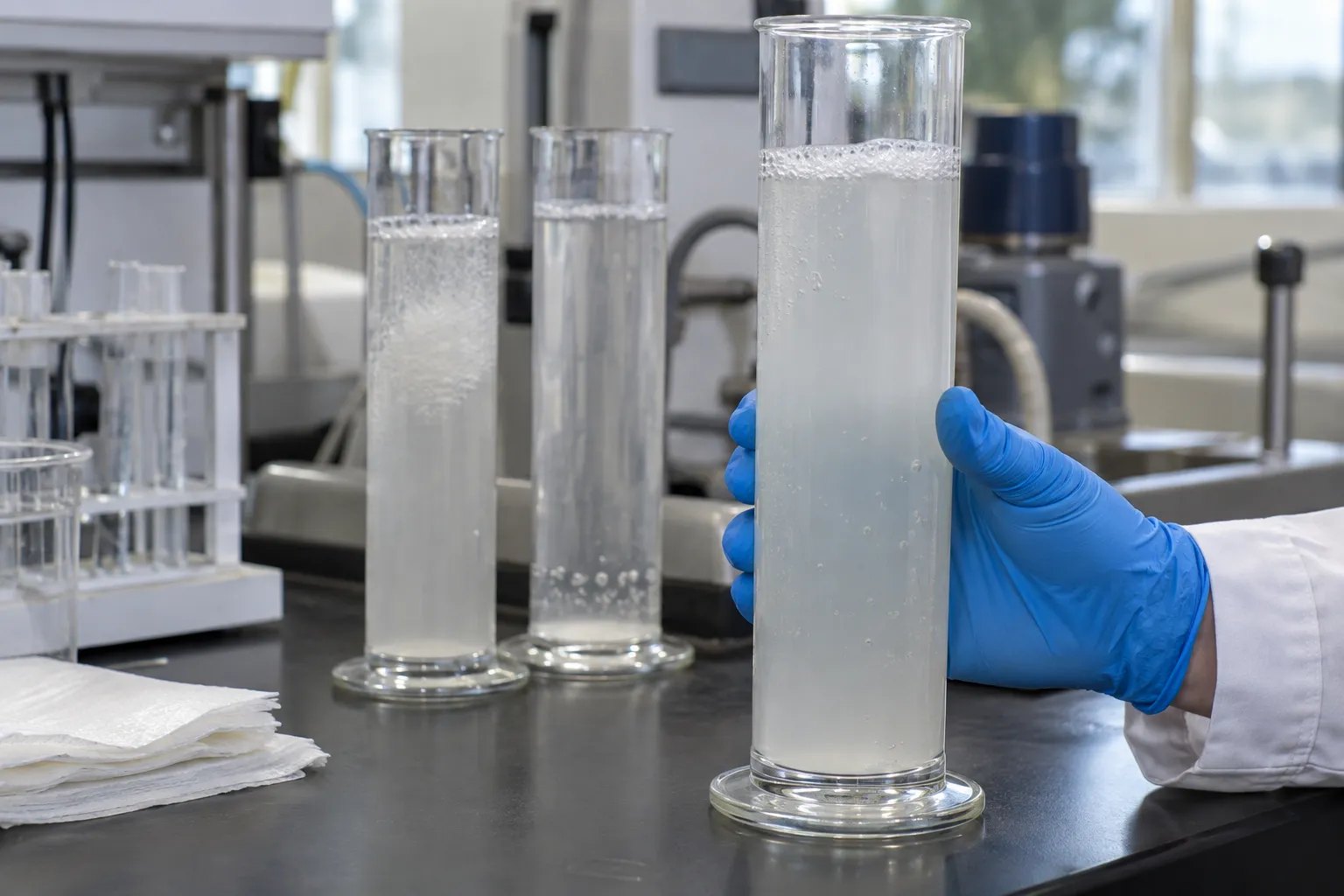
Design a trial that answers the mill's question
Start with an agreed baseline, not a sales claim. Record the grade, furnish, water-loop condition, feed rates of existing wet-end additives, normal foam/air observations, drainage and sheet-defect trend. Sample at the problem point and a downstream point. A simple bench screen can identify obviously incompatible candidates or mixing behavior, but it cannot reproduce a paper machine's shear, recirculation and exposure time. A published review of molded-pulp processing notes that excessive defoamer use can contribute to deposits and hydrophobic sizing difficulties; treat those as trial checks, not as a prediction for every formulation.4
Compare the unchanged baseline, a plausible mechanical correction and one chemical change at a time. Use the supplier's current instructions and mill-approved safety procedure. Record product form, preparation, exact feed point, feed rate, machine speed, water chemistry and trial duration. Do not change grade, pump configuration and antifoam simultaneously if the aim is to attribute the result. Include a washout or return-to-baseline period where the site permits it. If a temporary foam collapse is followed by higher deposit or a sheet-quality problem, the trial has not succeeded.
Ask who will take the measurement and when. Operators may score surface foam; a sensor or standardized sampling method may track entrained air; quality staff can monitor pinholes and spots; process engineers can track drainage, retention or chemical demand. The scorecard must reflect the original problem. A supplier comparison that uses only the most photogenic beaker risks buying the wrong program.
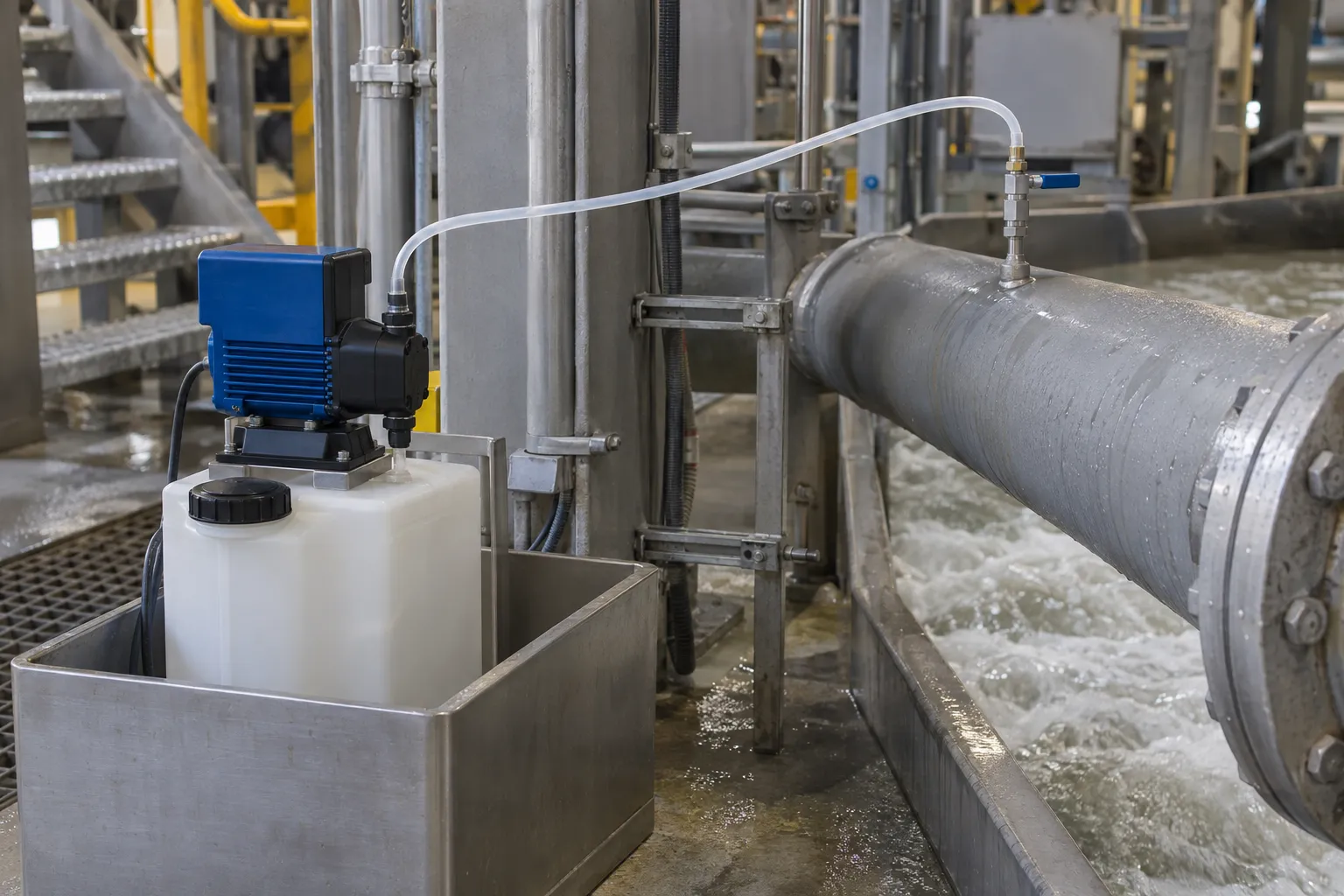
Choose a feed point with enough access and the right residence time
A feed point needs to reach the zone where foam is generated or air is carried, but it must also allow the product to disperse without a concentrated slug. The correct point depends on the specific water circuit, pump and tank arrangement, dilution instructions and nearby additives. An injection just before a high-shear device may behave differently from a controlled point in a return line; a remote tank addition may be too late for a headbox air problem. These are hypotheses to test with the mill, not universal placement rules.
Review physical access, secondary containment, compatible wetted materials, backflow protection, operator visibility and the ability to sample both before and after dosing. Map the point against charge-control, sizing and retention additions so the trial can detect interference. The existing wet-end additive-order guide covers those neighboring chemistries; it does not substitute for antifoam-specific compatibility testing. Compare feed-point options under the same machine condition and measure downstream effects, not just the local pit surface.
Use a complete acceptance scorecard
Accept the trial only when the target foam or air problem improves under representative operation and the paper process remains acceptable. At minimum record the original symptom, measurement method, baseline period, product and lot, feed location, feed record, operator observations, sheet-quality checks, deposit inspection and any adverse effect on wet-end chemistry. Add a cost-in-use comparison after technical acceptance, rather than comparing only price per kilogram. A candidate that requires frequent emergency intervention or causes a new quality loss is not the low-cost choice.
For a useful inquiry, send the paper grade and furnish, a diagram or description of the white-water loop, where foam is first seen, available air/foam measurements, recent process changes, current additions and their points, and the acceptance scorecard. State whether you need a sample for a controlled trial or a quote for a specific product. See the defoamer range for potential categories; ask for grade-specific documents before use. This article cannot confirm a dose, an application approval or a guaranteed result for any mill.
Describe your wet-end foam point and request a candidate review →
Frequently asked questions
Is surface foam the same as entrained air in stock?
No. Surface foam is visible at a water-air interface; entrained air can remain dispersed within stock and needs an appropriate measurement or sampling method. A quiet pit does not prove that headbox air has been controlled.
Is silicone or polyether always better for the wet end?
Neither family is universally better. The exact formulation must be screened against the mill's furnish, water chemistry, temperature, other additives, process point and sheet-quality limits. Request current product documents and compare the candidates in a controlled trial.
Can a defoamer fix a suction-side air leak?
It may reduce visible foam, but it does not repair the leak. Check pumps, seals, vortices and splashing returns first. Mechanical correction may remove the cause and reduce the chemical required.
Where should the defoamer be injected?
At a point that can deliver the candidate to the problem zone with suitable mixing and enough time to act, while permitting safe access and downstream measurement. The point must be verified on the actual loop; there is no universal location.
What makes a paper-machine trial successful?
Not only lower foam height. The target air or foam signal should improve repeatably without worse drainage, retention, sizing, sheet defects, deposits or downstream treatment. The mill should define the acceptance scorecard before the trial.