
PAC Batch Acceptance: When to Release a Changed Delivery
Release a PAC batch after the purchase specification, delivered lot and operating risk have been reconciled. Start by matching the product code, form, lot number and certificate of analysis to the shipment and purchase order. Compare alumina or aluminum results on the same written basis, and review basicity, insolubles and any agreed test conditions separately. A conforming repeat lot can normally follow the site's routine receiving checks. A new source, new grade, missing lot link or meaningful result shift calls for a hold and documented review. If the material is eligible for evaluation, compare it against a retained approved reference in representative plant water before approving a controlled introduction. Record chemical specification conformance and separation performance as separate decisions.

TL;DR
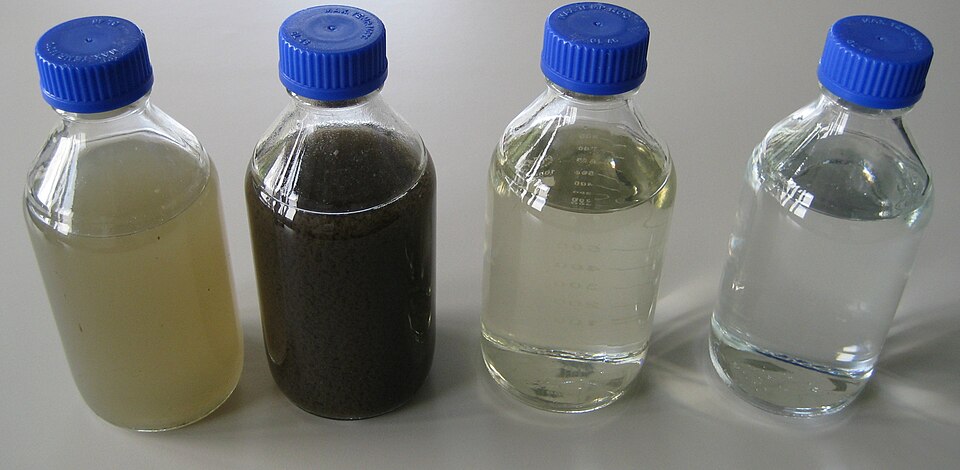
Check identity, specification conformance and process risk. Confirm that the COA represents the received lot and compare results using the contract's units and methods. Hold uncertain or nonconforming deliveries apart from approved inventory. Treat a documented formulation, source or supplied-form change as a separate qualification decision, even if the first jar looks good. When testing is required, use the incumbent product, representative intake water and the actual separation objective. Agree the acceptance criteria and sign-off in advance. Release only the identified lot or qualified operating scope, then keep the results available for the next delivery.
Match the contract, the shipment and the COA
Open the purchase specification and the approved product list before interpreting an analytical value. Look for the agreed chemical name, supplier and grade identifier, supplied form, specification revision, reporting methods, acceptance limits and any restrictions on supply source. Compare these with the order confirmation, delivery paperwork and labels. A well-formatted certificate with results inside a familiar range still leaves a gap if its lot number does not tie to the delivered containers. Ask for an updated, traceable document before drawing the material into service.
A technical data sheet describes an offered product, and a safety data sheet supports handling and hazard communication. The COA should report results for the identifiable lot against the agreed basis. Keep all three with the receiving record. Where a shipment includes several lots, record the containers or quantity tied to each one. If a consolidated COA is provided, clarify whether it reports each lot tested, a composite or an averaged result. An average can conceal an outlying lot and may not meet a purchase contract requiring lot-specific results.
Inspect packaging, seal condition and identification through the site's receiving procedure. Sampling and handling must follow the relevant safety data sheet and approved site instructions. Set aside a representative retained sample where the protocol allows, with enough identification to link it to the delivery and eventual result. Record who took it, the sample location, time and any visible irregularities. EPA's quality assurance guidance describes how receiving teams link material to the order. Apply that principle to the plant's procedures and contractual limits.
Read the result on the agreed basis
Check whether the assay is expressed as elemental Al or as Al₂O₃ equivalent and whether the percentage is by mass of the product as supplied or another defined basis. A number reproduced from a quote without its denominator is unusable as a receiving result. Where both values are explicitly mass-based and refer to the same aluminum content, multiply elemental Al by about 1.889 to express it as Al₂O₃ equivalent, from the formula mass ratio. This reporting conversion leaves the formulation unchanged. For a volumetrically metered liquid, reconcile grade-specific density at the stated conditions before translating pump flow into product mass.
Basicity is a separate descriptor for the product chemistry. Compare definition and test method before matching a percentage. Review solution pH with its stated dilution and conditions, especially when evaluating a powder. Compare the insoluble matter result with the method and the actual written limit. A result close to a limit or at odds with earlier deliveries may warrant a repeat or independent check under an agreed sampling plan. Keep the acceptance limit fixed while resolving the discrepancy.
The VCYCLETECH PAC product page identifies a yellow powder and shows catalog reference fields for alumina, basicity, insolubles and pH. Ask for the current specification and lot-specific documents before entering values into a purchase or release form. A liquid PACl option from another source requires a separate review of representation, storage and feed equipment. The coagulants and flocculants range gives context for other product identities used in different separation duties.
| Arrival condition | What to compare | Initial disposition |
|---|---|---|
| Routine repeat of an approved grade | Order, lot labels and COA agree, with methods and results inside written limits | Apply routine site checks and release only the documented lot |
| Certificate refers to a different lot or omits a required field | Obtain a traceable corrected document or agreed independent verification | Hold apart from usable inventory until the discrepancy is resolved |
| Documented source, form or specification change | Confirm proposed change, approved use, handling and the result in representative water | Requalify through the established change approval process |
| Confirmed contractual failure | Record the nonconformance, tested sample and supplier response | Keep isolated and follow the purchase agreement for disposition |
Compare the changed lot with the approved reference
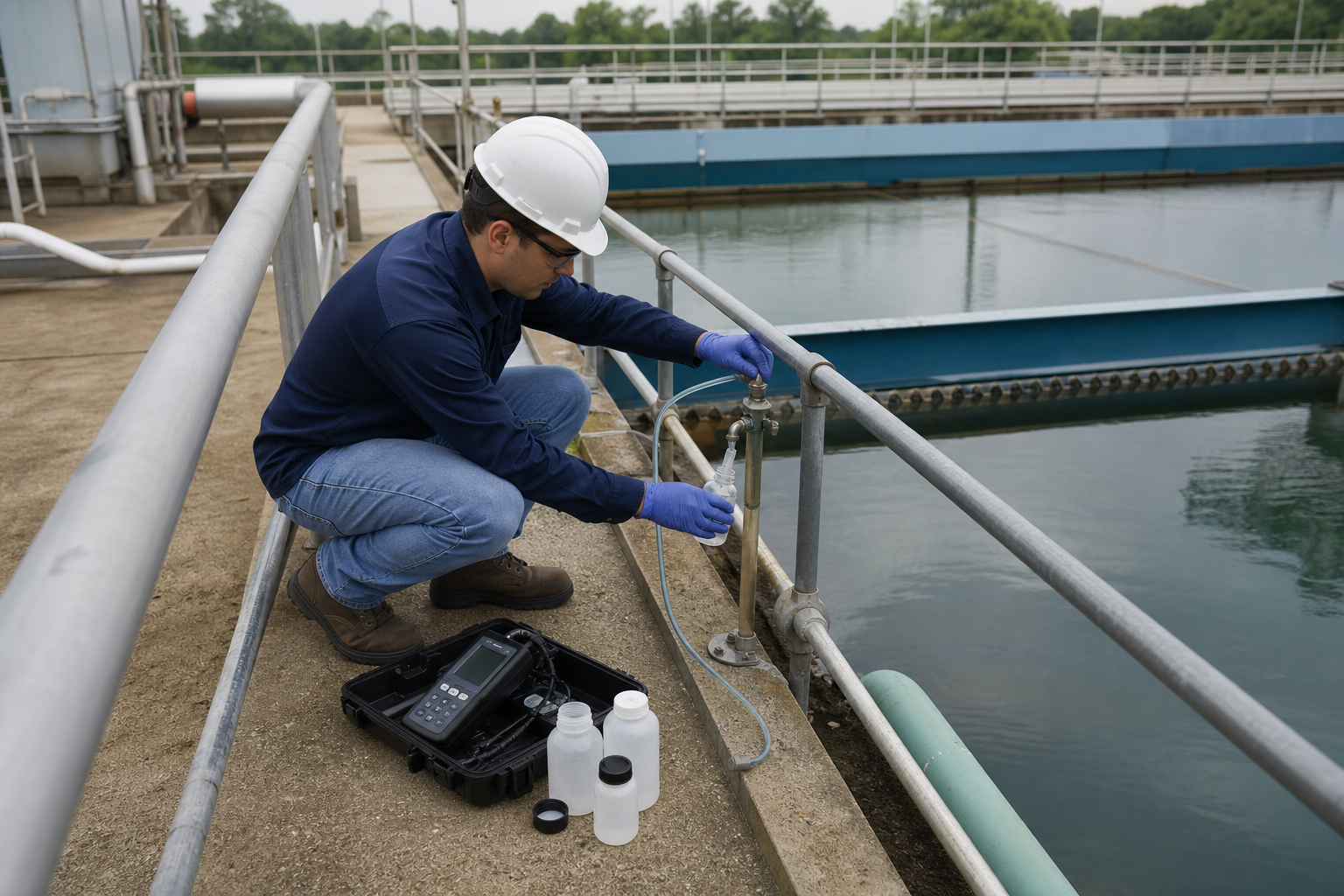
When requalification is warranted, start with the incumbent product from a traceable, properly stored lot and the proposed material identified the same way. Use representative water from the selected intake or equalization point. Record water source and sampling time, relevant pH, alkalinity, temperature, turbidity or solids, and any known shift in production or upstream treatment. Split common water between conditions. Include the plant's current operating point and a comparison range set with the site team. State the mass basis for each product and the corresponding Al or Al₂O₃ equivalent if those assays are documented. Equal elemental aluminum can be a useful comparison point while chemistry and response are investigated.
Hold other treatment chemicals and timing constant during the first comparison, including polymer, pH adjustment, mixing and delay to the separation measurement. If the team later optimizes the new treatment path, label and report that as a second stage so a change in pH control or polymer does not get attributed to the PAC lot. Record the actual sample and test conditions in enough detail for a second operator to repeat them. The public scope of ASTM D2035 supports comparable coagulation and flocculation tests followed by gravity settling. For bench setup see the coagulation and flocculation jar-test guide.
Pick a pass measure that represents the plant. For a settling train, record clarified water, the observation times, sludge behavior that affects transfer and any agreed residual. Where the plant floats solids, use an evaluation capable of representing flotation. Where filtration is the limiting unit, obtain suitable filter-response evidence as part of qualification. Repeat the comparison on intake states where a change could matter, within what can practically and safely be tested. A single clear sample may miss the combination of water conditions that makes release consequential.

Set a clear disposition and record the reason
Write the criterion and decision owner before the test. Define who can release the lot, which test or document allows the team to lift a hold and when a supplier or independent lab should confirm a result. Define how the material will remain separate while it is evaluated. Blending into approved inventory takes away the ability to trace each material and can make it difficult to return to the approved product if performance changes. Keep materials with uncertain identity or a confirmed nonconformance segregated and use the site's receiving process to resolve them.
A conditional trial approval can be useful for a proposed changed grade that meets procurement and handling requirements but has limited plant data. Specify which lot, line and operating window are in scope, which readings determine a pause, and how the team will return to approved operation. Brief the receiving shift on the identified quantity, storage location and next decision. Keep results, sampling records and supplier response together so later shipments can be compared with the same reference. Commercial acceptance and a plant trial may have different sign-offs under the order and operating procedures.
For a sample or quotation, send the current specification and basis, the proposed change, separator type, representative water conditions, required receiving documents, quantity and destination. Identify whether you need routine lot confirmation or a changed-grade qualification. For uses subject to drinking-water approval, confirm the actual listed grade, intended use and applicable conditions before considering a change. Discuss PAC the delivered lot and its application with VCYCLETECH.
- Match the lot. Link labels, order and COA.
- Check the basis. Compare assay, basicity and other agreed fields.
- Hold discrepancies. Keep unidentified or nonconforming material apart.
- Qualify a change. Use the reference lot and representative water.
- Record disposition. Release, hold or reject through the authorized process.
Frequently asked questions
Does a PAC COA by itself release an incoming lot?
Check that the COA belongs to the delivered lot and meets the agreed methods and limits. Complete the receiving checks and any change-specific qualification required by the plant or contract before release.
Can I compare aluminum and alumina percentages?
Yes, when both are clearly defined on a compatible basis. The Al₂O₃-equivalent mass is about 1.889 times the corresponding elemental Al mass. Keep basicity, product form and plant performance separate from that calculation.
Should a different lot number automatically trigger a plant trial?
Follow the written receiving policy. A conforming repeat lot can follow routine checks. A changed grade, source, form, unexplained analytical shift or a missing link between the delivery and its COA may require a hold or further qualification.
What if the jars pass but the lot fails a purchase limit?
Keep the lot isolated and use the contractual nonconformance process. A successful separation test does not resolve a failed material requirement or an unidentified delivery.
What should I send for a PAC replacement discussion?
Send the approved and proposed specification revisions, supplied form, assay and basis, lot information, water and separator conditions, required documentation, quantity and destination.