
Defoamers in Water Treatment: Types & How They Work
📖 This is a short overview. Read the complete, in-depth guide: Everything You Need to Know About Defoamers.
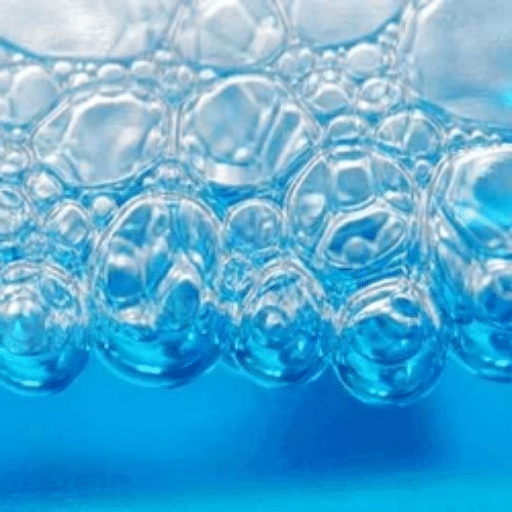
TL;DR A defoamer (antifoam) breaks and prevents foam by spreading across the air-liquid interface and destabilizing foam bubbles. In water and wastewater treatment, foam reduces capacity and causes overflows — defoamers restore stable operation.
How defoamers work
Defoamer droplets enter the foam lamella, spread, and rupture the bubble film. Types include silicone, polyether (EO/PO) and mineral-oil based, chosen by temperature, pH and whether the system is aqueous or oily.
Where they're used
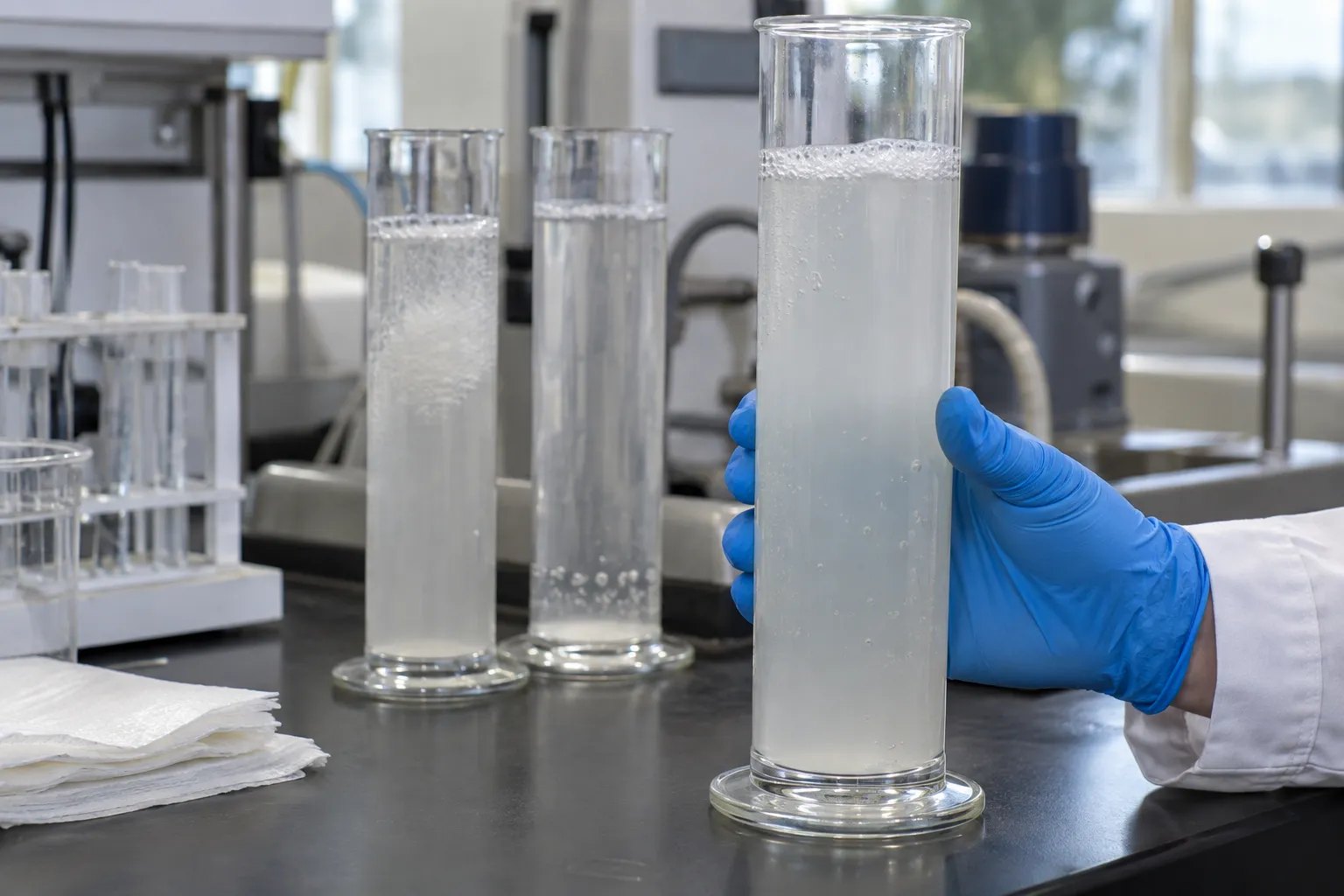
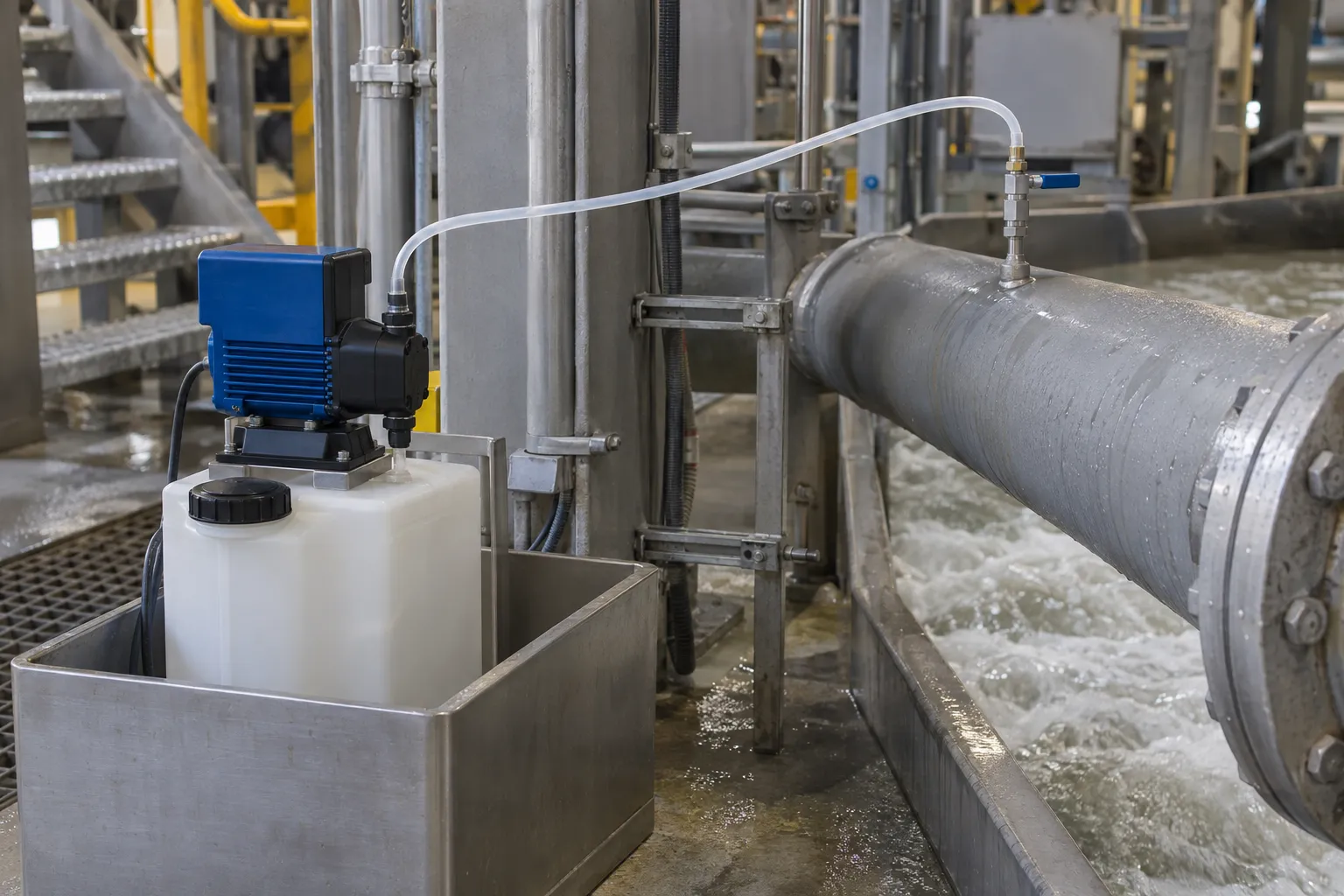
Wastewater aeration, paper mills, fermentation, textile and cleaning processes. Dose at the point of foam generation; a few ppm is often enough.
Watch

Frequently asked questions
How do defoamers work?
They spread across the air-liquid interface and destabilize foam bubble films, breaking existing foam and preventing new foam.
What is the difference between a defoamer and an antifoam?
A defoamer knocks down existing foam; an antifoam prevents foam forming. Many products do both.
About the manufacturer
VCYCLETECH is a China-based manufacturer of water treatment chemicals — antiscalants, scale & corrosion inhibitors, coagulants, flocculants, biocides, dispersants and paper chemicals — ISO 9001 / 14001 / 45001 certified, with current COA information on request and OEM/ODM service. See our quality & certifications.
Related: Defoamers guide · Wastewater