


Ensuring access to clean and safe drinking water is one of the most fundamental responsibilities of modern society. Water treatment is the process that transforms raw water from natural sources such as rivers, lakes, and groundwater into a resource that is safe for human consumption. It is a vital system that protects public health, preserves ecosystems, and sustains industrial and agricultural activities. Water treatment plants play a central role in this effort, employing sophisticated techniques, specialized equipment, and multiple stages of purification to remove harmful contaminants, pathogens, and pollutants. The ultimate objective of water treatment chemicals is to provide a reliable supply of water that is not only safe but also aesthetically acceptable in terms of taste, odor, and clarity.
Water treatment begins with a thorough understanding of the quality of the raw water being sourced. Untreated water often contains a complex mixture of physical, chemical, and biological impurities. These can include suspended solids, organic matter, bacteria, viruses, parasites, dissolved chemicals, and even heavy metals. The diversity of these contaminants requires a carefully designed sequence of treatment processes, each with a specific purpose and function. Water treatment plants are designed to respond to these challenges, employing a combination of physical, chemical, and biological processes to produce water that meets health and safety standards.
At the initial stage, water undergoes pre-treatment to remove large debris and visible contaminants. This stage often includes screening, where large objects such as leaves, sticks, and other solids are intercepted, preventing them from damaging equipment or interfering with subsequent treatment processes. Grit chambers are also commonly used to eliminate smaller particles like sand and gravel, which could otherwise accumulate in tanks and pipelines. This preparatory step lays the foundation for more sophisticated treatment procedures that follow.
One of the key processes in water treatment is coagulation and flocculation. During coagulation, chemicals such as alum or ferric chloride are introduced into the water. These chemicals neutralize the charges on small particles, allowing them to come together and form larger aggregates known as floc. Flocculation then gently mixes the water to encourage the formation of these floc particles. This stage is essential because it enables the removal of suspended solids, organic matter, and other microscopic impurities that are otherwise difficult to eliminate. The formation of floc is a pivotal moment in the water treatment journey, as it sets the stage for the removal of these impurities in subsequent stages.
Once the floc has formed, the water is directed to sedimentation basins. Here, gravity plays a crucial role in separating the heavier floc particles from the water. Over time, these particles settle at the bottom of the tank, forming a sediment layer, while clearer water rises to the top. This process reduces the concentration of suspended solids and organic material, making the water cleaner and more manageable for further treatment. Sedimentation not only enhances the efficiency of filtration systems but also significantly reduces the burden on downstream processes.
Filtration is the next critical stage, designed to remove remaining fine particles and microbial contaminants. Water passes through multiple layers of filter media, which can include sand, gravel, and activated carbon. Each layer serves a distinct function: sand and gravel remove fine suspended solids, while activated carbon adsorbs organic compounds, odors, and chemicals. Filtration improves the clarity and aesthetic quality of the water and is crucial for ensuring the removal of pathogens that may have escaped earlier stages. Modern water treatment plants often employ advanced filtration technologies such as membrane filters, ultra filtration, and reverse osmosis to achieve even higher levels of purity.
Aeration is another important step that serves multiple purposes. By introducing air into the water, either through aeration towers or by spraying it into the atmosphere, oxygen levels are increased. This not only improves the taste and odor of the water but also helps remove dissolved impurities, including volatile organic compounds. Aeration can also assist in controlling bacterial growth and preventing the accumulation of gases like carbon dioxide and hydrogen sulfide. This process enhances both the quality and safety of the water before it proceeds to disinfection.
Disinfection represents the final stage of the water treatment process. Its primary purpose is to eliminate any remaining bacteria, viruses, and other microorganisms that could pose a risk to human health. Chemicals such as chlorine or ozone are commonly used, although ultraviolet light is also increasingly employed due to its effectiveness without altering the taste or chemical composition of the water. Disinfection guarantees that the water leaving the treatment plant is safe for consumption, protecting communities from waterborne diseases such as cholera, dysentery, and diarrhea.
The components of a water treatment plant work together seamlessly to achieve these outcomes. Screens and grit chambers handle physical debris, chemical feeders introduce coagulants, flocculators mix chemicals to form flocs, clarifiers remove settled material, and filters refine the water further. Disinfection units ensure that any remaining pathogens are neutralized, and the water is finally stored in tanks or reservoirs before being distributed to homes, industries, and businesses. The design of these plants takes into account not only the quality of raw water but also the demand patterns, environmental regulations, and sustainability goals.
Water treatment is not only about providing safe drinking water; it also involves protecting the environment and managing waste products generated during the process. Sludge, the solid residue produced during sedimentation and filtration, contains both organic and inorganic materials. Proper handling of sludge is essential to prevent environmental pollution and health hazards. Treatment methods include thickening, dewatering, conditioning, and stabilization. Thickening reduces water content, dewatering produces a solid cake for easier handling, conditioning improves the sludge’s properties, and stabilization eliminates pathogens. Depending on the type of sludge and local regulations, treated sludge can be safely disposed of in landfills, used as fertilizer, or even incinerated for energy recovery.
In addition to sludge management, water treatment facilities also focus on recycling treated wastewater. This water, which is no longer suitable for drinking, can be safely reused for purposes such as irrigation, industrial cooling, and landscaping. Recycling treated water conserves freshwater resources, reduces the environmental impact of discharges, and enhances the overall sustainability of water management systems. This approach is increasingly important in regions facing water scarcity or rapid population growth.
The benefits of water treatment extend beyond health and safety. By removing pollutants, treatment plants protect aquatic ecosystems and prevent chemical contamination of natural water sources. Advanced treatment processes improve the overall quality of water, enhancing its taste, odor, and appearance. Public health is safeguarded as waterborne illnesses are significantly reduced, contributing to longer life expectancy and better quality of life. Water treatment is also essential for industries that require high-quality water for manufacturing, food processing, and energy production.
Sustainable practices are becoming integral to modern water treatment. Innovations such as energy recovery from wastewater, resource recovery from sludge, and the use of renewable energy in treatment facilities help reduce the carbon footprint and conserve natural resources. Water treatment plants are increasingly adopting integrated approaches that combine environmental stewardship, economic efficiency, and public health protection. Properly managed effluent discharge and adherence to regulatory standards ensure that treated water does not harm ecosystems, supporting long-term water availability and environmental resilience. Get more info about water treatment chemicals suppliers.
The transformation of water from its raw, untreated state into a safe, potable resource is an intricate and meticulously orchestrated journey. This essential process begins at the source—whether drawn from rivers, lakes, or underground aquifers—and moves through a series of rigorous stages designed to eliminate impurities. From initial pre-treatment to final disinfection, every phase plays a vital role in ensuring that the water flowing from our taps is entirely free from harmful contaminants and safe for human consumption.
Modern water treatment plants operate as sophisticated hubs of engineering, utilizing a diverse array of physical, chemical, and biological methods. By employing advanced filtration systems and precise chemical dosing, these facilities remove sediments, neutralize pathogens, and balance mineral content. Throughout this progression, constant monitoring and high-tech sensors ensure that the water meets stringent safety standards, reflecting a commitment to technical excellence and public reliability.
However, the scope of water management extends far beyond the production of drinking water alone. Comprehensive systems also address the treatment of wastewater and the management of residual sludge, preventing environmental degradation. By integrating water recycling and sustainable practices, these facilities minimize waste and protect our natural ecosystems. This holistic approach ensures that water is not just used once, but managed as a precious, circular resource that supports long-term ecological health.
Ultimately, understanding the complexities of the water treatment process underscores its status as a cornerstone of modern civilization. The ability to provide clean, reliable water is a primary driver of public health, economic stability, and community resilience. By maintaining these invisible yet vital systems, societies can flourish, knowing that their most fundamental need is being met through a blend of environmental stewardship and scientific innovation. This continuous cycle of treatment and protection remains one of the most significant achievements in the history of public infrastructure.
Here are some water treatment chemicals available online:
1. DTPMPA(Diethylene Triamine Penta)(Amino Methylene Phosphonic Acid)
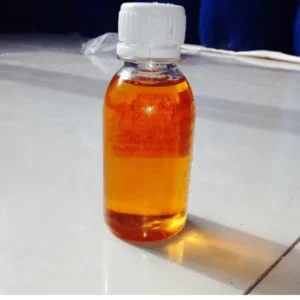
Diethylene Triamine Penta Amino Methylene Phosphonic Acid, commonly known as DTPMPA, is a highly effective chelating agent widely used in water treatment and industrial applications Its chemical structure allows it to bind strongly with metal ions, preventing scale formation and corrosion in boilers, cooling systems, and pipelines DTPMPA is valued for its thermal stability and resistance to hydrolysis, making it suitable for high-temperature environments In addition to industrial uses, it finds applications in detergents and cleaning agents due to its ability to sequester hardness ions Its performance in maintaining system efficiency and longevity makes it a critical component in chemical formulations.
2. HEDP (Hydroxyethylidene Diphosphonic Acid)

Hydroxyethylidene Diphosphonic Acid, or HEDP, is a versatile chemical widely used in water treatment and industrial processes It is a phosphonate compound known for its excellent ability to prevent scale formation and corrosion by chelating metal ions HEDP is stable under high temperatures and resistant to hydrolysis, which makes it ideal for boilers, cooling systems, and desalination plants Its effectiveness in controlling calcium and magnesium deposits also makes it valuable in detergents and cleaning formulations In addition, HEDP contributes to prolonging equipment life and maintaining operational efficiency, making it an important additive in many chemical and industrial applications.
3. Amino Trimethylene Phosphonic Acid (ATMP)
Amino Trimethylene Phosphonic Acid, commonly called ATMP, is a highly effective phosphonate used primarily in water treatment and industrial applications It acts as a strong chelating and anti-scaling agent, preventing the formation of mineral deposits in boilers, cooling towers, and pipelines ATMP is valued for its excellent thermal and chemical stability, allowing it to perform well under high temperatures and in harsh conditions Its ability to inhibit corrosion and sequester metal ions makes it essential for maintaining the efficiency and longevity of industrial systems Beyond water treatment, ATMP is also used in detergents and cleaning products due to its capacity to control hardness ions and improve cleaning performance.
4. Ethylene Diamine Tetra (Methylene Phosphonic Acid) EDTMPA (Solid)
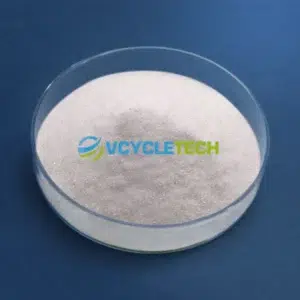
Ethylene Diamine Tetra Methylene Phosphonic Acid, known as EDTMPA in its solid form, is a powerful phosphonate used in water treatment and industrial processes It functions as a chelating agent, binding strongly to metal ions to prevent scale formation and corrosion in boilers, cooling systems, and pipelines EDTMPA is highly stable under heat and chemical stress, which allows it to perform effectively in demanding environments Its solid form is convenient for storage and handling, making it suitable for large-scale industrial use In addition, EDTMPA is applied in detergents and cleaning products, helping control hardness ions and improving overall system efficiency and longevity.
5. EDTMPS(Ethylene Diamine Tetra) (Methylene Phosphonic Acid) (Sodium Salt)
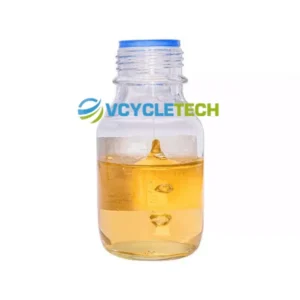
Ethylene Diamine Tetra Methylene Phosphonic Acid Sodium Salt, abbreviated as EDTMPS, is a highly effective phosphonate widely used in water treatment and industrial applications It serves as a strong chelating and anti-scaling agent, preventing the deposition of calcium, magnesium, and other metal ions in boilers, cooling towers, and pipelines Its sodium salt form improves solubility and ease of handling while maintaining excellent thermal stability and resistance to hydrolysis, making it suitable for high-temperature and harsh chemical environments EDTMPS also finds applications in detergents and cleaning formulations, enhancing performance by controlling hardness ions and protecting equipment from corrosion and scale buildup.


