

Boiler Condensate Corrosion: Trace Iron, Copper and pH
TL;DR Rising iron, copper or a falling pH in condensate is a signal to locate where the return system is changing. Sample along the steam and condensate path using the same method and operating period. Compare the results with makeup, steam demand, receiver conditions and the system's metallurgy. Carbon dioxide, oxygen ingress, process contamination and amine distribution call for different actions. Once the source and affected metal are clearer, compare neutralizing or filming treatment options against the actual return configuration. The goal is a stable condensate trend, not a quick change of chemical drum.
Why iron, copper and pH must be read together
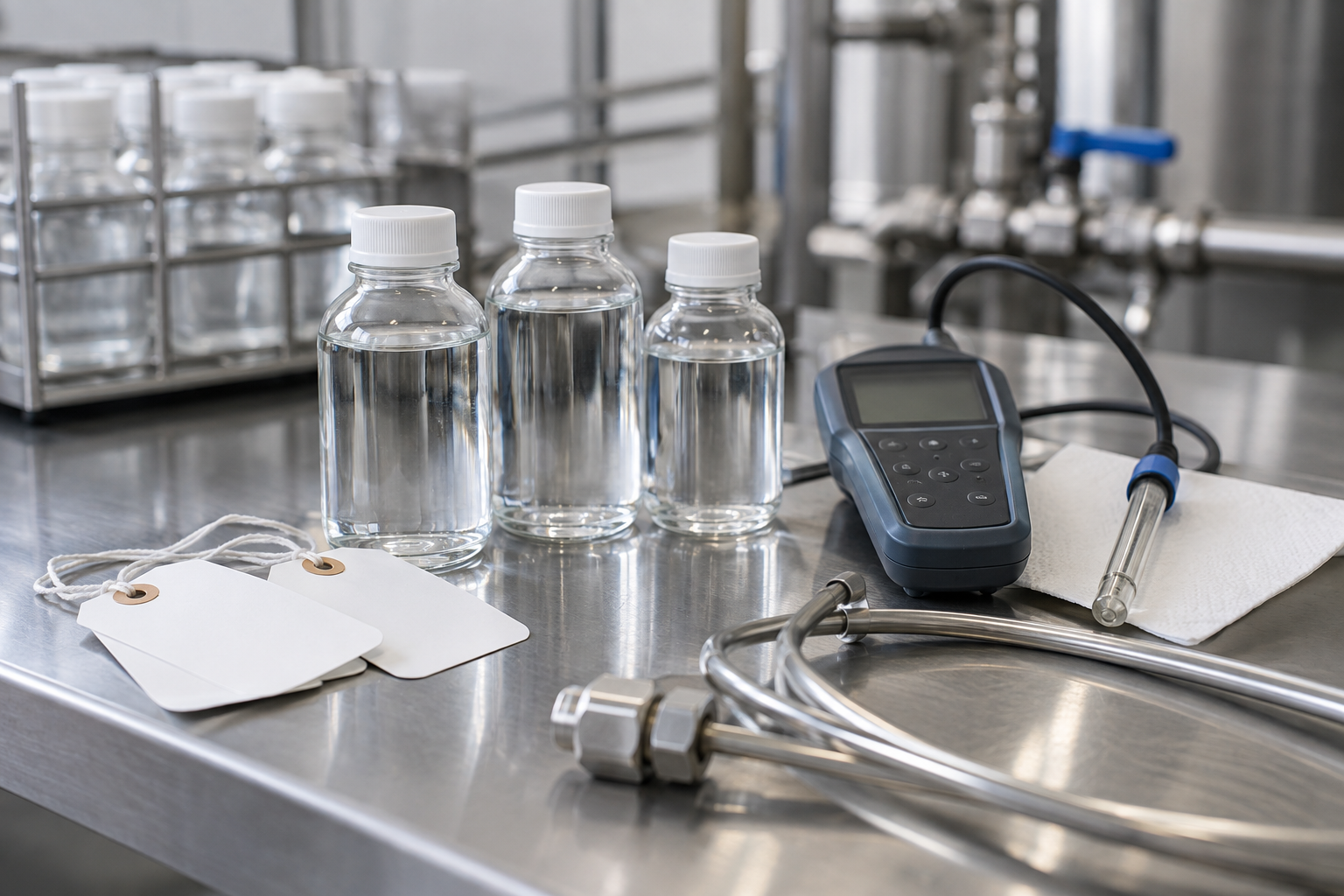
If condensate iron or copper has risen, first map the sample points and the affected metals. This guide shows how to separate a return-system problem from a chemical-selection problem before choosing an amine option.
| What the trend suggests | Mechanisms worth considering | What to collect next | Cross-check next |
|---|---|---|---|
| Iron increases at one return location | Carbon-steel corrosion, disturbed historical oxide, upstream solids, flow/temperature change or contamination. | Upstream/downstream samples, location map, pH, conductivity, temperature, return history and inspection evidence. | Active uniform corrosion rate or that a chemical program failed. |
| Copper is present where copper alloys exist | Copper-alloy corrosion, ammonia effect, pH condition, oxygen or contaminant interaction. | Material map, ammonia/contaminant review where appropriate, pH trend and qualified metallurgy/inspection input. | That copper has one source or that all condensate lines share the problem. |
| pH falls at distant or cold returns | Carbon dioxide dissolution, amine distribution gap, contamination, air ingress or sampling/temperature effect. | Location/time profile, condensate temperature, return-routing and steam-use map, treatment/feed context. | A universal pH target or immediate proof of carbonic-acid corrosion. |
Map where iron, copper or pH changes
Condensate systems are not one vessel. Steam users, traps, receivers, flash tanks, vacuum equipment, make-up points and return headers can have different temperatures, air-entry opportunities, materials and residence times. Veolia’s condensate-corrosion handbook explains that iron and copper corrosion products can return to the boiler and that pH, contaminants and system conditions matter. It also notes carbon dioxide as a major driver of low condensate pH. That mechanism is not a diagnosis of an individual return line, and a treatment program must not be changed from a single grab sample.
| Investigation layer | Question | Useful measurements | What changes the choice |
|---|---|---|---|
| Route and materials | Where can iron, copper or mixed metals enter? | Steam/condensate map, material list, user equipment and recent repair record. | Do not infer source only from the colour of a sample. |
| Chemistry and gas entry | Is acidification, oxygen or contamination plausible at a location? | Time/location pH, conductivity, metals, temperature, air-entry and process-contact history. | Interpret against the approved analytical method and operating state. |
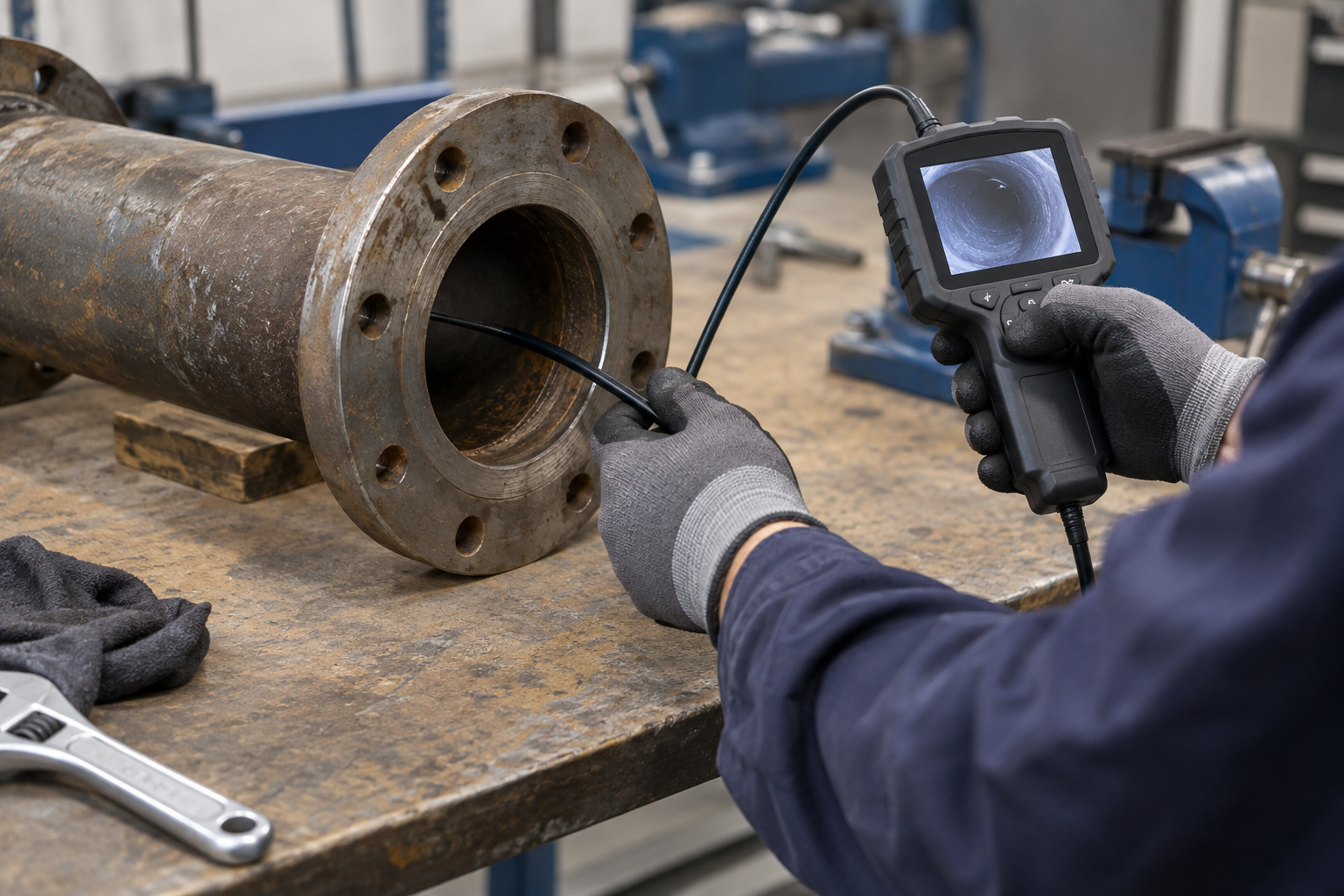
| Inspection | Is there current damage, old debris or a local restriction? | Safe visual/borescope/UT or qualified corrosion evidence, with chain of custody and location. | A single inspected spool is not the whole loop. |
| Correction verification | Did a controlled change improve the stated failure mode? | Pre-agreed trend, re-sampling plan, unchanged sample method and review window. | Never claim a universal outcome from a site-specific trial. |
From sample point to corrosion-control option
- Define the decision. Is the concern pipe failure, rust transport, copper carryover, boiler deposit risk, return loss or a changed trend? Name it before testing so results can be compared to a usable question.
- Make a physical map. Mark steam sources, condensate users, trap stations, receiver, return headers, vacuum equipment, makeup, material changes and sample points. Record whether each point is hot, flashing, exposed to air or contacted by a process.
- Use paired samples. A sample at the receiver is more useful when paired with upstream locations and consistent method/time/temperature notes. Analyze only parameters justified by the hypothesis and laboratory method; do not ask a field test to identify a corrosion mechanism it cannot resolve.
- Separate source from transport. Iron may be produced at one area and carried to another. Copper can be released from a localized alloy component. A rise after shutdown may represent mobilized existing oxide. Time series and location differences matter.
- Test corrections as controlled changes. A neutralizing or filming amine, deaeration improvement, leak repair, trap repair, condensate segregation or contamination control may be relevant only after the evidence is reviewed. Establish a baseline, approved documents, monitoring method and stop/review conditions.
What to share for an amine recommendation
| Item | Why it matters | When this applies |
|---|---|---|
| Condensate route, equipment and material map | Links metal results to potential sources and exposure conditions. | Must be kept current after repairs or rerouting. |
| Sample table: point, time, temperature and method | Allows trends to be compared instead of mixing incompatible results. | One receiver sample cannot locate the source. |
| Iron/copper/pH plus selected supporting chemistry | Tests a stated hypothesis about acidification, oxygen, alloys or contamination. | None is a stand-alone corrosion-rate measurement. |
| Inspection, maintenance and process-contact history | Explains shutdown, leak, trap, air-entry or process-upset context. | Do not attribute a mechanism without evidence. |
| Current treatment documents and change record | Supports safe identity/compatibility and controlled evaluation. | A TDS, COA or SDS is not a performance guarantee. |
Use the boiler-water treatment application and amine selection guide to compare options for the return system you mapped. The morpholine product page provides grade information; share your pH, iron/copper trends and return configuration for a relevant recommendation.
Frequently asked questions
What does high iron in boiler condensate mean?
It can indicate active corrosion, transported historical oxide, upstream solids or contamination. Compare paired locations, pH, temperature, material map, operating history and inspection evidence before assigning a source or changing treatment.
Can low condensate pH prove carbon-dioxide corrosion?
No. Carbon dioxide is an important low-pH mechanism, but sample method, temperature, air exposure, contamination, route and materials must be considered. A low value is evidence to investigate, not a complete diagnosis.
Why test copper in a condensate corrosion investigation?
Where copper alloys exist, copper can help localize alloy-related corrosion or contamination questions. It must be interpreted with material inventory, ammonia/contaminant context where relevant, pH, oxygen conditions and sample location.
Should a condensate amine be changed when iron rises?
Do not change treatment only from one iron result. First locate the source and review pH, materials, route, gas-entry opportunities, process contamination, inspection and current document/feed records; then use a controlled site-specific change plan.
What samples are needed to troubleshoot condensate corrosion?
Use a route-based plan: representative points near key steam users, return headers and receiver, with time, temperature and method recorded. Pair metals and pH with supporting parameters justified by the actual hypothesis and laboratory procedure.
About this guide
Prepared by the VCYCLETECH Technical Team. Compare product options with your own water, equipment and operating goals; use current grade documents and a representative trial to confirm the final choice.
Sources
- Veolia Water Handbook: iron, copper, pH and contaminant boundaries in condensate corrosion
- Veolia Water Handbook: feedwater/condensate corrosion context and boundary examples
- U.S. DOE/CIBO steam handbook: oxygen, carbon dioxide and condensate-system context
- U.S. DOE: boiler chemistry, condensate-return and inspection practices