Coagulant Cost Comparison: Delivered Quotes and Plant Trials
Compare coagulant costs in two stages: first make the delivered quotations and analytical bases comparable, then compare the cost of treatment at a representative plant trial. A price per tonne, an Al2O3 percentage or a clear jar cannot answer both questions. PAC, alum and iron-based coagulants can have different reaction, alkalinity and separation requirements, even after their assay figures are normalized.
TL;DR Use a current dated offer for the exact grade, form, quantity, packaging and destination. Keep Al2O3, elemental aluminium, iron and salt-content bases separate. Calculate a comparable product/active cost, then include the actual product dose, pH correction, sludge handling and separator response before choosing the next commercial trial.
Start with a comparable delivered offer
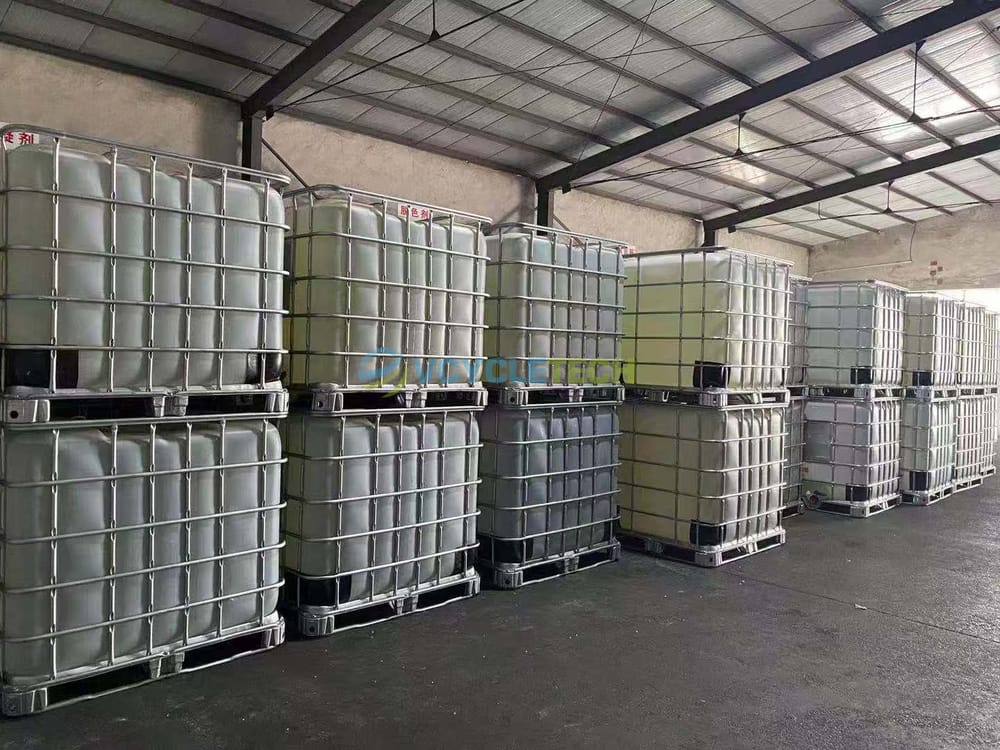
Write down exactly what each price covers. An ex-works, FOB, CFR or delivered offer can allocate transport, handling and other responsibilities differently. Use the named place and agreed commercial terms, quote date and validity period rather than treating an incoterm abbreviation as a complete landed-cost calculation. Keep currency, net product mass, packaging, destination and the party responsible for each remaining cost in the comparison.
Identify the product and supplied form before opening a price spreadsheet. A powder requiring make-down and a liquid ready for a particular feed system have different preparation, storage and logistics needs. The chemical family alone does not establish that their composition, basicity, impurity limits or performance are identical. Ask for the exact grade and measurement basis that will appear on the order.
| Field | Keep with the offer | Purpose |
|---|---|---|
| Commercial basis | Quote date/validity, currency, named destination, quantity and delivery terms | Separates a delivered comparison from an incomplete freight or handling estimate. |
| Supplied product | Exact identity, grade, liquid/powder form, concentration and packaging | Prevents comparison of different products under one family name. |
| Assay and method | Al2O3, Al, Fe or salt basis; moisture/dilution and method where relevant | Makes the denominator visible before price normalization. |
| Plant result | Actual product-mass dose, preparation, water, mixing and real separator | Links chemical cost to a reproducible treatment comparison. |
| Additional costs | Relevant pH adjustment, polymer, preparation and solids handling | Keeps an apparently cheaper drum from hiding process costs. |
Normalize the assay without confusing the chemistry
Aluminium coagulants may be specified as Al2O3 or elemental aluminium; iron products may use elemental iron, an oxide basis or the salt itself. These are different denominators. Do not put them in one active-content column and compare the resulting numbers directly. If a conversion is needed, use the exact chemical and analytical basis, with the method and form stated beside the value.
For PAC, basicity describes the extent of pre-hydrolysis. It is useful formulation and process information, not a universal ranking of product quality. Compare its definition and test method with the water's pH and alkalinity and the intended treatment step. A higher-basicity product is not automatically the best candidate for every contaminant, temperature or separator. Preserve the actual grade and its supporting trial results when comparing suppliers.
Keep product cost and treatment cost as separate calculations
Let P be the comparable delivered price in currency per kilogram of supplied product, and A the stated assay expressed as a mass fraction on one agreed basis. Then P/A is the cost per kilogram on that assay basis. This calculation is useful for checking an offer, but it does not measure how much product the plant will need or whether it will meet the receiving-process requirements.
If D is the representative dose in milligrams per litre of supplied product, the chemical cost per cubic metre is P × D / 1000. The divisor follows the unit conversion: one milligram per litre is one gram per cubic metre. If the laboratory result is expressed as active material instead, first convert it to supplied-product mass using the actual assay basis. Keep stock dilution, solution density and pump calibration separate from this mass calculation.
Do not multiply an active-normalized price by a product-mass dose without converting the basis. Likewise, a dose reported for a prepared solution is not the same as a dose of the original powder. Record the sample identity, preparation and units so another engineer can reproduce the calculation. No illustrative market price or universal dose is needed to use this method.
| Symbol/calculation | Meaning | Boundary |
|---|---|---|
| P | Delivered currency/kg supplied product | Use the same cost boundary and currency. |
| A | Assay mass fraction on one agreed basis | Do not mix elemental, oxide and salt denominators. |
| D | mg/L supplied product in the representative comparison | Convert prepared-solution or active doses before using this column. |
| P / A | Currency/kg on the stated assay basis | A quotation check, not proof of treatment equivalence. |
| P × D / 1000 | Chemical currency/m³ treated | Excludes other operating costs unless explicitly added. |
Use a representative separation result to compare treatment cost
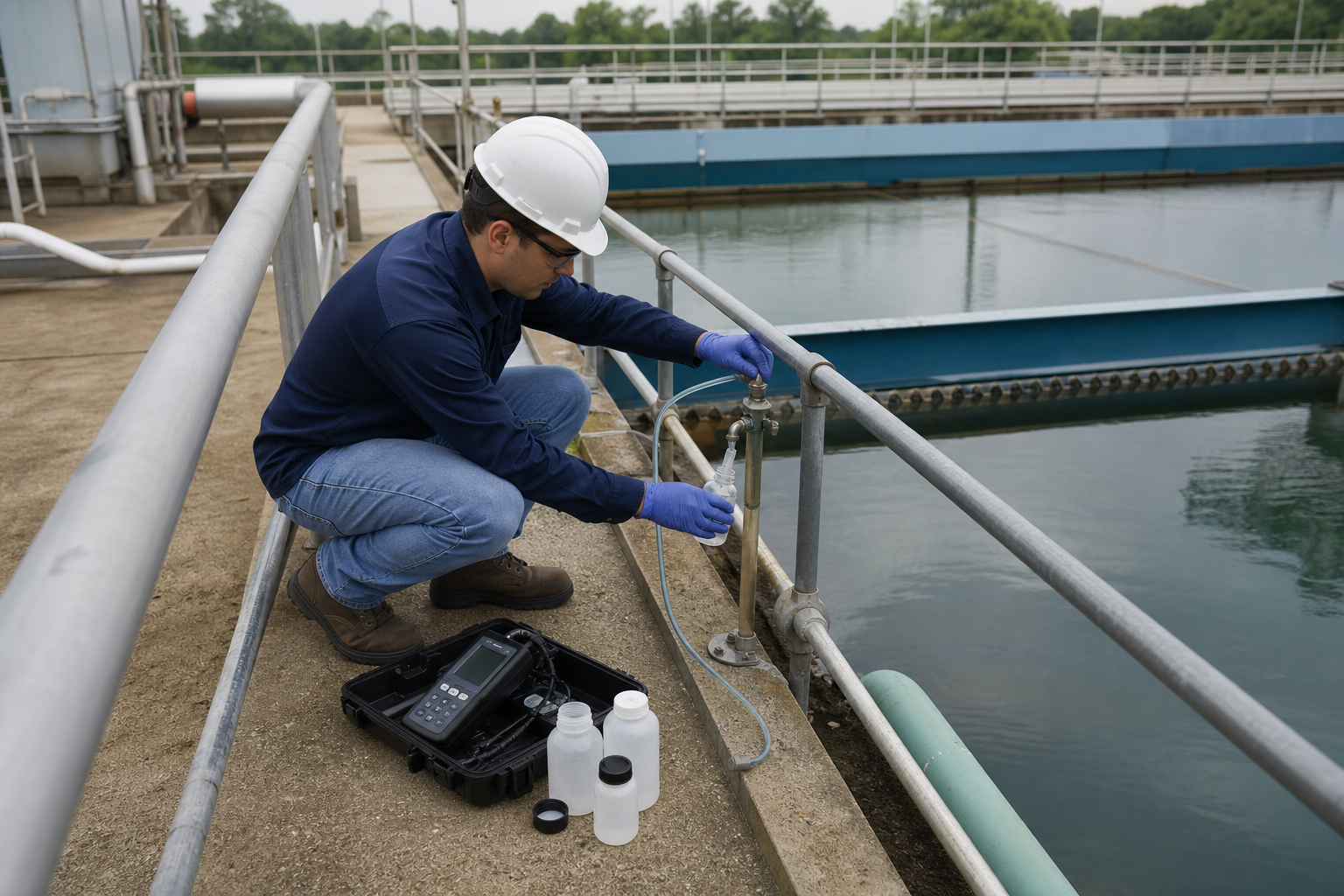
Run the comparison on water or sludge that represents the actual feed and its variability. Retain the sampling location and time, pH, alkalinity, salts, solids and relevant contaminants. Agree preparation, rapid mixing, chemical sequence, flocculation shear and residence before comparing grades. If a polymer assists separation, identify it separately from the coagulant reaction rather than assigning all improvement to one product.
Match the endpoint to the plant. A settling test, flotation test, filter assessment and mechanical-dewatering trial answer different questions. Compare liquid quality with captured solids, float or sludge behavior, filtration and operating stability. Where phosphorus or residual metals matter, use the required analytical method and sample/filtration boundary. A visually clearer supernatant does not define the complete acceptance result.
Use the measured candidate demand and relevant operating costs to build a treatment-cost range. Include pH correction where required, polymer preparation and use, make-down water/energy, sludge or float handling, filtration and equipment constraints. Avoid claiming a saving from one favourable bottle or from a supplier's headline dose. A continuous or plant comparison should cover the variability and response times relevant to the proposed change.
Connect the offer, sample and batch documents
A TDS describes the offered grade and its reference specification. An SDS addresses hazards and handling for the supplied product and jurisdiction. A batch COA records the measurements reported for that lot. Confirm the product/grade name, document version, analytical basis and batch identity, and agree the acceptance requirements that matter to the application. A company management-system certificate serves a different purpose from a product or batch document.
For potable-water use, identify the destination's applicable authority, utility specification and product-approval requirements. NSF describes drinking-water chemical requirements as varying between countries and, in some cases, locally. Where NSF/ANSI/CAN 60 or another scheme is specified, check the exact current product listing, grade and conditions required by the purchaser or authority. This website's company ISO certificates are not a claim that every listed chemical has a potable-water product certification.
Confirm document and sample availability in the particular offer; do not assume that a historical catalog table is a current lot result. If the required assay or intended-use document is missing, keep that item unresolved while comparing the other commercial and process information. The next action may be a clearer specification or a representative sample, rather than a larger initial order.
Choose the next action from the uncertainty
If only freight or packaging is unclear, align the commercial terms before repeating laboratory work. If two assay figures use different bases, resolve the analytical comparison first. If chemistry and grade are clear but the treatment result varies, examine the feed, mixing, separation and operating history. If an approval is required for the intended use, confirm that requirement and the actual offered-grade evidence before supply is treated as acceptable for that duty.
Bring the exact product or unresolved application question to the enquiry. Include required specification, quantity and unit, packaging, destination and the documents requested by your quality team. Add representative trial observations when available. VCYCLETECH's catalog provides actual PAC, aluminium sulphate, PFS and PAM enquiry routes; an external discussion of ferric chloride or another coagulant does not create an unlisted supply SKU.
- Identify the exact grade, form and delivered offer
- Align assay, preparation and dose units
- Compare the actual feed, sequence and separator
- Include the relevant operating and solids-handling costs
- Agree the supported next trial or supply specification
Products, application and the next enquiry
PAC · Aluminium sulphate · PFS · PAM
Define the receiving process through the mining, municipal and industrial separation application, compare the actual coagulant/flocculant catalog, and use the feed, sequence and separator brief when the chemistry question is still open.
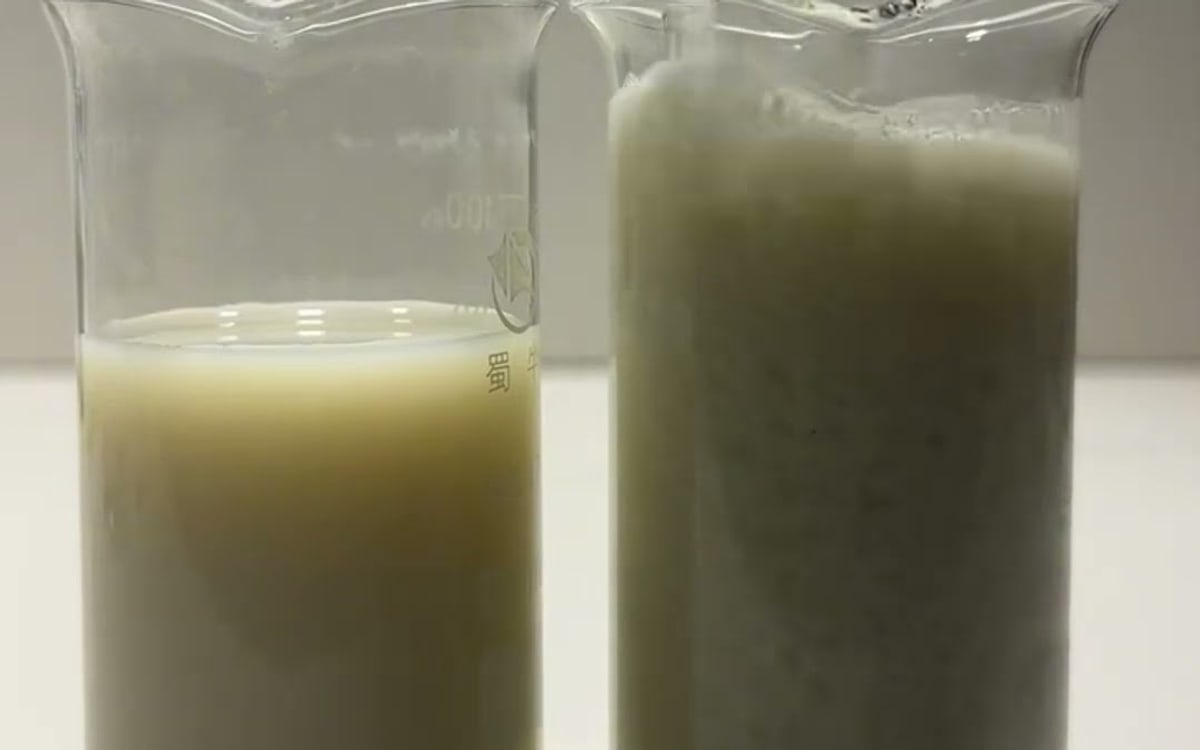
Watch the PAC–PAM oily-water demonstration as matrix-specific visual context, rather than a guaranteed result for another feed.
Request a coagulant quotation · Discuss the product documents needed
Frequently asked questions
How should I compare PAC prices per tonne?
First align the delivered terms, grade, form and stated Al2O3 or other assay basis. Use a common product/active-cost calculation, then compare treatment cost at the representative product dose with relevant preparation, pH correction, separation and sludge-handling costs.
Does higher PAC basicity always mean a lower treatment cost?
No. Basicity is useful pre-hydrolysis information, but the water, contaminant, preparation, mixing and separator determine the actual result. Compare defined grades under representative conditions rather than ranking them by basicity alone.
Can liquid and powder coagulants be compared on the same active basis?
They can be normalized on a clearly stated analytical basis for a quotation check. Also compare composition, preparation, storage, feed equipment and the actual treatment result; an equal assay does not establish that two offered products are interchangeable.
Which product approval should a potable-water enquiry request?
Identify the destination's authority and purchaser requirements for the exact intended use. Where NSF/ANSI/CAN 60 or another approval scheme is specified, confirm the current offered-grade listing and applicable conditions. Company ISO certificates have a separate management-system scope.
What should a useful coagulant quotation request include?
Send the exact product or application question, required specification and analytical basis, quantity and unit, packaging, destination and document requirements. Include relevant water/sludge, separator and trial observations when available; current sample, batch-document and delivery terms are confirmed for the actual offer.