
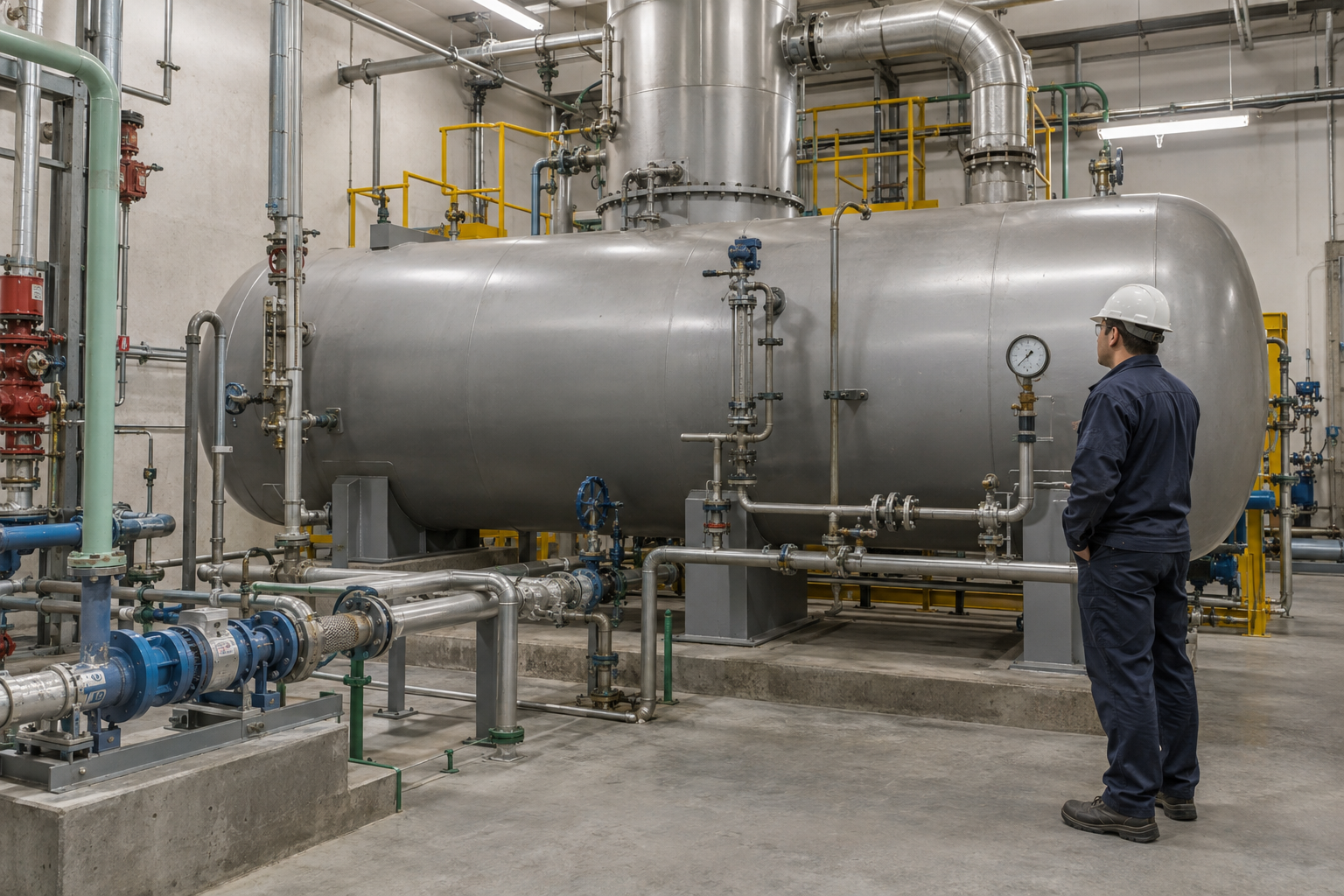
Boiler Deaerator Dissolved Oxygen: Find the Cause Before More Scavenger
TL;DR When boiler feedwater dissolved oxygen rises, first check the deaerator and the sample, then decide whether the scavenger program needs a change. Use a cooled, representative sample and a method compatible with the chemicals already in the water. Compare deaerator pressure and temperature, venting, steam supply, makeup and condensate return conditions. An air leak or poor stripping can raise oxygen demand even when the chemical feed pump is working. Once the mechanical and sampling causes are understood, compare the remaining oxygen and scavenger residual with the site's operating targets before choosing a product or feed adjustment.
Why feedwater oxygen rises after deaeration
This page is for a boiler team that sees rising dissolved oxygen, increased scavenger use, pitting concern or variable feedwater quality and needs a repeatable investigation path. It is deliberately different from the site’s oxygen-scavenger comparison: that page compares chemistry families, while this one tests whether the deaerator and its operating boundary are doing their mechanical job. It is also different from boiler program design by pressure, which is a pre-selection guide rather than an upset investigation.
| Observed signal | Hypotheses to check | Check that separates them | Best next decision |
|---|---|---|---|
| Elevated dissolved oxygen at deaerator outlet | Sampling interference, changed incoming-gas load, pressure/temperature departure, inadequate venting, distribution or internal mechanical condition. | Method record, sample point, scavenger state, paired temperature/pressure, load and vent observations. | That a particular scavenger is unsuitable or the vessel has failed. |
| Rising scavenger consumption or residual instability | Actual oxygen load, feed-pump/calibration issue, feed-point residence time, product/formulation change or deaerator performance issue. | Feed verification, lot/document identity, trend with load and a controlled oxygen check. | That more chemical is a permanent correction. |
| Visible vent plume or changed vent behavior | Normal stripping, excess steam loss, restriction, altered pressure or condensate/vent-condenser issue. | Design/procedure review and qualified inspection; correlate with measured performance. | That plume appearance alone gives a correct vent setting. |
Check deaerator operation before changing scavenger feed
Thermal deaeration strips dissolved gases by heating feedwater and contacting it with steam; non-condensable gases must leave through controlled venting. The U.S. Department of Energy’s steam handbook describes the vent as necessary for removal of scrubbed gases and notes that a chemical scavenger should be stopped for a deaerator performance check when the approved test method calls for it. ASME PTC 12.3 is a performance-test code for residual dissolved oxygen and terminal temperature difference, including test methods up to 75 µg/L. These sources describe a measurement framework, not one global pass/fail setting for every boiler.
| Layer | Purpose | Useful observations | When this applies |
|---|---|---|---|
| Mechanical deaeration | Remove most dissolved oxygen and carbon dioxide before feedwater reaches the boiler. | Pressure/temperature relationship, representative outlet oxygen test, vent and internal-condition review. | Design, load, incoming water, steam supply and method affect interpretation. |
| Chemical scavenger | React with residual oxygen within its approved feed/residence-time boundary. | Current TDS/SDS/COA, pump/feed verification, agreed residual or other site procedure. | It cannot diagnose a vent, spray, tray or steam-supply problem by itself. |
| Corrosion monitoring | Find whether the wider feedwater/condensate system is being affected. | Iron/copper trends, inspection/coupon evidence and system history. | One dissolved-oxygen point does not quantify all corrosion mechanisms. |
Follow the oxygen path from sampling to feedwater
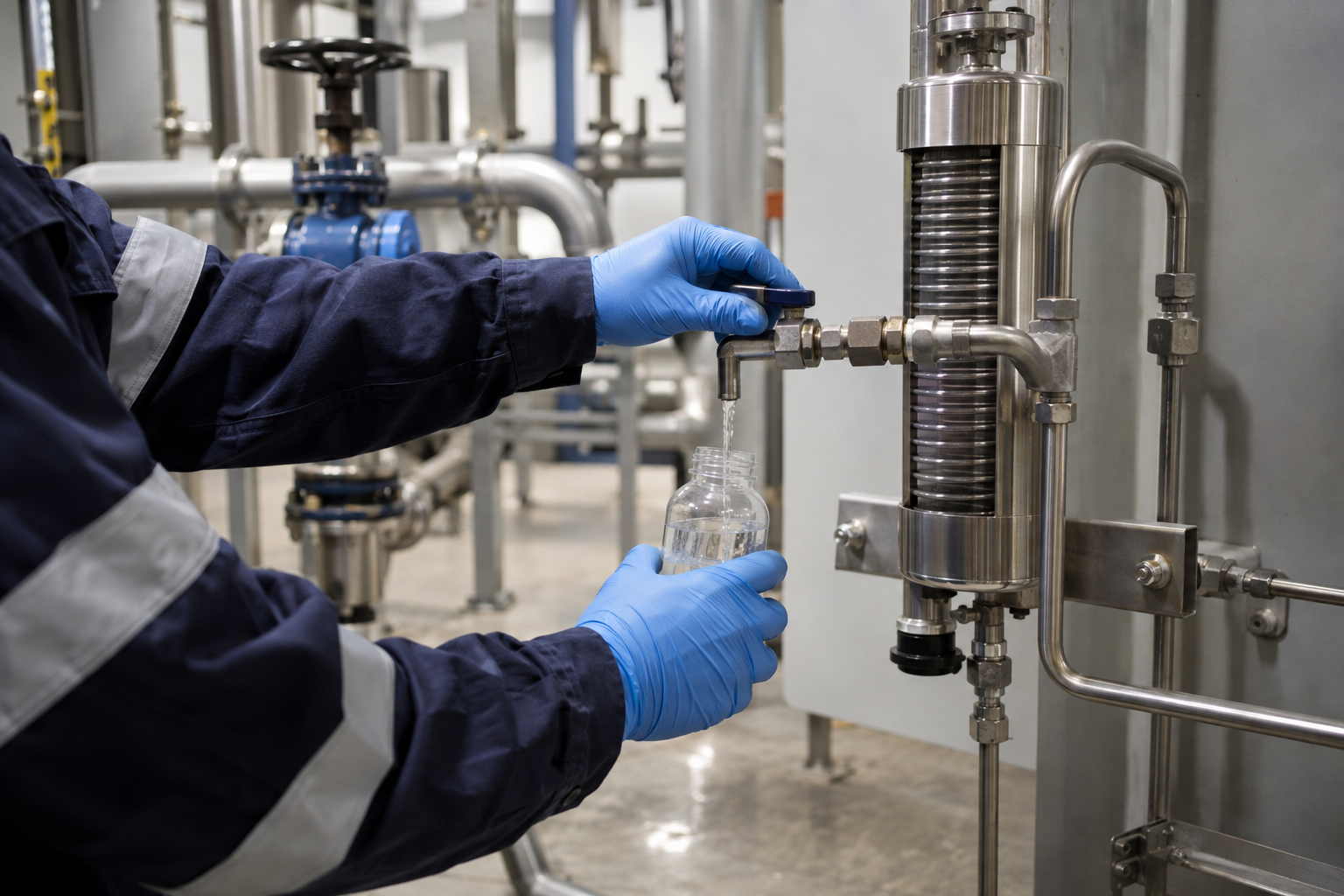
- Start with safety and the test method. Hot pressurized sample lines, steam and treatment chemicals require the site’s lockout, PPE and sampling procedures. Record the analytical method, detection range, preservation/time-to-test and exact sample point; a number without a method cannot support a root-cause claim.
- Prevent masking where applicable. A scavenger can react after sampling or interfere with a performance test. Follow the equipment supplier, chemical program and laboratory method—not this article—for whether and how it is isolated for a controlled test.
- Pair the sample with operating evidence. Log deaerator pressure, outlet temperature, makeup/condensate split, boiler demand, steam availability, vent condition, level control and recent shutdown/startup or water-source changes.
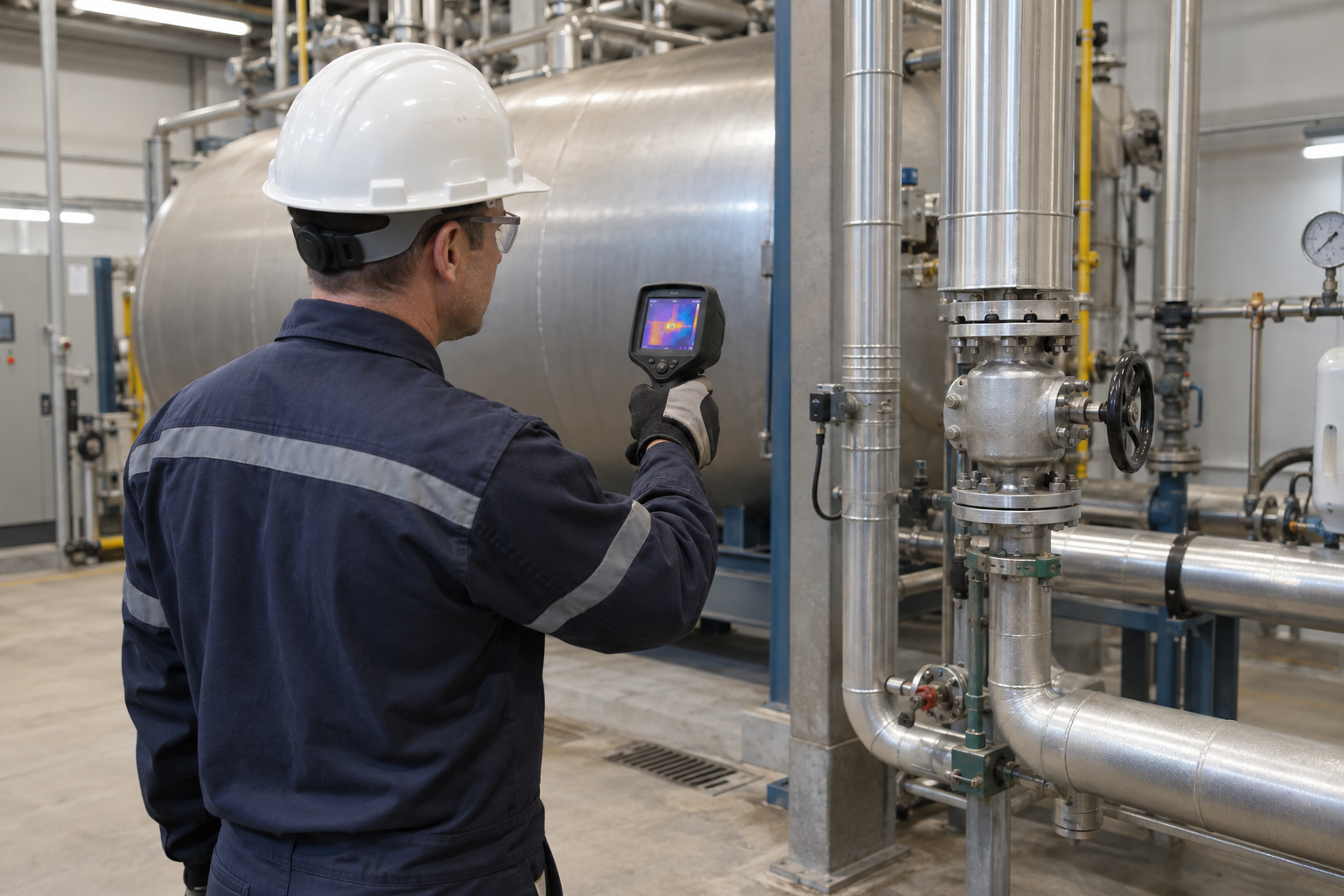
- Check the mechanical boundary before increasing feed. A qualified inspection may review vent path, pressure control, spray/tray distribution, steam inlet, level, inlet temperature and leaks. Do not open equipment or change a vent under pressure without approved procedures.
- Only then verify feed equipment. Confirm product identity against current documents, storage, pump calibration, injection location and residence time. A field dose is site-specific and must not be derived from a blog or a laboratory comparison.
What to share for a scavenger recommendation
| Retain | Why it is useful | Pair it with |
|---|---|---|
| Sample method, point, time and chain of custody | Shows whether oxygen findings can be compared across dates and conditions. | A verbal report that “oxygen was high.” |
| Pressure, temperature, load and water-balance trend | Places stripping performance in the actual operating envelope. | A single steady-state nameplate assumption. |
| Vent, steam-supply and mechanical-inspection record | Connects gas removal to equipment condition and operation. | Changing a chemical feed blindly. |
| Current scavenger TDS, SDS, COA and feed checks | Supports identity, safe handling and metering review. | A claim that product chemistry guarantees performance. |
Compare your feedwater oxygen trend and deaerator operating data with the boiler-water treatment application. Once the mechanical cause is clear, use the scavenger comparison and current carbohydrazide grade information to discuss a treatment option.
Frequently asked questions
What causes high dissolved oxygen after a deaerator?
Possible causes include sampling/method issues, changed incoming gas load, pressure or temperature departure, inadequate venting, steam or level-control problems, internal distribution condition, air ingress and chemical-feed issues. A controlled investigation is needed to distinguish them.
Should an oxygen scavenger be increased when deaerator oxygen rises?
Only under the approved site procedure and after immediate safety review. Extra scavenger may manage residual oxygen temporarily, but it is not proof that mechanical stripping, venting, sampling or feed equipment has been corrected.
How is deaerator performance tested?
Use the applicable equipment, site and qualified laboratory procedure. ASME PTC 12.3 addresses residual dissolved oxygen and temperature-difference performance testing; sample method, operating state and scavenger-interference controls matter.
Is a visible deaerator vent plume a performance test?
No. A plume is an operating observation. It does not establish the correct vent rate, oxygen removal, steam loss or a root cause without pressure, temperature, sample-method and equipment context.
What information should be sent for a deaerator troubleshooting review?
Provide sampling method and points, oxygen trend, pressure/temperature/load history, makeup and condensate-return changes, vent and maintenance observations, chemical TDS/SDS/COA, pump/feed checks and any corrosion evidence.
About this guide
Prepared by the VCYCLETECH Technical Team. Compare product options with your own water, equipment and operating goals; use current grade documents and a representative trial to confirm the final choice.