

DTPMP Scale Inhibitor: Uses, Dosage & Comparison
English source guide. This language route has not received a technical translation review.
TL;DR DTPMP, CAS 15827-60-8, is an amino-polyphosphonic acid considered for scale-control and formulation tasks. Compare the exact acid or sodium-salt grade against the water analysis, treatment ingredients and operating conditions. Choose trial inputs and an active-content basis before deciding a feed rate; the chemical family name is not a universal temperature, pH or compatibility specification.
What is DTPMP?
DTPMP is diethylenetriaminepenta(methylenephosphonic acid), an organic phosphonate with five phosphonic-acid groups. The acid and a specified sodium salt are distinct purchase descriptions. Compare the exact product code, neutralization state, concentration basis and physical form shown in the offered-grade documents. A chemical database establishes an identity; it does not certify a supplier batch.

How operating conditions change a DTPMP trial
Start with the scale species, water composition and the point where treatment is expected to act. Include pH, temperature, residence time, concentration changes, dissolved metals and other treatment ingredients in the trial record. Compare the candidate with the existing program under representative conditions. Obtain equipment and product-specific requirements for the proposed system rather than transferring a high-temperature claim from another formulation.
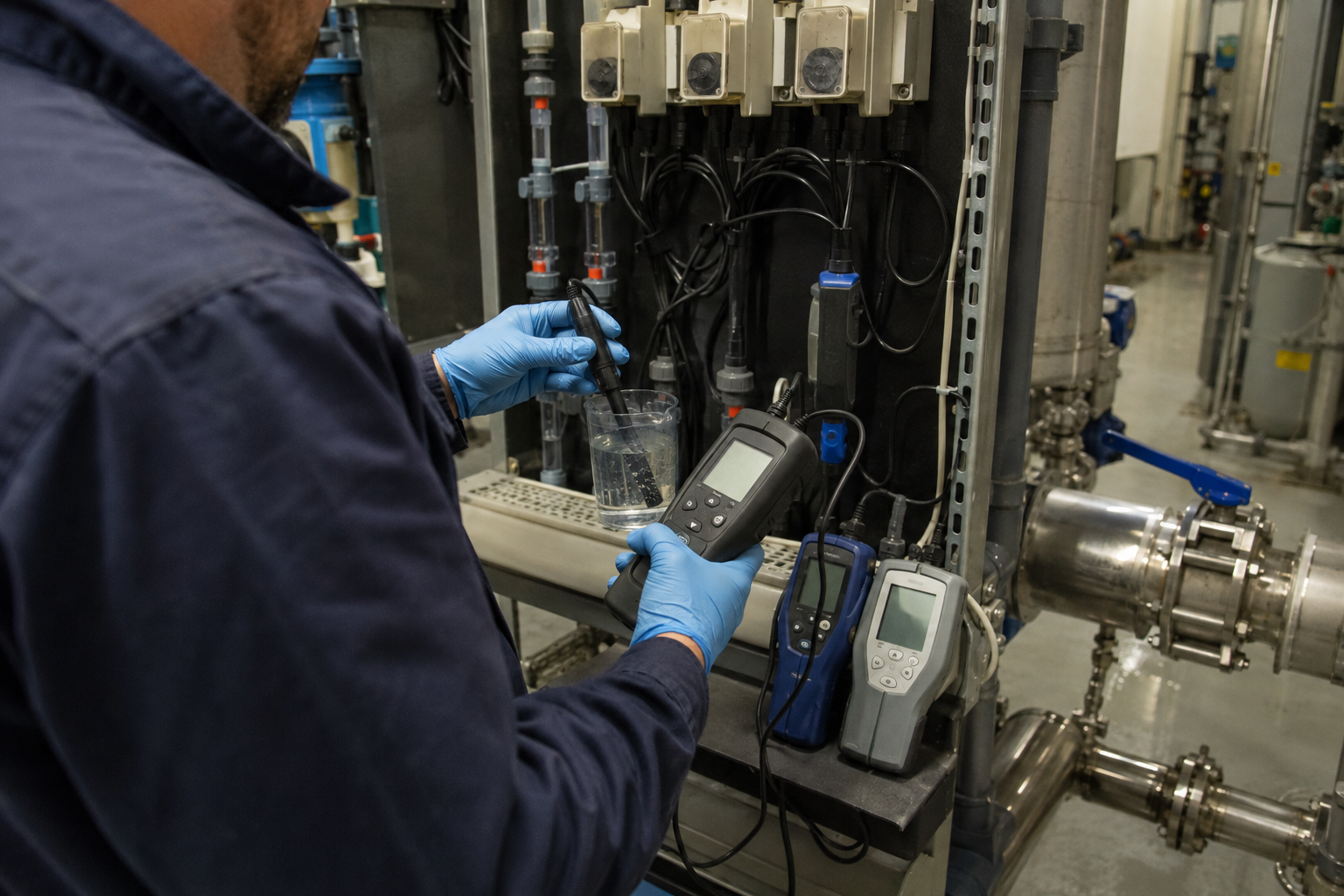
Applications of DTPMP
- Cooling water: define the deposit problem, water balance, metallurgy and existing treatment program before screening a candidate.
- Boiler water: identify the boiler and steam use, feedwater quality and current internal treatment; use the equipment requirements to scope a trial.
- Oilfield water: compare the actual source waters, mixing ratios, ion balance and location of scale formation.
- Other formulations: assess the exact ingredients and intended function with a formulation-specific test; an ingredient listing is not proof of compatibility.
DTPMP dosage
Build the dose trial around the exact active-content basis and the process flow, not a generic ppm range. Record product concentration, dilution, feed location, mixing and residence time; compare deposits, relevant corrosion evidence and operating stability with a baseline. Agree acceptance criteria and a staged operating trial before changing a working program. Use current grade instructions and equipment requirements for any feed change.
DTPMP vs ATMP, HEDP and PBTC
| Candidate | What to specify | What to compare in the trial |
|---|---|---|
| DTPMP | Acid or exact sodium salt; active-content basis | Response in the proposed water and treatment formulation |
| ATMP | Exact identity, grade and formulation role | Performance against the same deposit problem and acceptance criteria |
| HEDP | Acid or exact salt and concentration basis | Water chemistry, other ingredients and operating conditions |
| PBTC | Exact grade and proposed scale-control task | Representative water, exposure and monitoring conditions |
Watch

Frequently asked questions
What is DTPMP used for?
DTPMP is considered as a phosphonate ingredient for water-treatment scale control and related formulation tasks. Match the exact grade and application to the system requirements and a representative trial. The catalog route does not establish suitability for every boiler, membrane or oilfield condition.
What is the dosage of DTPMP in cooling water?
Determine the trial range from the current offered-grade instructions, active-content basis and actual water system. Include flow, concentration changes, feed location and baseline deposit or corrosion observations. Agree the operating acceptance criteria rather than adopting a universal ppm value.
Is DTPMP better than ATMP or HEDP?
Select among the candidates using the deposit problem, water chemistry, other ingredients, operating conditions and trial results. The number of phosphonic-acid groups alone is not a ranking of field performance or cost. Compare the same acceptance criteria and concentration basis.
What is the difference between DTPMP and DTPMP·Na?
DTPMP names the acid; DTPMP·Na is an incomplete description of a sodium-salt offering until the neutralization state and grade are specified. Check identity, active basis, pH and handling information. A neutralized form does not automatically establish safer handling, unchanged performance or compatibility with the feed equipment.
Is VCYCLETECH a DTPMP manufacturer?
VCYCLETECH offers a DTPMP product enquiry route. Confirm the proposed grade, supplying entity, source documents and order requirements with the commercial team. The company certification page is separate from the specification or test record for a particular DTPMP batch.
About the manufacturer
Use the DTPMP and sodium-salt product routes below to specify the material, intended system, quantity and destination. The VCYCLETECH team can discuss the proposed supply route and the documents required for that enquiry. Review the separate company certification information for its stated entity and scope; it is not a product performance certificate.
References
- PubChem: DTPMP identity and source records — identity reference, not an offered-grade performance specification.
Related: DTPMP product · DTPMP·Na · All phosphonates · ATMP vs HEDP