RO Membrane Cleaning: Acid & Alkaline Cleaners
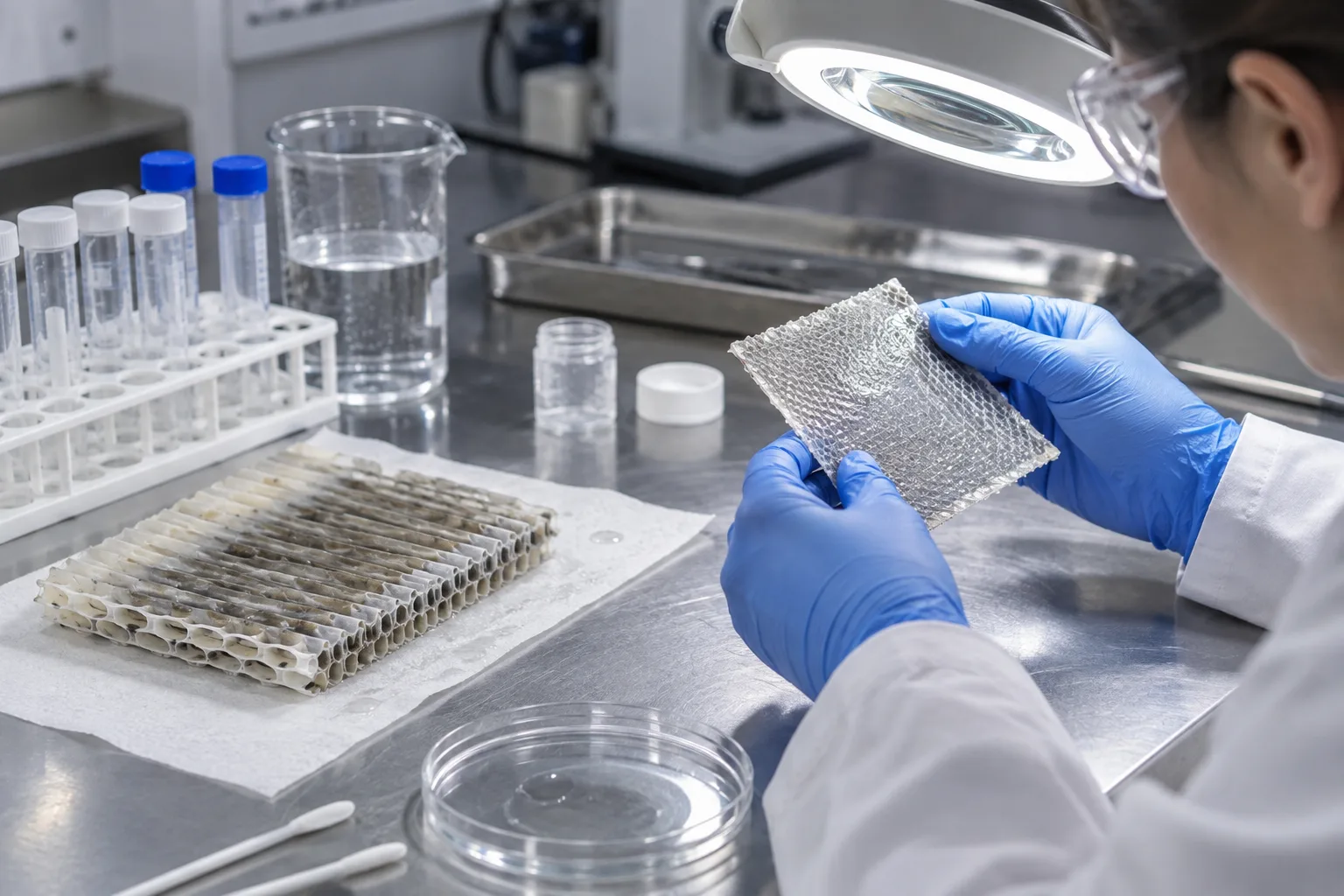
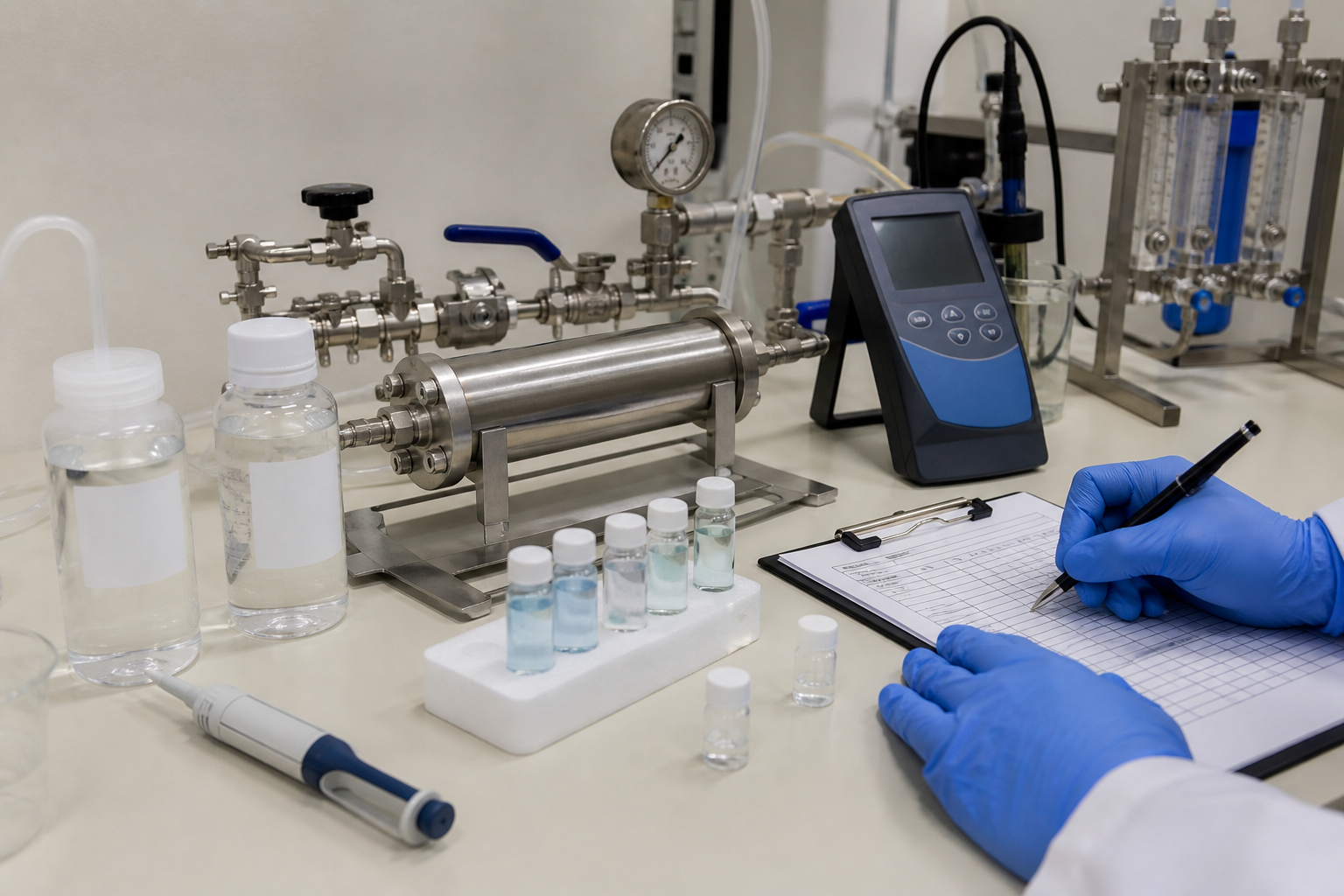
TL;DR Select an RO cleaning approach by the foulant and installed membrane, not by a fixed calendar. Compare normalized flow, differential pressure and salt passage, inspect a representative deposit where possible, and check the membrane manufacturer's current pH, temperature and chemical limits. Acid cleaners generally target some inorganic deposits, while alkaline cleaners are used for many organic or biological foulants. Follow the OEM-compatible cleaning sequence and measure recovery after the rinse; if fouling quickly returns, look upstream for the source.
Acid vs alkaline
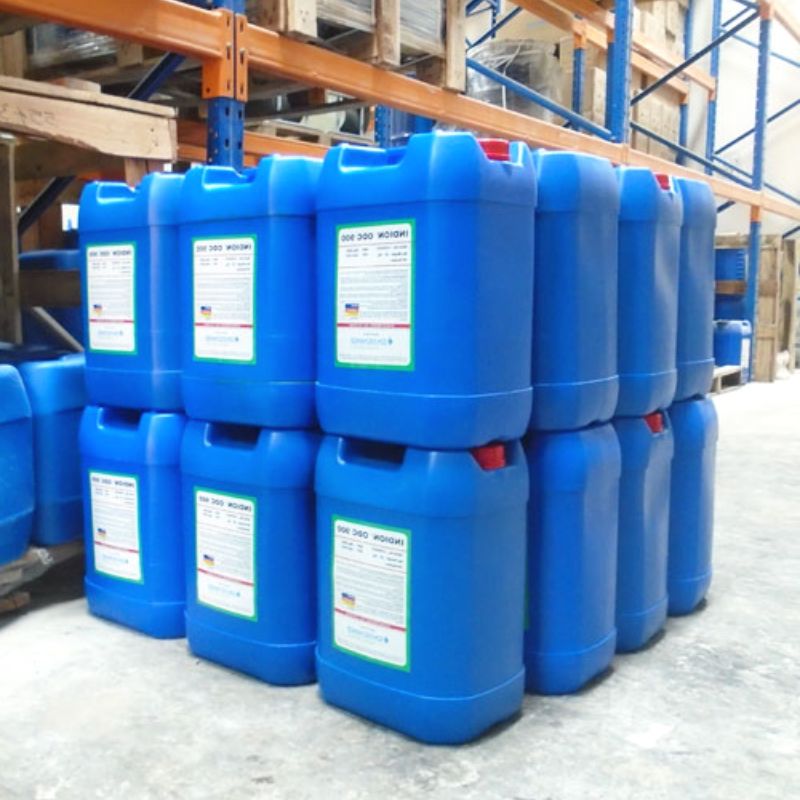
- Acid (low pH): WT-260 — carbonate scale, iron/metal oxides.
- Alkaline (high pH): WT-261 — organics, colloids, biofilm.
- Non-stop: WT-701 for online cleaning.
Follow with a biocide flush (DBNPA) where biofouling is present.
Watch

Frequently asked questions
How do you clean RO membranes?
Use a low-pH acid cleaner for scale/metals and a high-pH alkaline cleaner for organics/biofouling, typically alkaline first when both are present.
How often should RO membranes be cleaned?
Use the installed membrane supplier's normalized performance triggers and your plant's baseline. Record the foulant, feedwater change, clean-in-place conditions and post-clean recovery; a fixed calendar or universal percentage threshold can miss a developing problem.
About the manufacturer
VCYCLETECH is a China-based manufacturer of water treatment chemicals — antiscalants, scale & corrosion inhibitors, coagulants, flocculants, biocides, dispersants and paper chemicals — ISO 9001 / 14001 / 45001 certified, with current COA information on request and OEM/ODM service. See our quality & certifications.
Related: RO application · WT-260 · WT-261