Private-Label Water Treatment Chemicals: OEM Sample, COA & Packaging Workflow
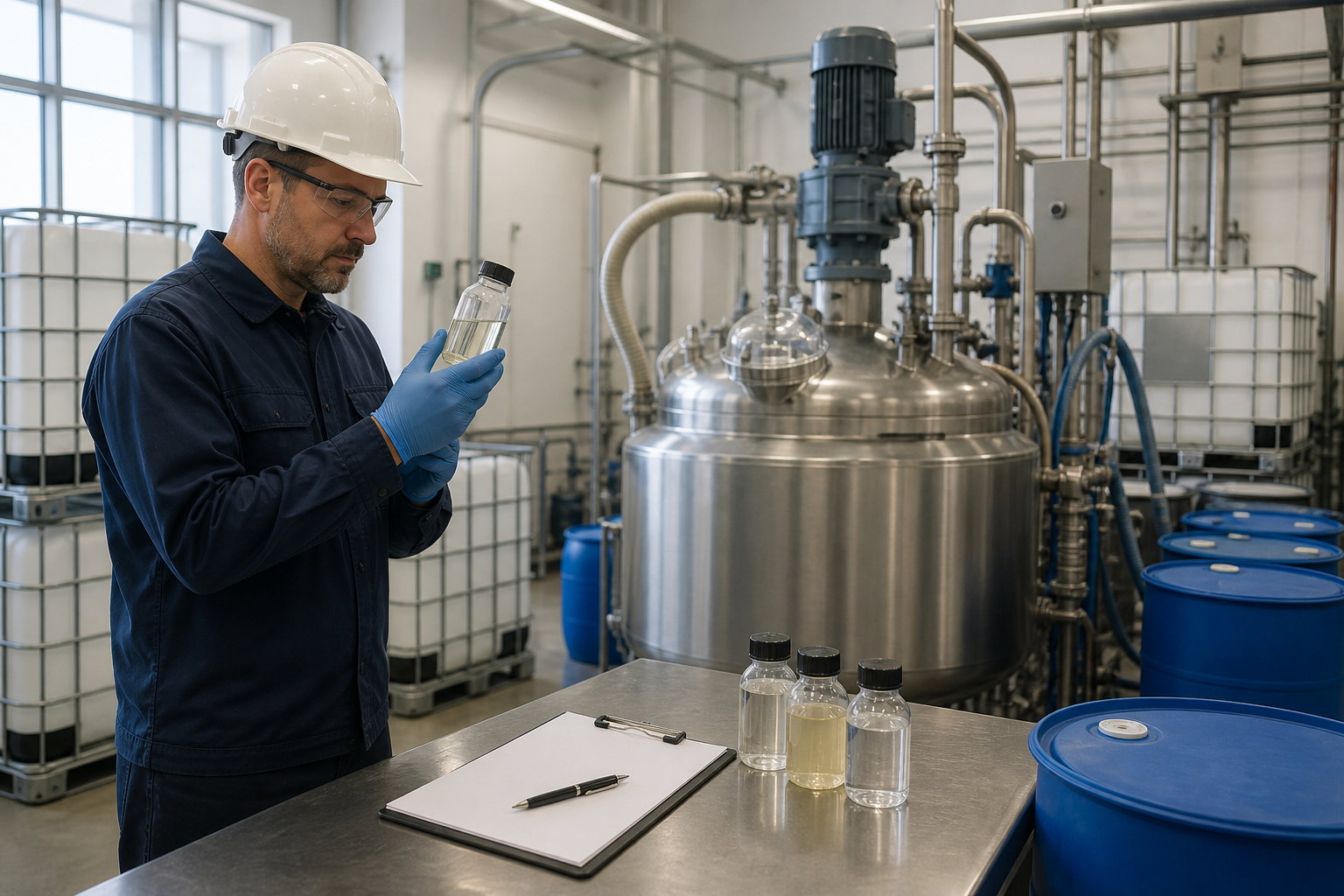
Private-label water treatment chemical sourcing is a controlled specification, sample, document, packaging and change-management workflow—not simply putting a buyer’s name on a drum. Start with the application and formulation envelope, approve a representative sample, review the COA/TDS/SDS and label, then define lot release and change-control rules. Market terminology varies, so write the deliverables into the supply agreement.
What private label and OEM mean in practice
In the water-treatment market, private label can mean an existing product sold under a distributor or service company’s brand, while OEM may imply a more customized formula, packaging or specification. The labels are not universal legal definitions. The buyer should specify the actual scope: formula ownership or non-ownership, target properties, documents, label language, packaging, territory, change notification and approval rights.
OEM brief: the information a supplier needs
| Brief section | Buyer should define | Approval evidence |
|---|---|---|
| Application | Water system, failure mode, injection point, flow, temperature, pH, recovery/cycles and target. | Signed application brief and representative water data. |
| Formulation envelope | Required active basis or functional performance, physical form, concentration range, compatibility and prohibited components. | Product specification with method and tolerance; do not invent a value that has not been tested. |
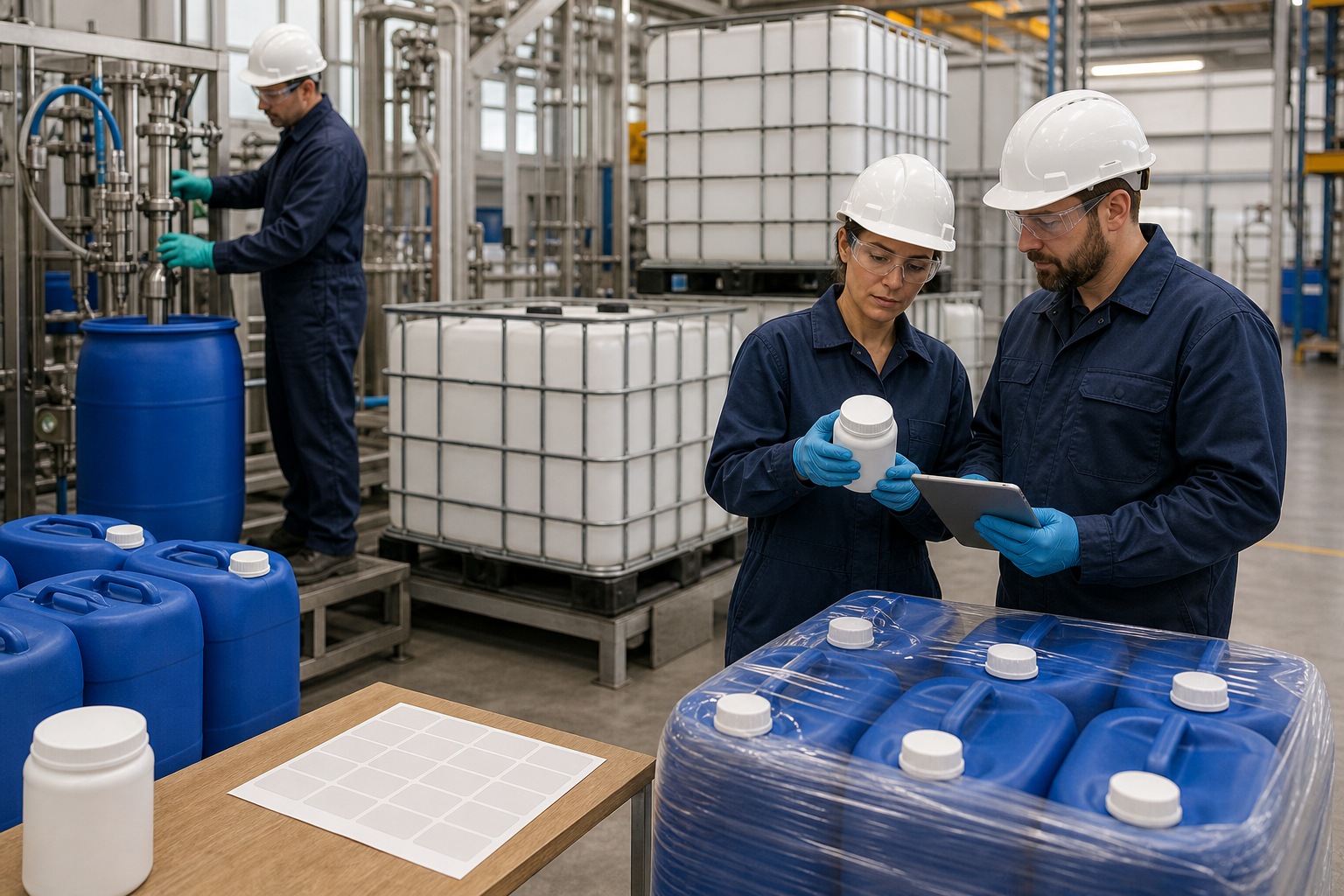
| Packaging and label | Container, closure, net quantity, pallet, label language, hazard statements, batch code and storage. | Approved artwork/proof, pack test and traceable lot coding. |
| Documents | TDS, SDS, COA, specification, transport information, regulatory-market requirements and revision control. | Document pack reviewed for the destination jurisdiction. |
| Acceptance | Sample quantity, test method, pilot window, pass/fail rule, shelf life and change notification. | Signed sample approval, release checklist and change-control clause. |
Standard product vs private label vs custom OEM
| Route | Typical input | Evidence to control | Main buyer risk |
|---|---|---|---|
| Standard product | Existing application and pack choice. | Current TDS, SDS, specification and lot COA. | Assuming a standard product fits a different water matrix without testing. |
| Private label | Existing or bounded formula plus brand, label and pack requirements. | Approved artwork, revision-controlled documents and lot traceability. | Brand consistency without controlling formula or document changes. |
| Custom OEM | Application brief, performance envelope, formulation constraints and forecast. | Sample protocol, analytical methods, specification, change control and release evidence. | Unclear ownership, unbounded claims, long approval cycles or unapproved substitutions. |
Private-label water treatment chemicals OEM workflow
- Write the brief. Include water chemistry, equipment, materials, operating envelope, target, destination and forecast; attach a representative sample where permitted.
- Review the proposal. Ask whether the offer is an existing formulation, a modified product or a new development. Record active basis, test methods and known limits.
- Approve the sample. Use a controlled sample ID, agreed test conditions, comparison product, acceptance rule and retention sample.
- Lock documents and packaging. Review the TDS, SDS, COA format, specification, label proof, container, closure, batch coding, pallet and storage.
- Release and change-control. Match each lot to release tests and define which raw-material, formulation, site, packaging or document changes require notice or re-approval.
COA, TDS and SDS: the document-control boundary
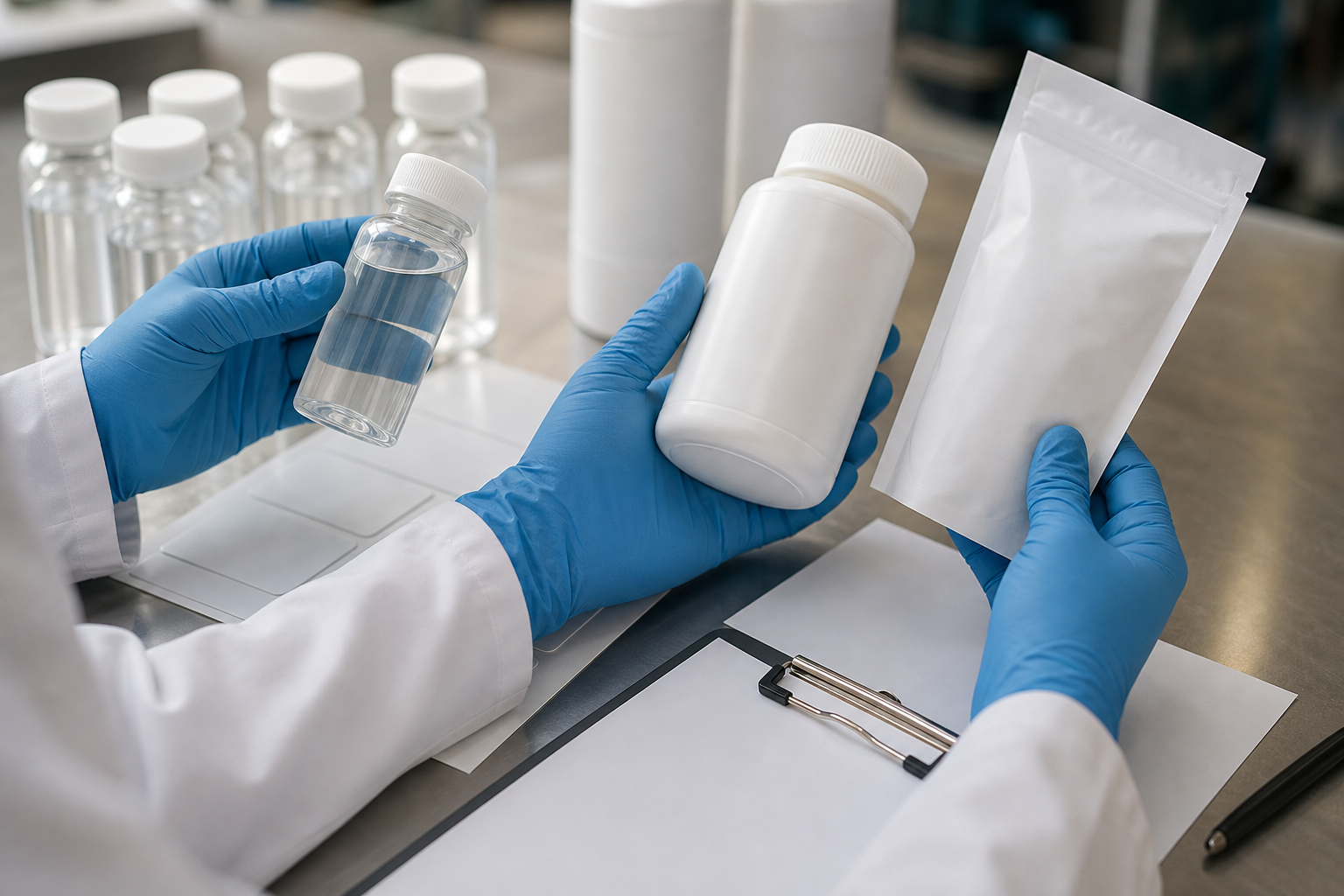
Request the COA against an identified lot and stated release tests. Use the TDS to understand intended properties, handling and application boundaries. Use the SDS for hazard communication, safe handling, exposure controls, storage, transport and disposal in the applicable market. ECHA notes that SDS information supports safe use under REACH, while OSHA requires a 16-section SDS framework for covered hazardous chemicals in the United States. A private label should not obscure the original classification, revision or safe-use information.
For market context, current industry reporting shows suppliers investing in regional capacity and consolidation as buyers manage access and supply resilience. That context can justify dual-sourcing and lot-traceability questions, but it does not prove any supplier’s capacity, lead time or certification.
Questions to put in the supply agreement
- Which formulation, specification revision and approved raw-material sources apply?
- What tests appear on the lot COA, and which are release limits versus typical values?
- Which changes require advance notice, sample re-approval or a new label/SDS/TDS revision?
- How are nonconforming lots, retained samples, complaints and traceability records handled?
- Who owns label artwork, formula data, customer data, regulatory review and market claims?
- What are the pack, closure, batch coding, storage, shelf-life and transport assumptions?
Use the water treatment chemicals manufacturer page as the inquiry route, check quality and document information, and organize the application by product family such as coagulants and flocculants, RO chemicals, or biocide and algicide solutions. A technical brief makes the conversation more useful than a private-label keyword alone.
Frequently asked questions
How does private-label water-treatment chemical sourcing work?
It normally moves from an application and packaging brief to a product or formulation proposal, representative sample, document and label review, pilot or customer acceptance, lot release and change control. The exact scope must be written into the supply agreement.
What should an OEM chemical brief include?
Include the water system and failure mode, flow and operating envelope, materials, target performance, formulation or active-basis requirements, prohibited components, packaging, label language, destination market, forecast, documents and sample acceptance criteria.
How do I approve an OEM chemical sample?
Use a controlled sample ID and agreed test method. Compare it with the current product or control in representative water, record dose and conditions, define a pass/fail rule, retain samples and approve the exact specification and document revisions that will govern production.
Is a private-label COA the same as a product guarantee?
To narrow the available grades, share the industry, water or process conditions, treatment objective, current program, required quantity, packaging and destination. Representative sample results are helpful when performance depends on site water chemistry.
What should change control cover for private-label chemicals?
Cover raw-material source, formulation, manufacturing site, process, packaging, label, SDS/TDS revision, test method, specification limits and any customer-facing claim. Define notice, sample re-approval and lot disposition rules before launch.
About the author and evidence
To narrow the available grades, share the industry, water or process conditions, treatment objective, current program, required quantity, packaging and destination. Representative sample results are helpful when performance depends on site water chemistry.
References
- WaterCareChem: market example of an OEM/private-label process
- B&V Water Treatment: own-label market example
- ECHA: safety data sheets and safe-use information
- WaterWorld: current supply-resilience market context
Related: Water treatment chemicals manufacturer · Quality and documentation · OEM inquiry